



Mythological Wood Carving
These mythological wood carving pieces bring classical deities, mythical beasts, and legendary scenes into domestic spaces through centuries of hand-cut detail.
Mythological Wood Carving
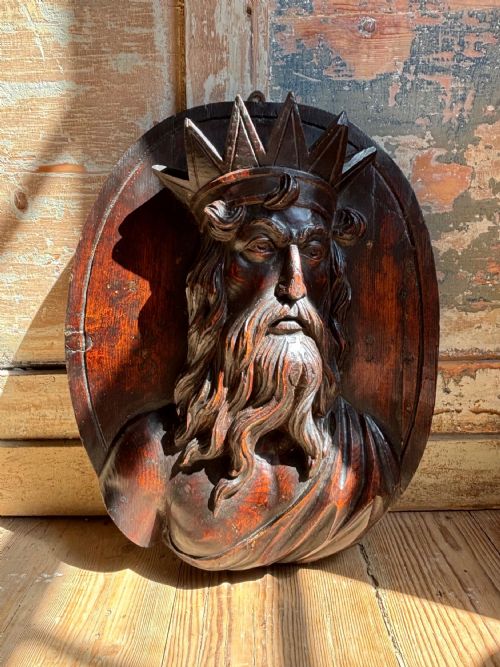
A mythological wood carving encompasses functional items and decorative panels portraying figures from classical, Eastern, and European folklore. Buyers searching for mythological wood carving will encounter wall mirrors, plaques, and sculptures produced across various centuries.
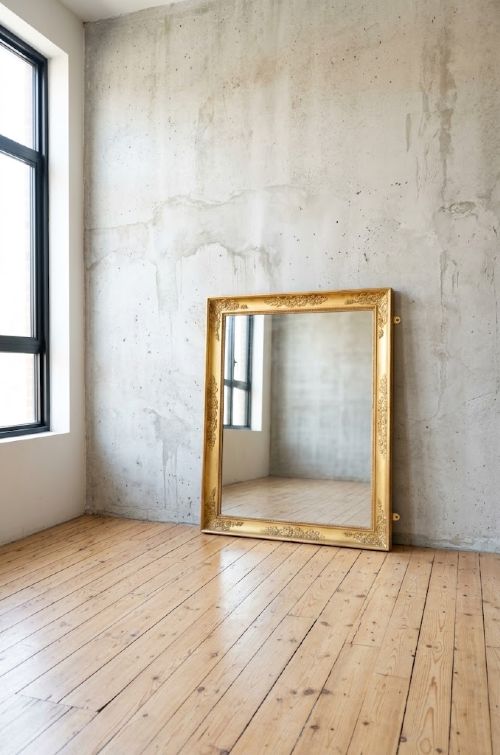
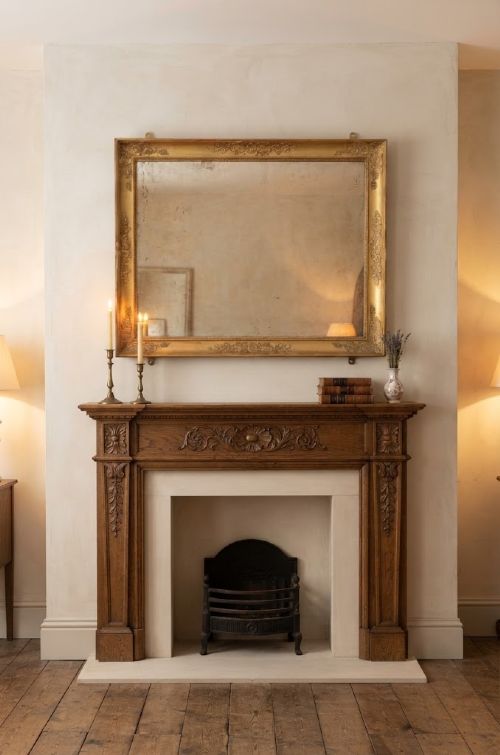
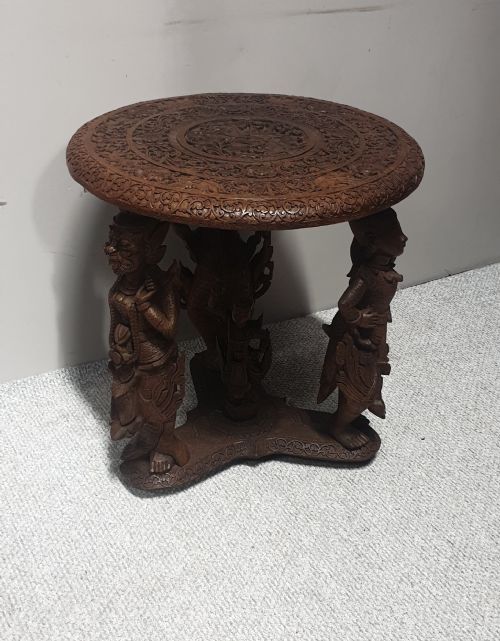
The selections available here range from eighteenth-century classical scenes and Italian walnut cabinets to nineteenth-century Burmese temple chairs and Balinese deity figures. Wall mirrors framed with floral and mythological motifs represent a frequent discovery on this page.
Regional styles span from French Napoleon and Restoration giltwood works to Arts and Crafts oak pieces and Indonesian hardwood carvings. Each item reflects the specific sculptural traditions and mythological narratives of its origin.
Materials and construction
Carvers shaped these pieces primarily from oak, walnut, teak, and dense regional hardwoods, utilising hand chisels to define intricate anatomical and decorative forms. Softer woods often received gesso and gold leaf layers to create opulent gilded surfaces on mirrors and panels.
Giltwood elements combine carved wooden bases with applied gold leaf, while specific mirrors incorporate glass plates held within deeply sculpted frames. Structural joinery supports heavier items such as cabinets and temple chairs alongside solid wood panels.
Current listings incorporate items from the eighteenth, nineteenth, and early twentieth centuries, fashioned in oak, teak, walnut, and giltwood.
Distinguishing quality in carving
The integrity of the underlying timber and the preservation of original giltwood or surface patination dictate the desirability of older pieces. Finer examples maintain their structural stability alongside untouched original carving surfaces.
The Mythological Wood Carving Glossary
- Giltwood
- Wood carved and then treated with gold leaf or metal leaf finishes. This technique frequently appears on decorative mirrors and wall panels from European periods.
- Gesso
- A plaster-like mixture applied to wood surfaces as a smooth base for gilding or painting. It allows intricate relief work to hold gold leaf evenly.
- Hardwood
- Dense timber derived from broad-leaved trees such as oak, walnut, and teak. These materials resist splitting and permit precise, enduring sculptural detail.
Mythological Wood Carving: Frequently Asked Questions
How do I date a carved wooden panel?
Dating relies on identifying the underlying wood species, tool marks left by the carver, and stylistic conventions of the period.
Examination of the backboards, joinery methods, and wear patterns also helps establish the age of older sculptural works.
How should I clean antique carved wood?
Dust surfaces gently using a soft, dry brush to remove particles from deep recesses without damaging the material.
Avoid liquid cleaners, harsh detergents, or modern polishes that can degrade historic wood finishes and delicate gilt layers.
Where should I place a wall mirror?
Hang these pieces on sturdy walls capable of supporting the combined weight of dense timber frames and glass.
Positioning them away from direct sunlight and dramatic temperature fluctuations protects the wood and gilt surfaces from cracking.
What is the difference between oak and hardwood?
Oak refers to a specific temperate timber widely used in European furniture and architectural carving for its strength.
Hardwood serves as a broader botanical classification encompassing many dense, slow-growing tree species utilised in regional Asian and European workshops.