
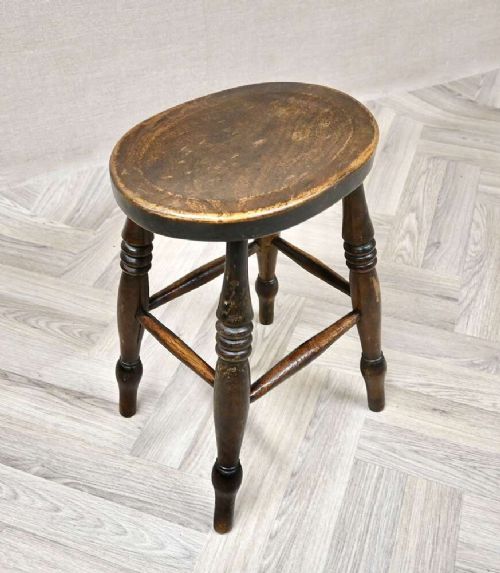



Oval Timber Carving
These oval timber carving examples range from wall mirrors to decorative panels, bringing warmth and detailed relief work into a room.
Oval Timber Carving
When you search for oval timber carving, you encounter a selection of items primarily focused on wall mirrors, carved plaques, and furniture frames spanning the eighteenth, nineteenth, and early twentieth centuries. The domestic function varies from wall decoration to seating and tables incorporating carved wooden elements.
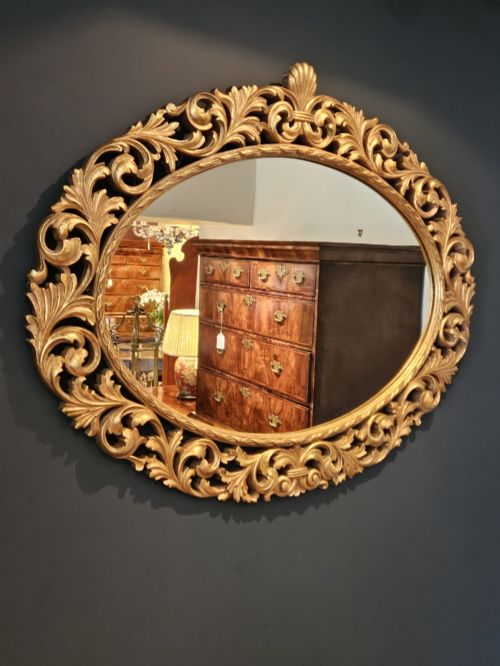
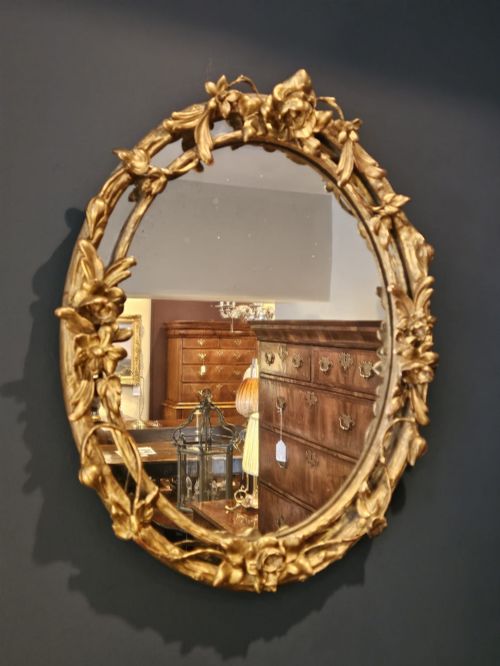
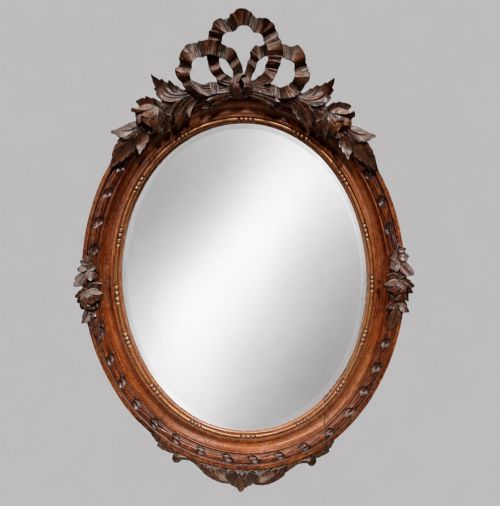
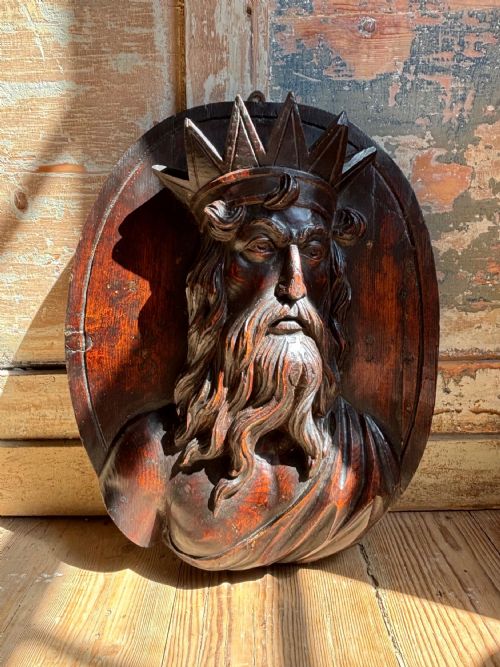
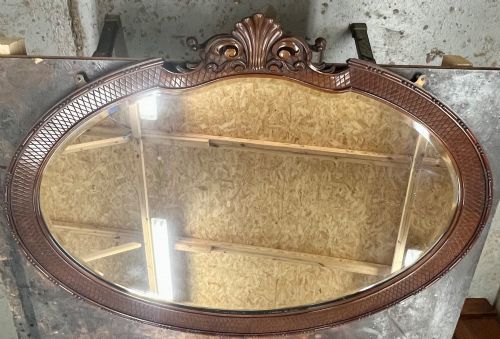
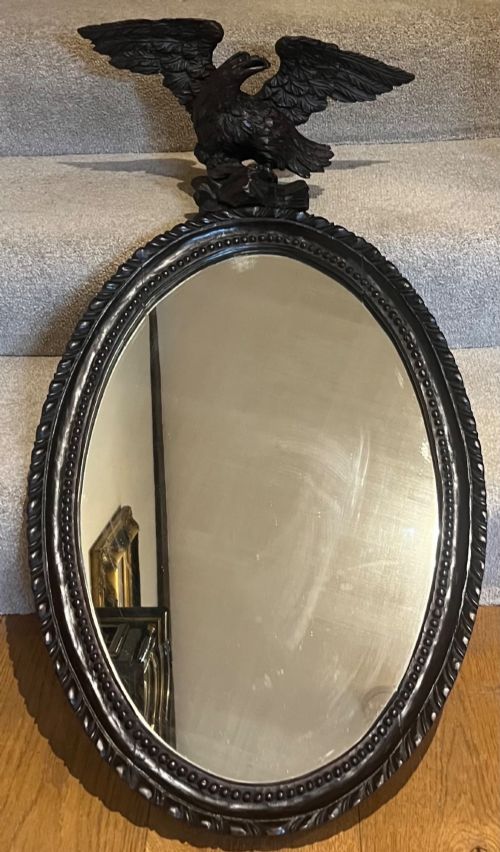
The most frequent items you meet on this page are wall mirrors framed in carved wood, often finished with gilt or left in the natural grain of walnut, mahogany, or rosewood. Alongside these hang larger pictorial reliefs and heraldic panels depicting figurative scenes such as Neptune.
Origin and period markers stretch from the Regency era through Victorian revival styles up to pieces dated around nineteen twenty. These objects reveal how artisans shaped native and exotic hardwoods into functional and decorative household articles over successive generations.
How they were made
Makers shaped these items using solid timbers such as mahogany, walnut, rosewood, and elm, relying on manual reduction and chisel work to establish depth. Surfaces often received gold leaf application over gesso layers or remained polished to highlight the natural figure of the wood.
Structural joinery supported the heavier carvings, particularly on large wall mirrors, side cabinets, and centre tables where stability was paramount. Artisans combined hand carving with turnery and applied mouldings to achieve the finished profile.
The listings show items spanning the eighteenth, nineteenth, and early twentieth centuries, utilising mahogany, walnut, rosewood, and applied gold leaf.
What varies in quality
The depth and crispness of the hand carving separate simpler production from superior examples, where undercut details and proportioned relief show the carver's command of the medium. Crisp edges on acanthus leaves, vines, or figurative elements indicate skilled execution.
Selection of timber grain and the integrity of the original surface finish, whether gilt leaf or polished walnut, influence the visual coherence of the piece. Well-preserved framing and solid joinery without excessive replacement parts anchor the better examples.
The Oval Timber Carving Glossary
- Gilt
- A thin layer of gold leaf applied to the carved wooden surface. This finish brightened dark interiors by reflecting candlelight or daylight.
- Burr walnut
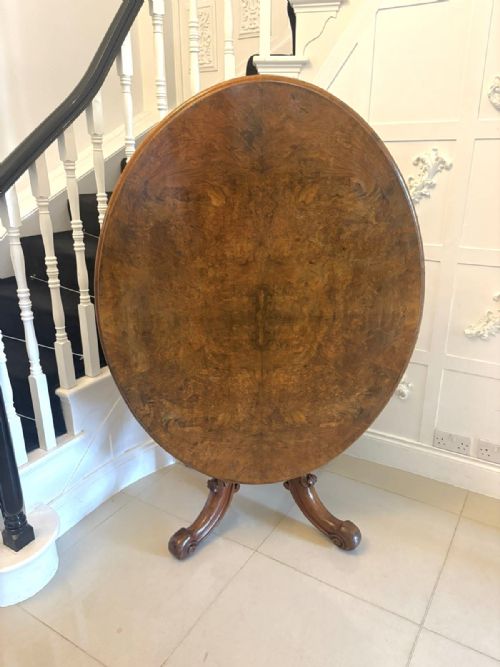
- A figured wood veneer taken from the excrescence on a walnut tree. It produces intricate swirling patterns prized on tabletops and mirror surrounds.
- Fauteuil
- An open armchair with upholstered back and seat and exposed wooden arms. French examples often display elaborate carved frames.
- Cheval mirror
- A freestanding full-length mirror hung in a frame that allows it to tilt. These incorporate robust timber supports and pivot mechanisms.
- Heraldic panel
- A carved wooden plaque displaying armorial bearings or crests. These served as decorative wall ornaments in country houses and public rooms.
Oval Timber Carving: Frequently Asked Questions
How do I clean a carved wooden frame?
Dust the carvings gently with a soft, dry brush to prevent dirt accumulation in the recesses. Avoid using liquid polishes that can build up and dull the timber or damage gilt surfaces.
For gilt frames, take extra care as moisture and friction can easily lift the gold leaf. Consult a professional conservator if the surface requires deeper cleaning or stabilization.
Where should I hang an oval timber mirror?
Position the mirror at eye level on a wall with balanced ambient light to showcase the carved details. Hallways, living rooms, and above mantelpieces provide traditional settings that complement the vertical or horizontal oval shape.
Ensure the wall fixings match the weight of the timber and mirror glass. Secure the hanging wire or brackets to wall studs for safety.
How do I identify the wood type?
Examine the grain pattern, colour, and density under good lighting. Mahogany displays a reddish-brown tone with fine pores, while walnut shows darker grain variations and burr patterns.
Compare the surface with known reference pieces from the same period. Consulting a specialist can confirm whether the timber is native or exotic.
Can these mirrors be used in bathrooms?
High humidity and fluctuating temperatures can damage historic timber and gilt finishes. It is best to keep these antique mirrors in dry living areas.
Moisture causes wood to warp and accelerates the deterioration of the backing and silvering on older glass plates.