


Wooden Wall Sculpture
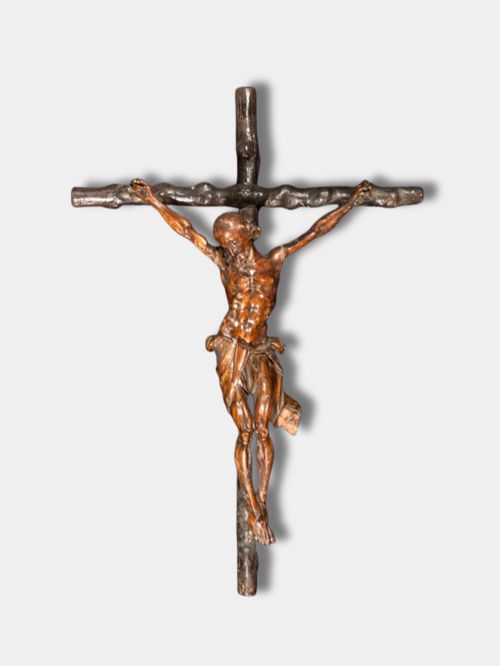
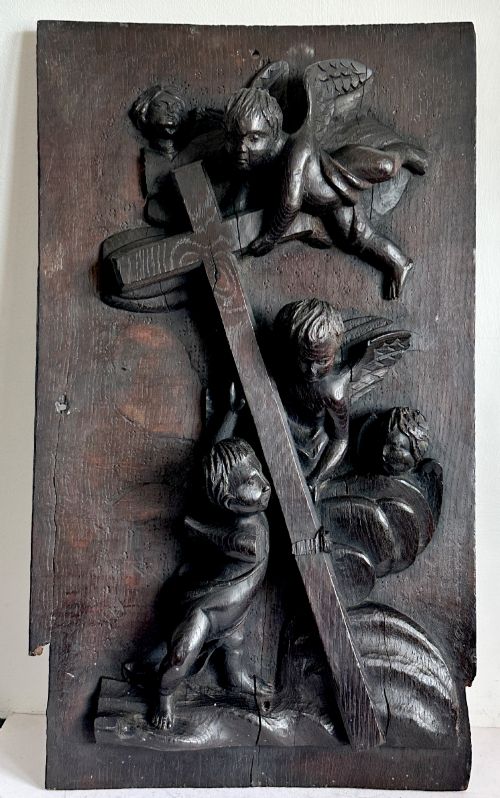
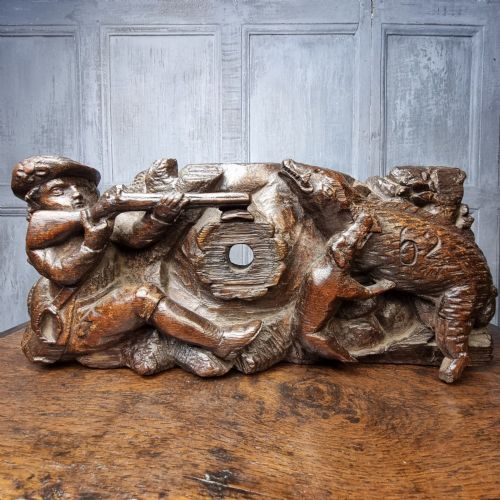
Wooden wall sculpture brings centuries of carved timber, from 16th-century ecclesiastical panels to Black Forest trophies, directly into domestic rooms.
Wooden Wall Sculpture
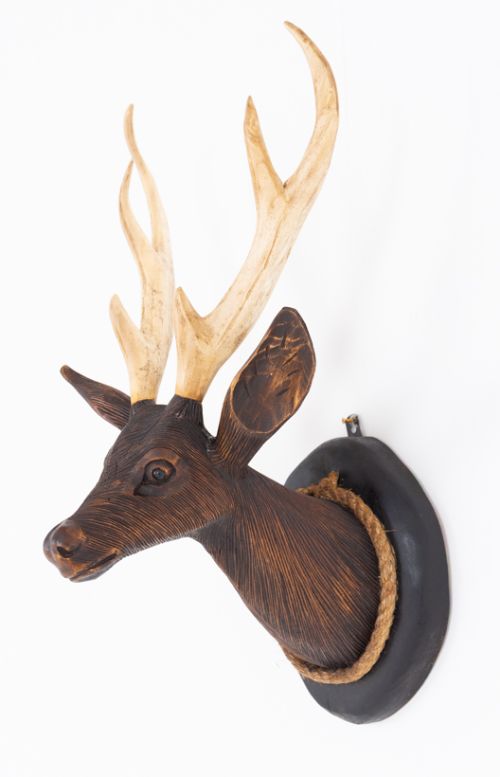
A wooden wall sculpture is a carved timber object designed for display on vertical surfaces, encompassing architectural fragments, religious panels, and decorative plaques. When you search for wooden wall sculpture, you encounter everything from medieval oak altarpieces to 19th-century Black Forest animal heads and African tribal masks.
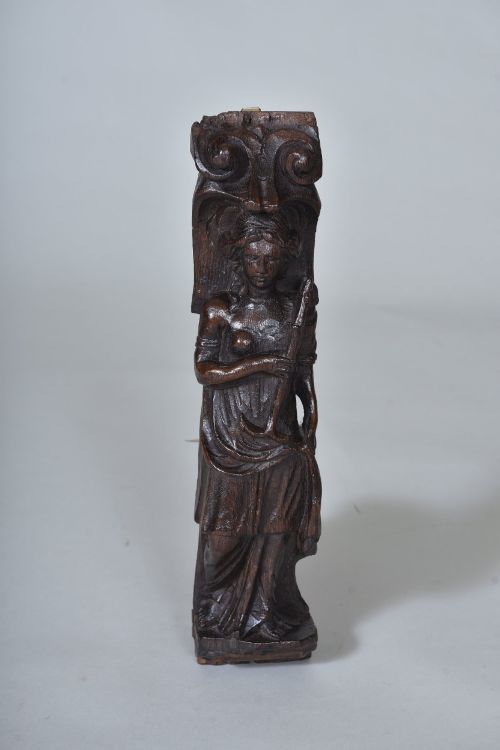
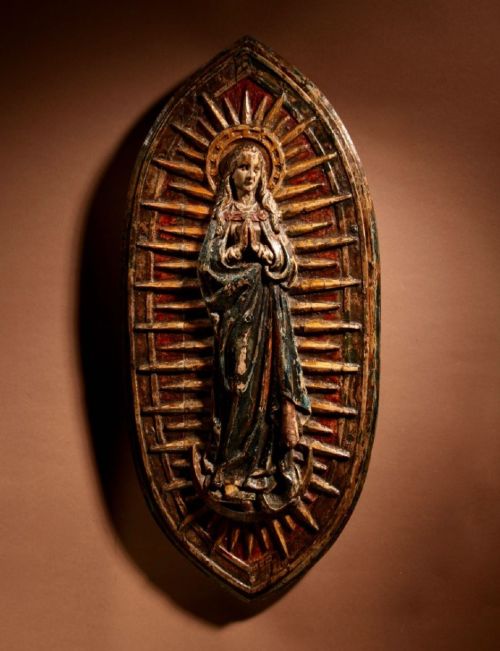
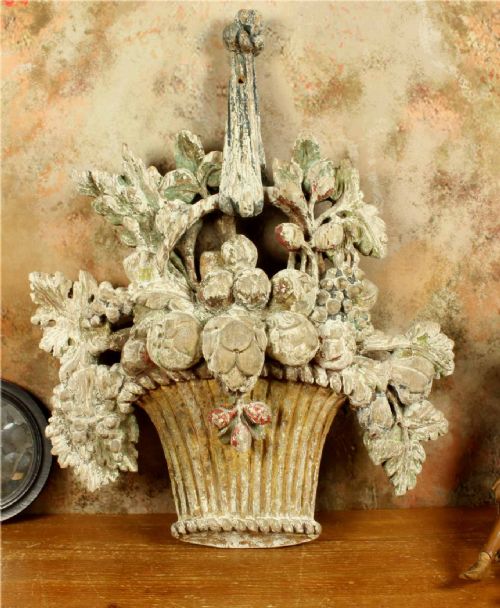
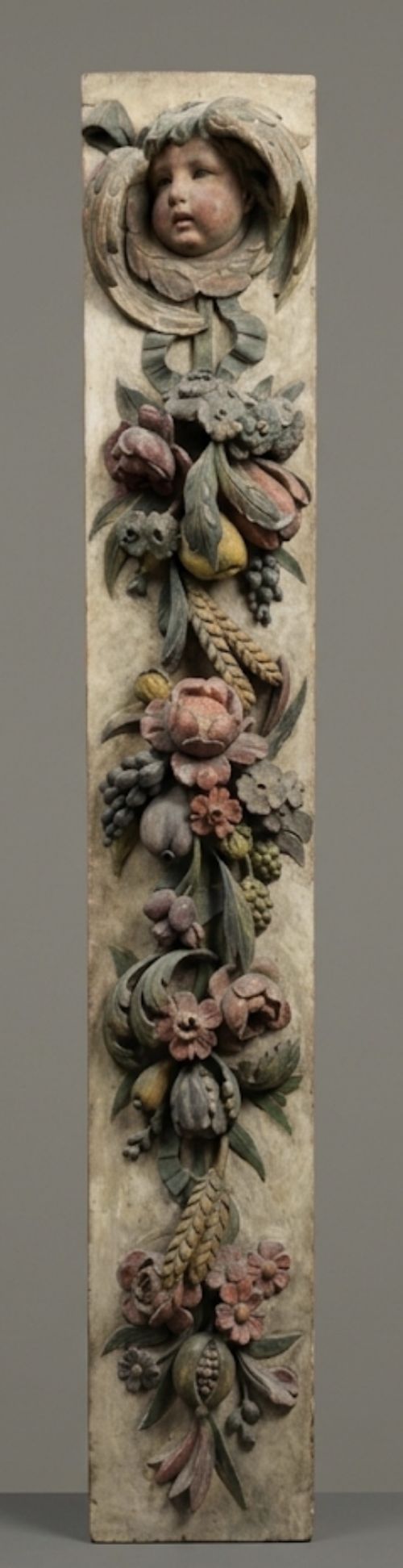
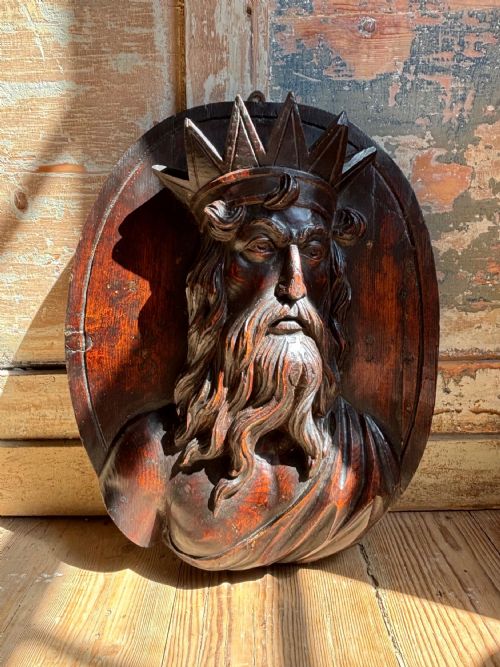
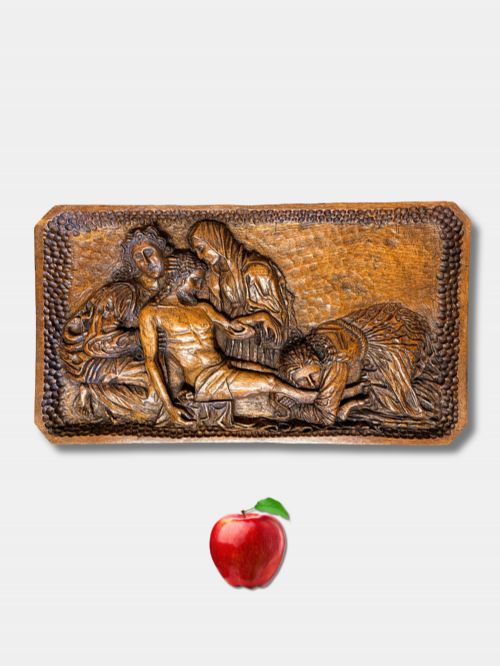
The selection ranges across several centuries, with particular emphasis on 17th-century oak panels and 18th-century walnut or gilt gesso carvings. Forms vary from architectural salvage and overdoor panels to figural reliefs depicting saints, cherubs, and mythological subjects like Neptune.
Originating from diverse European workshops and international tribal traditions, these pieces frequently served functional architectural roles before becoming standalone wall art. Collectors find items spanning French country styles, Italian Baroque, and folk art traditions.
How they were made
Makers shaped these sculptures primarily from dense hardwoods like oak, walnut, chestnut, and elm, relying on hand chisels and gouges to achieve deep relief. The grain of the timber dictates the muscular flow of figures and the crisp edges of architectural foliage.
Surface preparation involved applying gesso directly to the wood base before laying down gold leaf or polychrome paint, adding brilliant colour and illumination to religious and decorative elements.
Many panels and fragments retain their natural unpainted timber finish, showing the tool marks of the carver, while others display layered historical paint or gilt surfaces that have mellowed over centuries.
A grinning warthog mask stares out from the Ivory Coast, keeping watch beside stoic 17th-century saints.
What varies in quality
The integrity of the original surface - whether untouched historic polychrome, early gilding, or the natural patination of bare oak - determines the visual authority of the piece. Integrated composition across architectural elements like corbels and pediments also elevates a carving from a mere fragment to a commanding focal point.
Edward Pearce
The Wooden Wall Sculpture Glossary
- Gesso
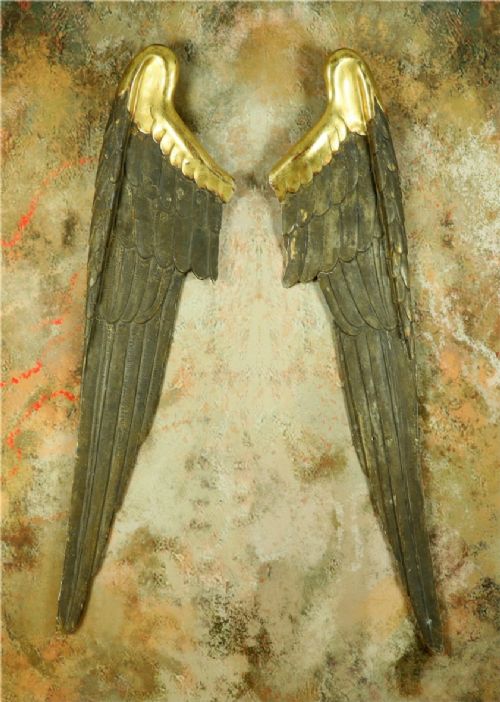
- A plaster mixture applied to wood surfaces as a smooth base for gilding or painting. This preparation provides the luminous foundation seen on many antique angel wings and carved panels.
- Corbel
- A structural piece of stone or wood projecting from a wall to carry a weight. In wood carving, these architectural supports often take figurative forms like medieval heads or scrolling foliage.
- Polychrome
- Decorated in a variety of colours. Painted wooden sculptures utilise this technique to bring realistic flesh tones and vibrant garment hues to religious figures.
- Pediment
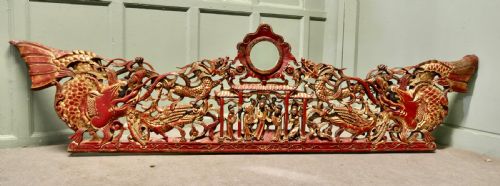
- An architectural crowning feature over a door, window, or temple front. Large carved pediments often depict elaborate Chinoiserie or figurative motifs.
- Relief carving
- Sculpture in which figures project from a background of the same material. High relief creates strong shadows and three-dimensional presence on wall panels.
Wooden Wall Sculpture: Frequently Asked Questions
What is a wooden wall sculpture?
A wooden wall sculpture is a carved timber artefact created for display on vertical surfaces, ranging from religious altarpiece panels to decorative animal trophies.
These pieces originate from architectural salvage, ecclesiastical settings, and folk art traditions across Europe and beyond.
How were antique carved panels used?
Antique carved panels originally functioned as architectural elements within churches, noble houses, and civic buildings, forming overdoors, altarpieces, or wall linings.
Over time, many of these architectural fragments transitioned into standalone decorative artworks displayed directly on interior walls.
How do you hang a heavy wooden sculpture?
Heavy wooden wall sculptures require secure fixings into structural wall studs or masonry rather than simple plasterboard anchors, given the substantial weight of dense timbers like oak and walnut.
Professional mirror plates or custom concealed mounting brackets distribute the load safely across the back of the panel.
How do you date a wooden wall carving?
Dating relies on analysing the tool marks left by the carver, the species of timber used, and stylistic indicators such as Baroque scrollwork or Gothic tracery.
Comparing the construction methods and the natural ageing of the wood grain against documented historical pieces helps establish the era of creation.