

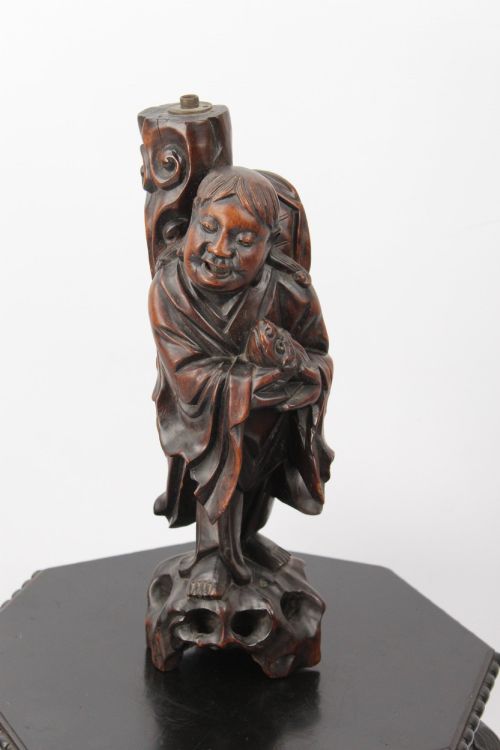
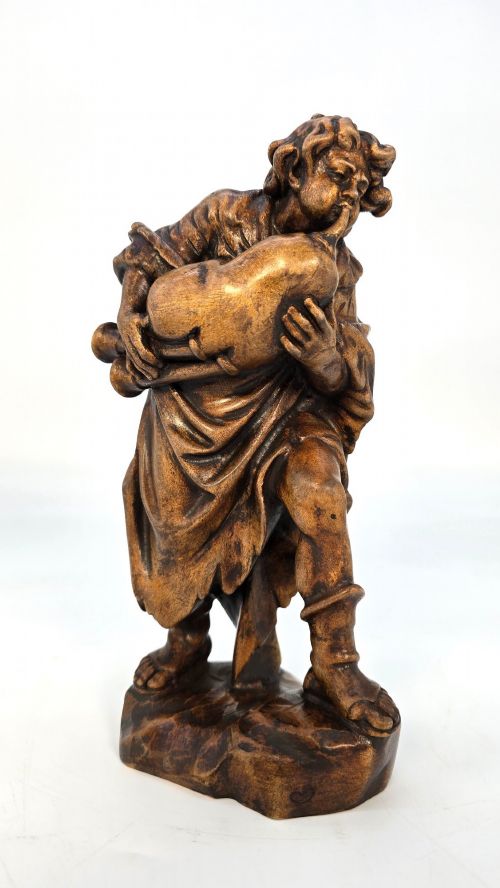
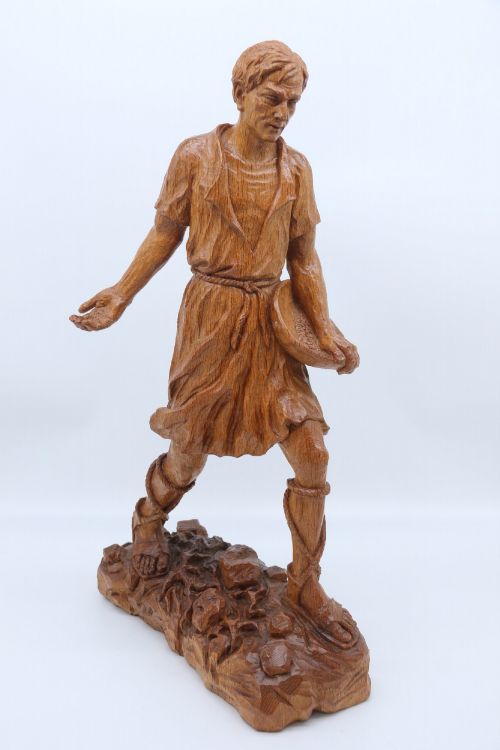
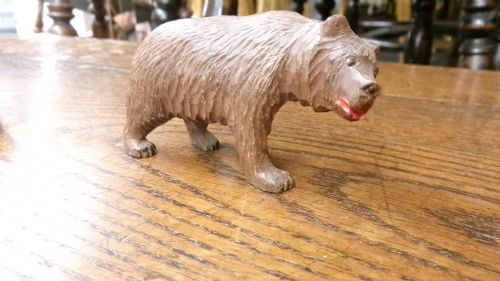
Hand Carved Wooden Ornament
A hand carved wooden ornament brings texture and narrative to a room, ranging from folk art animals to classical architectural fragments.
Hand Carved Wooden Ornament
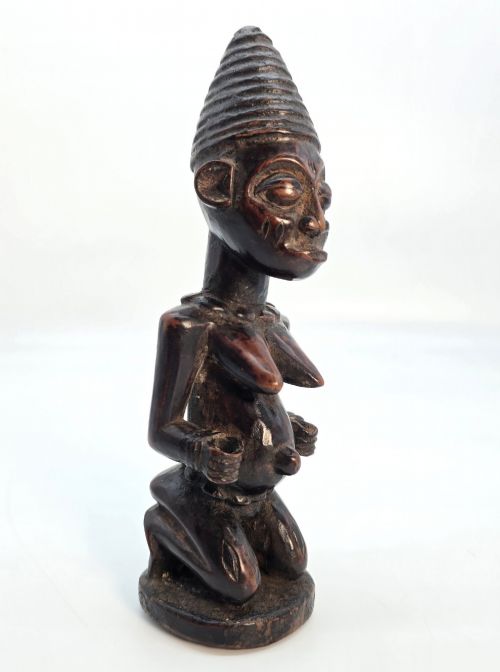
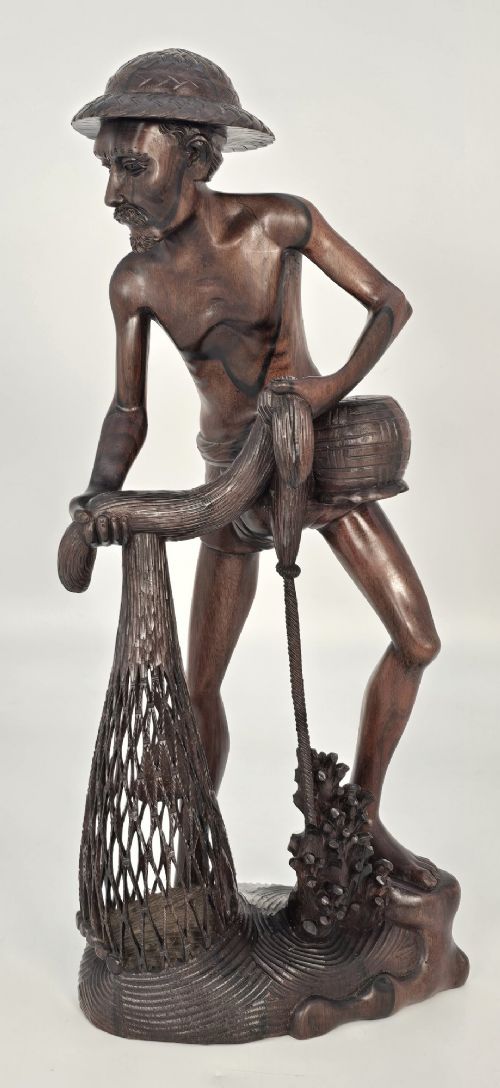
A hand carved wooden ornament encompasses a diverse group of sculptural objects shaped from timber across multiple centuries. Buyers encounter animal figures, human busts, religious icons and architectural elements originating from European, Asian and African workshops.
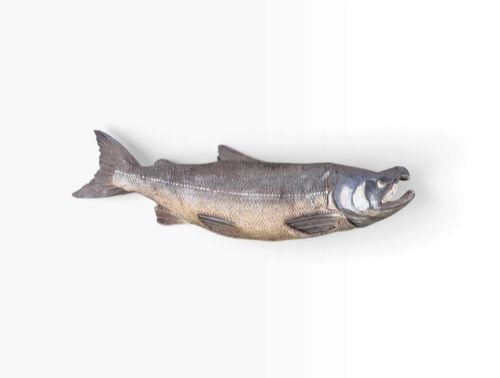
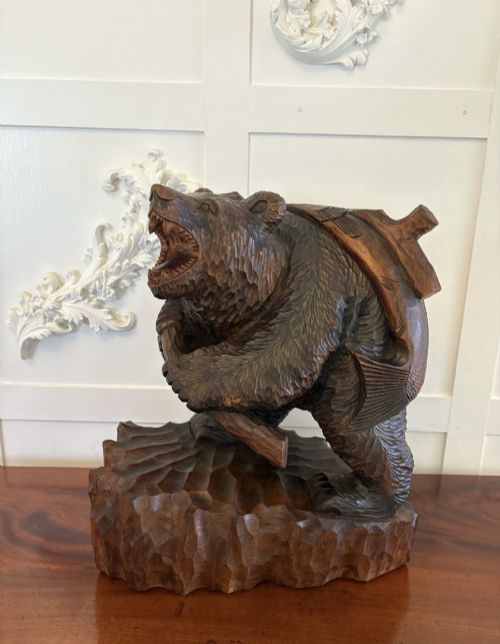
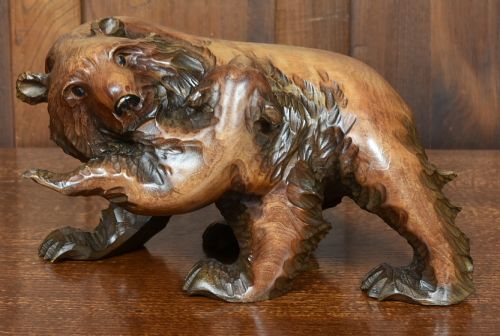
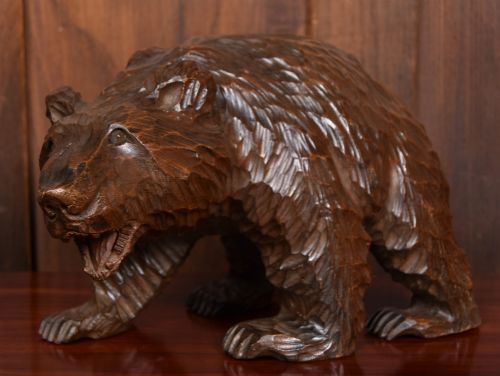
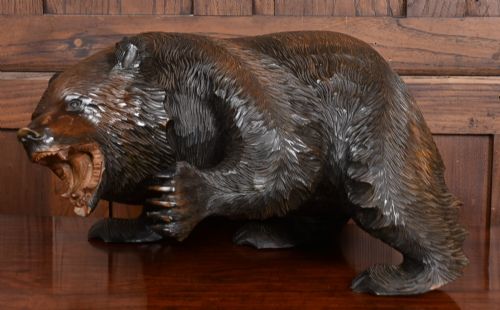
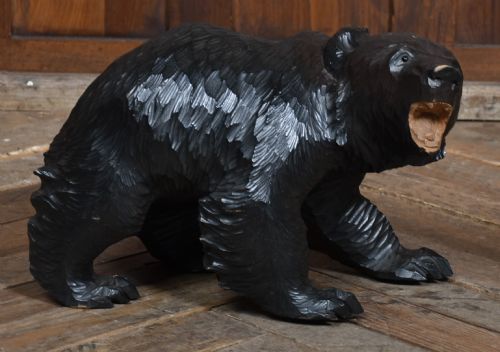
The selection on this page leans heavily into animal studies, particularly bears from the Black Forest and Japanese carving traditions, alongside folk art decoys and horses. Pieces date from the sixteenth century through to the early twentieth century, utilising various regional carving styles.
How they were made
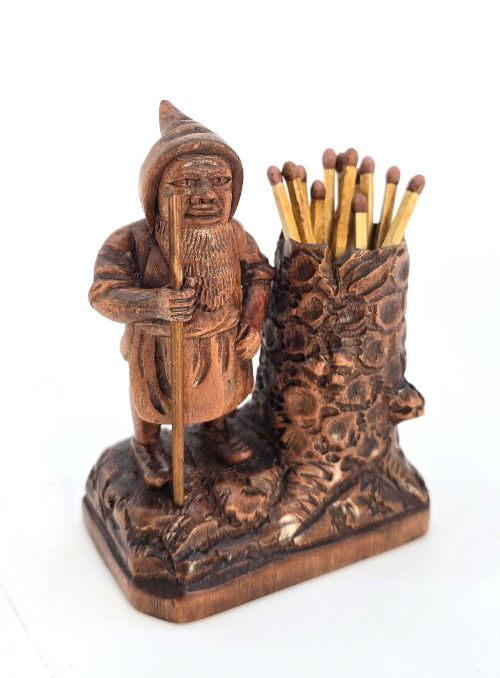
Carvers utilised local and imported timbers including oak, limewood, teak, ebony and hard woods, shaping the material with hand chisels and gouges. Some items feature applied paint or incorporate secondary components like brass stands and glass or stud eyes.
Regional traditions dictated the finish, from the detailed fur and plumage of Black Forest and Japanese animal sculptures to the primitive styling of nineteenth century folk art horses and naïve figures.
Hand Carved Wooden Ornament Retail Price Guide 2026
Typical asking prices for hand carved wooden ornament among the pieces listed under this phrase on Sellingantiques today, from the lower quarter to the upper quarter. They describe what is for sale here now, not the wider market.
Listings feature wood and hardwood items spanning the sixteenth century to the mid-twentieth century, including oak, limewood, teak and ebony.
What varies in quality
The choice of timber and the preservation of original surface patination influence the character of an object. Intricate detailing in hair, feathers or architectural foliage indicates the hand of a more accomplished artisan.
The Hand Carved Wooden Ornament Glossary
- Black Forest
- A nineteenth century Swiss and German carving tradition known for realistic representations of animals, particularly bears, often rendered in limewood.
- Folk Art
- Objects created by self-taught or traditional artisans outside formal academic academies, frequently displaying a naive or primitive aesthetic.
- Limewood
- A pale timber favoured by European carvers for its fine, even grain and suitability for intricate detail without splitting.
- Architectural Fragment
- A salvaged portion of a building, such as an oak ceiling boss or panel, repurposed as a decorative object.
- Root Wood
- A material utilised in Chinese carving where the natural gnarled growth of the root informs the final shape of the creature or figure.
Hand Carved Wooden Ornament: Frequently Asked Questions
How do I date a wooden carving?
Dating relies on tool marks, the choice of timber, and stylistic conventions associated with specific periods like the Victorian era or the Raj period. Comparing the piece to documented regional output helps narrow the decade of production.
Wear patterns and the natural ageing of the wood surface also provide clues to age. Unaltered patination accumulates over generations of handling and environmental exposure.
What is Black Forest carving?
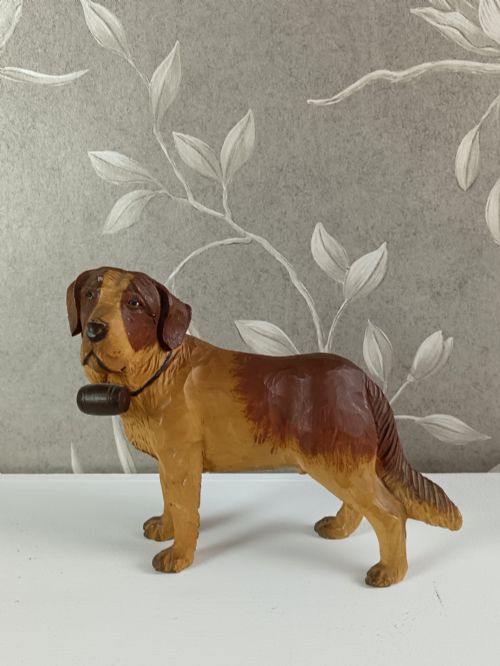
Black Forest carving refers to nineteenth-century wooden sculptures originating from Switzerland and Germany, famous for lifelike animals and functional items like inkwells. Bears and dogs are the most common subjects encountered by collectors.
These works were popular tourist souvenirs and decorative items in Victorian homes. They utilise soft woods like limewood, finished with dark stains and varnishes.
How should I care for antique wood?
Keep wooden ornaments away from direct heat sources and strong sunlight to prevent the timber from drying out and cracking. Stable indoor humidity protects both the wood and any applied paint finishes.
Dust gently with a dry, soft cloth rather than using liquid polishes or chemical cleaners. Allowing the wood to maintain its natural state preserves the historic surface.
What is folk art wood sculpture?
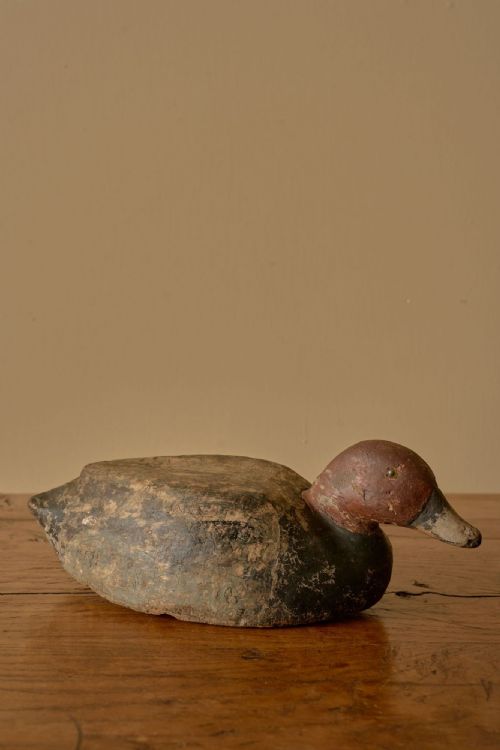
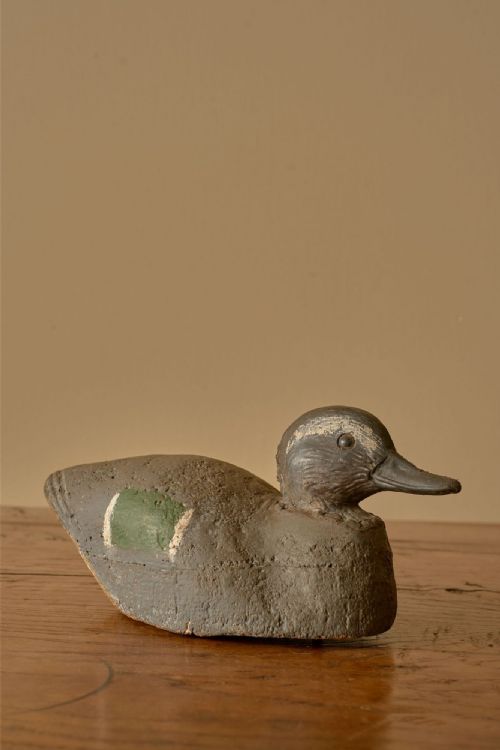
Folk art wood sculpture includes items made by rural craftsmen or non-professional makers for local use, toys, or decoys. These pieces often exhibit a charmingly primitive or naive style rather than academic proportions.
Examples include painted horses and duck decoys that emphasise bold silhouettes and practical utility. Their charm lies in their unpretentious execution and regional character.