
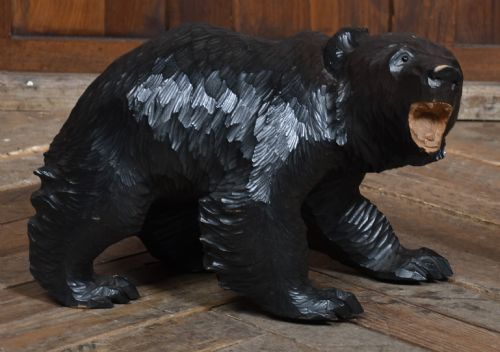


Vintage Japanese Wood Carving
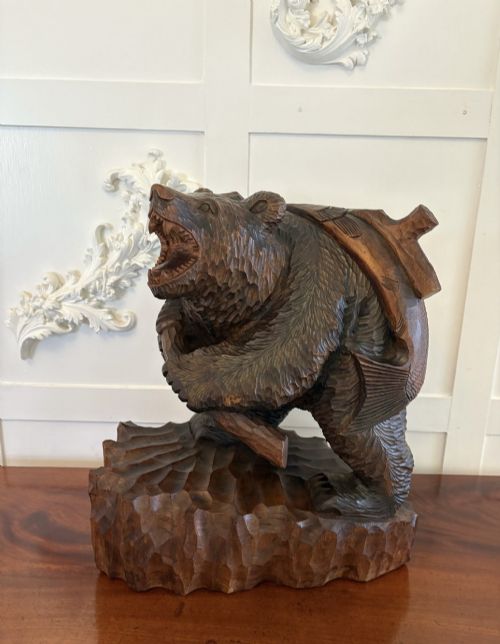
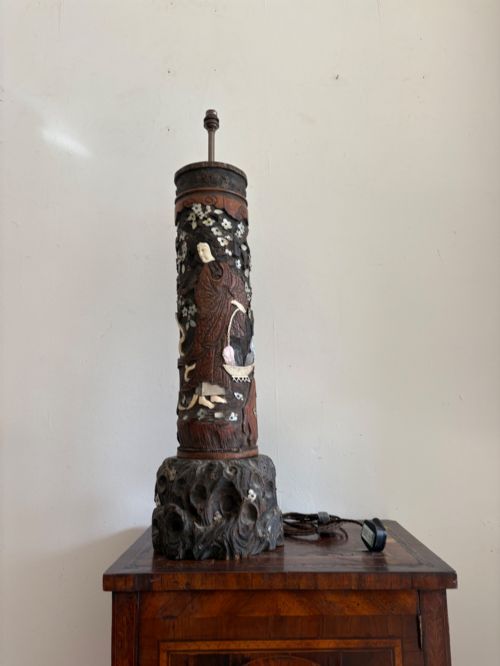
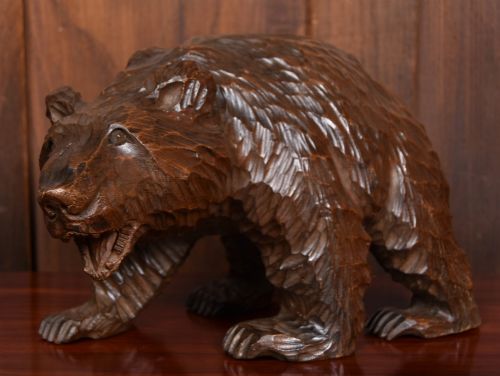
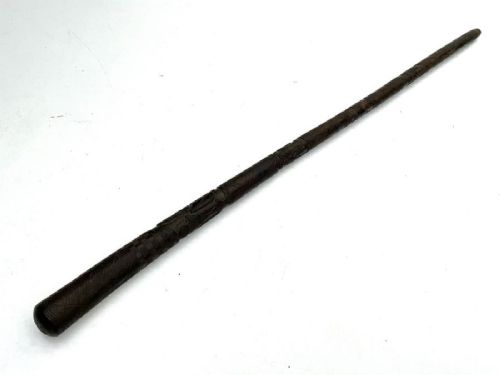
These vintage japanese wood carving pieces encompass sculpted bears, furniture, and figures spanning the nineteenth century through the early twentieth century.
Vintage Japanese Wood Carving
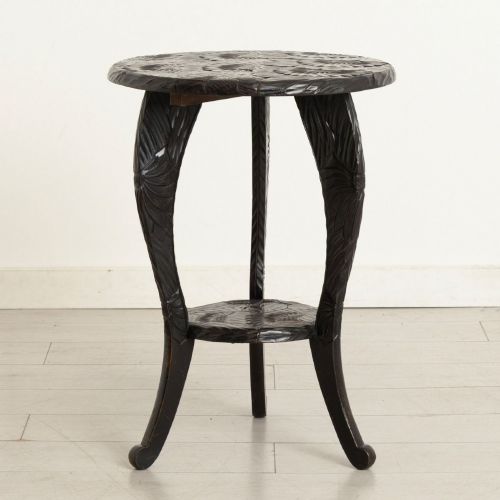
A vintage japanese wood carving brings traditional craftsmanship into domestic spaces through sculptural forms and functional items. Buyers searching this phrase encounter a diverse array of objects, from figurative sculptures of bears and geisha to furniture such as side tables and hibachi. These pieces reflect historical periods including the Meiji era and Edwardian decades, capturing distinct aesthetic movements.
How vintage japanese wood carving works were made
Artisans utilised various timbers including linden wood, hardwood, boxwood, and root wood to shape these sculptures and functional objects. Hand tools allowed carvers to achieve fine anatomical details in figures of animals and humans, employing techniques such as the nata-tsukuri style.
Surface decoration frequently involved intricate carving, inlay work with materials like mother of pearl, or lacquer applications. Structural elements in furniture and larger sculptures relied on traditional joinery combined with natural wood grains to accentuate the sculptural form.
The listings feature wood as the primary material alongside iron, glass, fabric, and copper.
What varies in quality
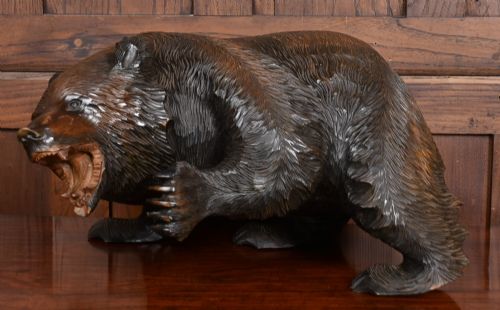
The standard of execution in carving dictates the distinction between ordinary items and superior works. Mastery is evident in the naturalistic proportions of figures and the precision of surface detailing on animal and human subjects.
Material selection also plays a role, with dense hardwoods and carefully chosen root wood offering greater durability and visual depth. The integration of decorative elements like mother of pearl further elevates the standing of an individual piece.
Liberty of London
The Vintage Japanese Wood Carving Glossary
- Meiji Period
- The era in Japanese history spanning from 1868 to 1912, known for opening trade with the West and producing highly detailed decorative arts.
- Kibori Kuma
- A traditional style of carved wooden bear originating from Hokkaido, typically depicted holding a fish in its mouth.
- Okimono
- A small Japanese ornamental carving designed for display on a shelf or tabletop.
- Hibachi
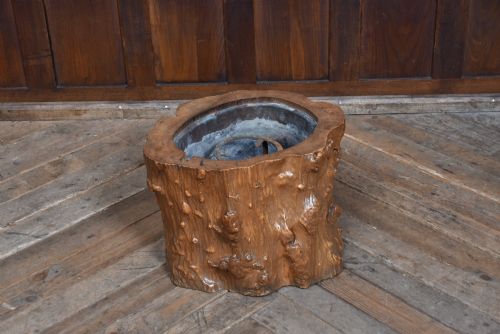
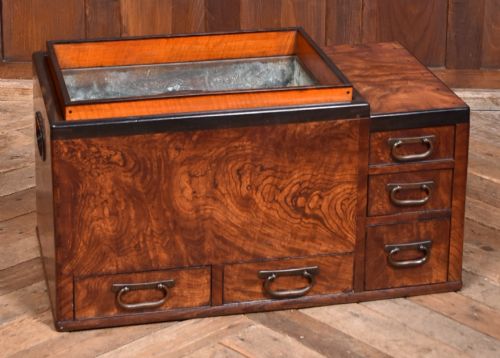
- A traditional Japanese heating device or brazier, often constructed from wood and lined to hold hot coals.
- Nata-tsukuri Style
- A specific carving technique that leaves intentional hatchet marks visible on the wooden surface of the sculpture.
Vintage Japanese Wood Carving: Frequently Asked Questions
How were wooden hibachi used?
Wooden hibachi functioned as traditional heating devices in Japanese homes, designed to hold burning charcoal safely. They often incorporated metal linings to protect the surrounding wood.
Over time, these heavy vessels transitioned from domestic hearths into decorative interior accents.
What distinguishes Meiji period carvings?
Meiji period pieces display exceptional technical proficiency and fine detail, reflecting a surge in craftsmanship aimed at both domestic and international markets. Artisans utilised diverse woods to create lifelike animal and human figures.
This era marked a significant intersection between traditional Japanese aesthetics and Western collecting tastes.
Where should I place root wood lamps?
Root wood table lamps suit spaces that benefit from organic textures and natural forms. Their distinct silhouettes make them effective focal points on side tables or desks.
Pairing them with neutral surroundings allows the intricate grain and sculptural shape of the wood to stand out.