

Hand Carved Wood Sculpture
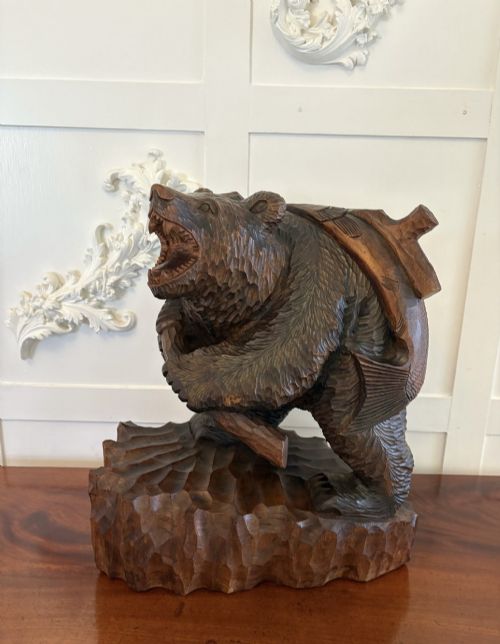
When you handle a hand carved wood sculpture, you hold centuries of regional craft, from Black Forest bears to early folk decoys.

Hand Carved Wood Sculpture
A hand carved wood sculpture brings together centuries of regional workshop traditions, ranging from European religious figures to vernacular animal carvings. When searching for a hand carved wood sculpture, buyers encounter works spanning the seventeenth century through to the early twentieth century, with nineteenth-century pieces forming a large portion of the selection.
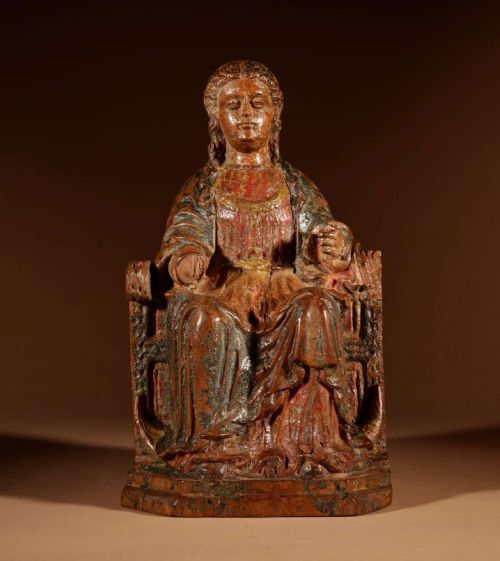
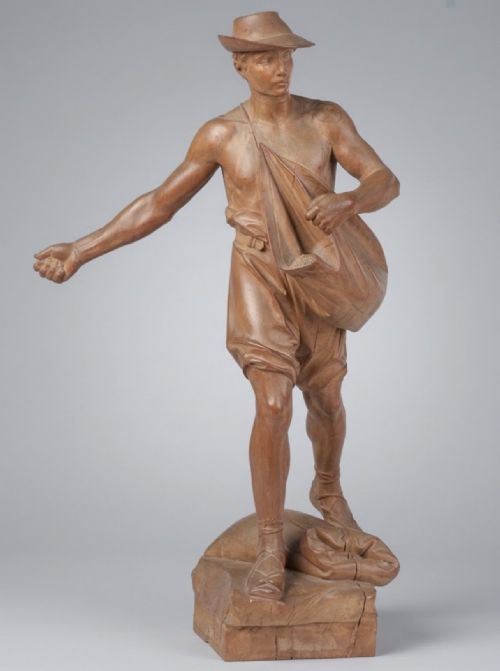
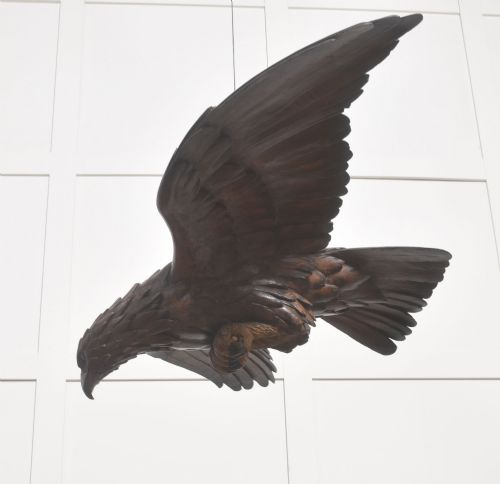
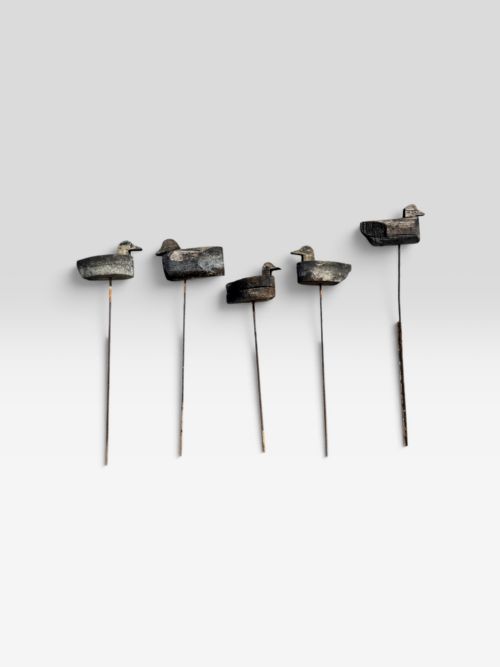
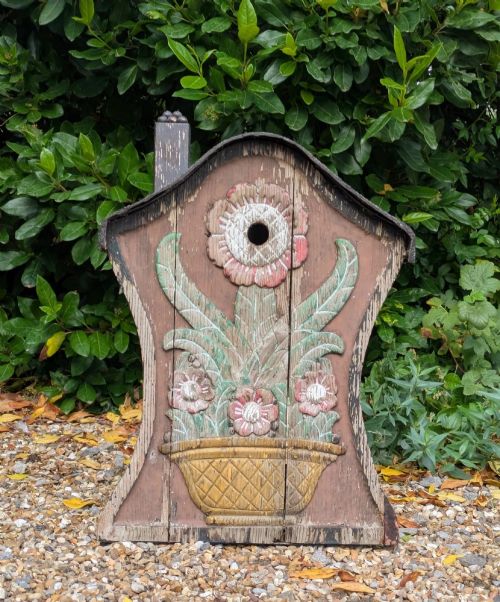
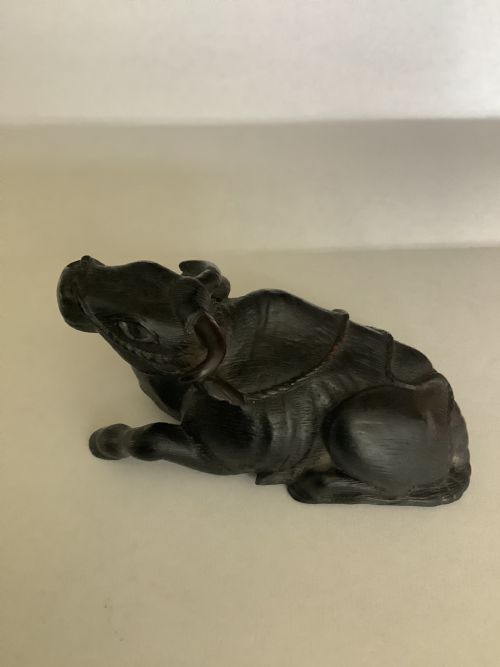
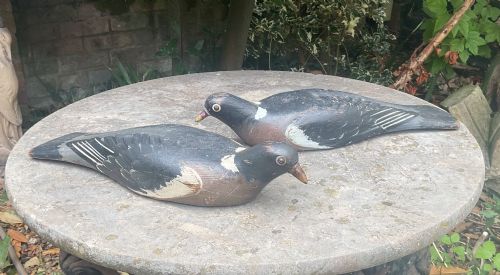
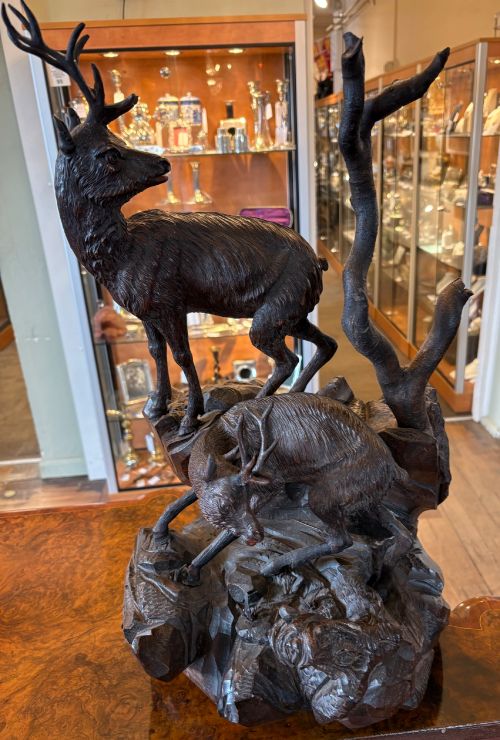
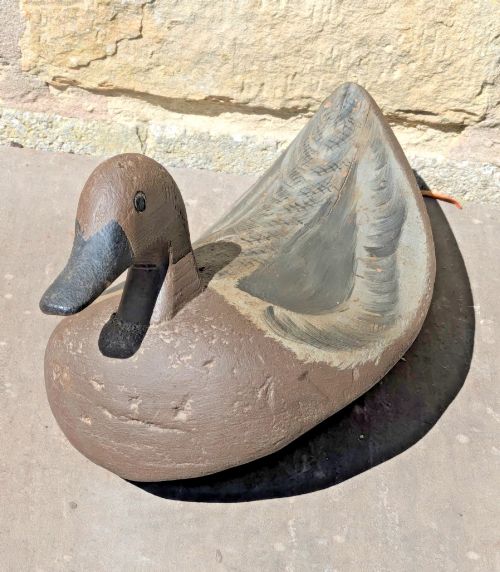
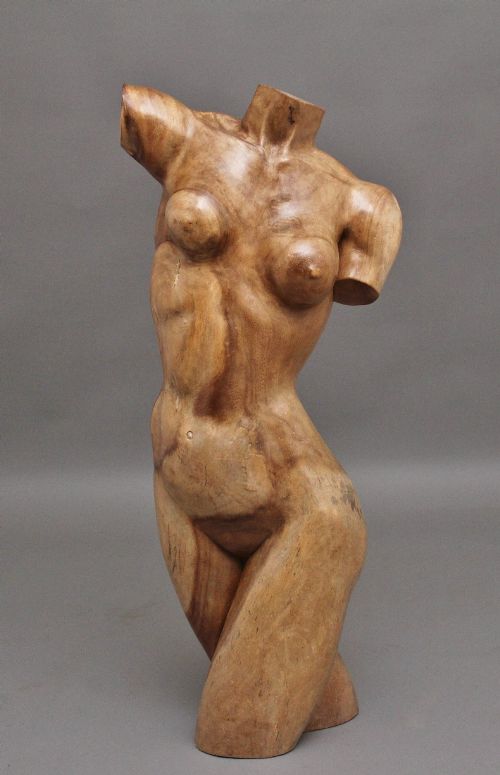
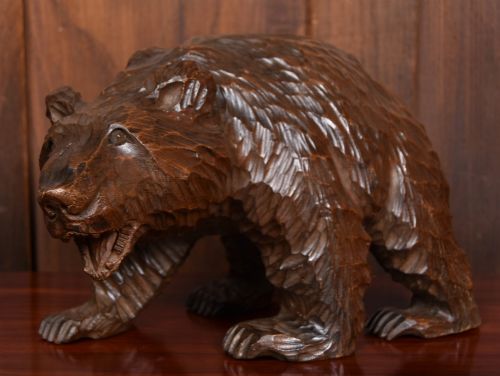
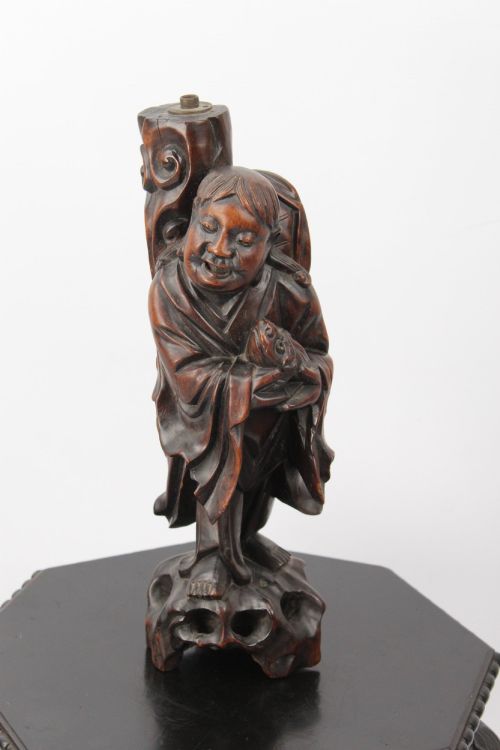
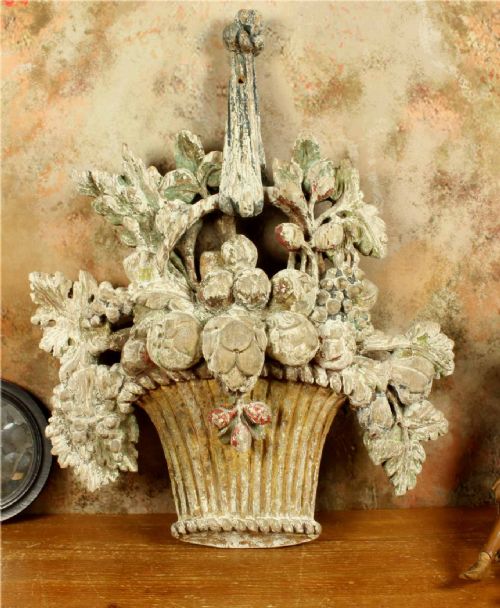
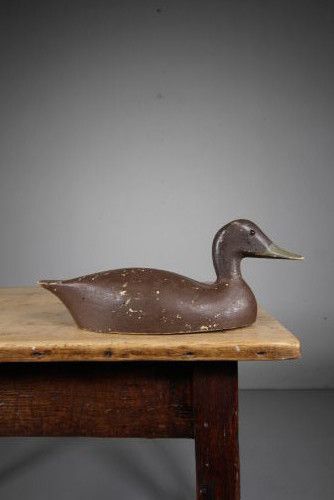
The objects take many forms, including animal studies, human figures, architectural plaques, and functional items like decoys. Black Forest bears, saints, soldiers, and regional folk art pieces appear frequently across the periods listed on this page.
How they were made
Carvers utilised local timbers such as walnut, linden wood, fruitwood, chestnut, and oak, selecting each wood for its grain and workability. Hand tools including gouges and chisels shaped the timber directly from the block, leaving tool marks that reveal the hand of the maker.
Many sculptures retain their original surface treatments, including hand-applied paint, gesso, or lacquer layers. Some pieces combine carved detail with applied glass eyes or metal elements, particularly in animal and figural studies.
Hand Carved Wood Sculpture Retail Price Guide 2026
Typical asking prices for hand carved wood sculpture among the pieces listed under this phrase on Sellingantiques today, from the lower quarter to the upper quarter. They describe what is for sale here now, not the wider market.
A small carved bear stares back with tiny stud eyes, watching over the workshop from a past century.
What varies in quality
The strength of a hand carved wood sculpture lies in the depth of relief, the liveliness of the carving, and the anatomical accuracy or expressive force of the subject. Master carvers captured movement and texture with precision, whereas simpler vernacular pieces relied on charming naivety and direct form.
Preservation of the original timber surface and any early paint layer also determines the character of the piece. Untouched patination and crisp edge retention separate accomplished workshop pieces from heavily worn examples.
George Henry Paulin RBS·J. HUGGLER·Jules buste labatut
The Hand Carved Wood Sculpture Glossary
- Black Forest
- A regional Swiss and German style known for realistic carved timber animals, particularly bears and deer, executed in linden wood.
- Gesso
- A plaster-like mixture applied to wood surfaces to prepare them for gilding or painting.
- Decoy
- A carved and painted wooden bird or animal historically used in hunting, now collected as folk art.
- Linden wood
- A pale, fine-grained timber favoured by European carvers for its softness and suitability for intricate detail.
- Relief
- A sculptural technique where figures project from a flat background panel rather than existing in the round.
Hand Carved Wood Sculpture: Frequently Asked Questions
What is a Black Forest carving?
Black Forest carvings originate from mountain regions in Switzerland and Germany, typically depicting bears, deer, and other wildlife in linden wood. These pieces became popular during the nineteenth century for domestic display.
Workshop carvers focused on realistic textures such as fur and pine branch settings, often incorporating functional elements like inkwells or trays.
How old are these wooden sculptures?
The selections span from the seventeenth century through to the mid-twentieth century. Earlier examples often depict religious subjects like saints and crucifixes.
Nineteenth and early twentieth-century pieces introduce animal studies, folk art decoys, and human figures reflecting regional traditions.
How do I care for antique wood?
Antique wooden sculptures require stable indoor humidity levels away from direct sunlight and heat sources. Rapid temperature changes cause the timber to expand and contract.
Dusting with a soft, dry cloth maintains the surface without the need for modern polishes or oils that alter the original patina.
What is folk art sculpture?
Folk art sculptures are created by self-taught makers or regional craftsmen outside academic traditions. These objects include decoy ducks, painted horses, and naive figures.
Their appeal rests on direct expression, original painted surfaces, and honest working methods rather than formal academic training.