


19th Century Folk Sculpture
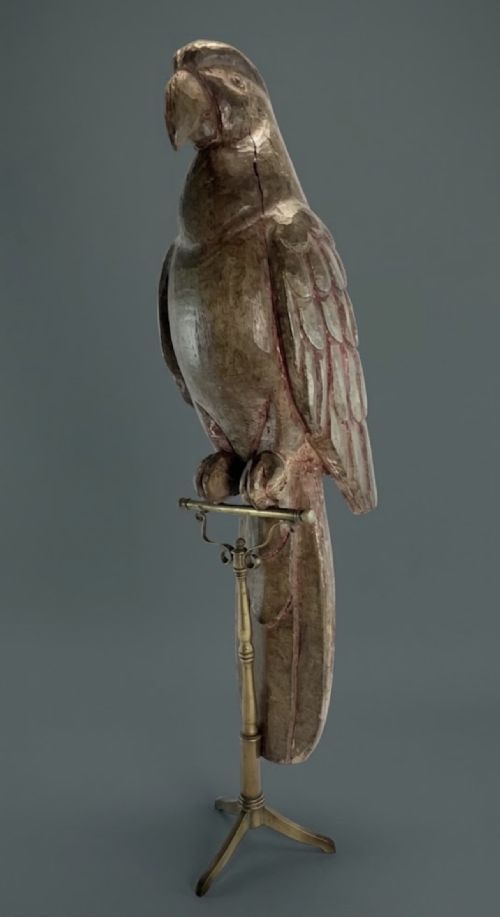
These pieces of 19th century folk sculpture bring rustic personality and vernacular charm into a room.
19th Century Folk Sculpture
When you search for 19th century folk sculpture, you encounter a diverse gathering of hand-carved animals, working decoys, architectural weathervanes, and naive figures originating from English, French, German, and Asian traditions.
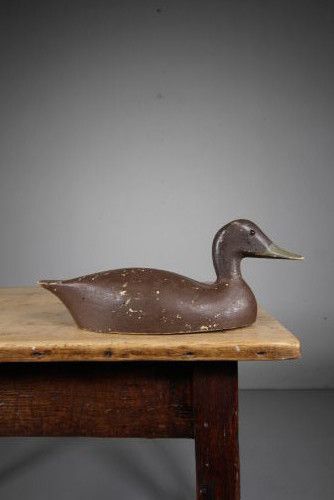
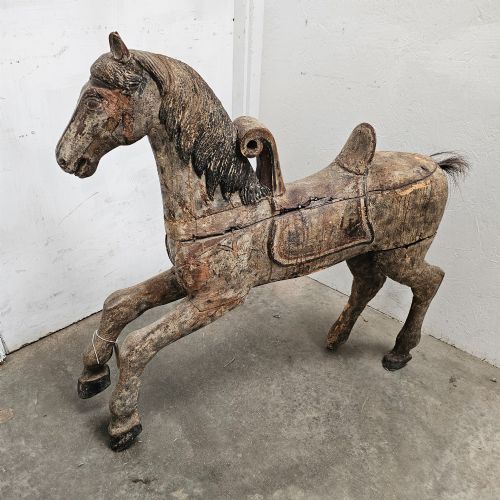
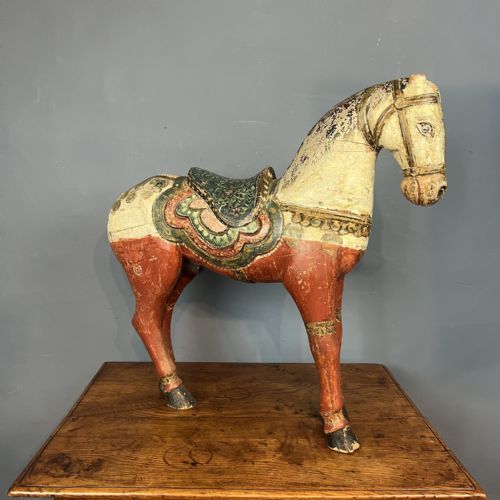
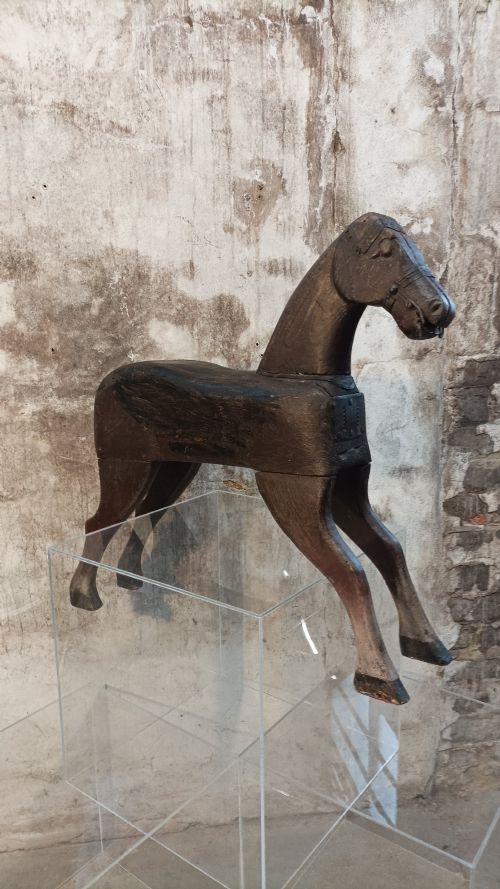
The most common versions met on this page include carved wooden horses, painted waterfowl decoys, and metal weather vanes, often shaped by regional makers outside the formal academic academies.
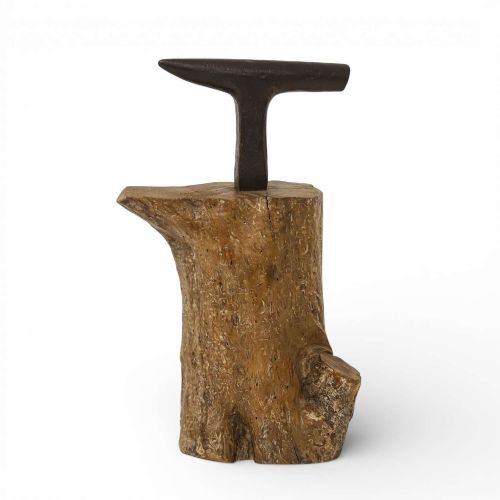
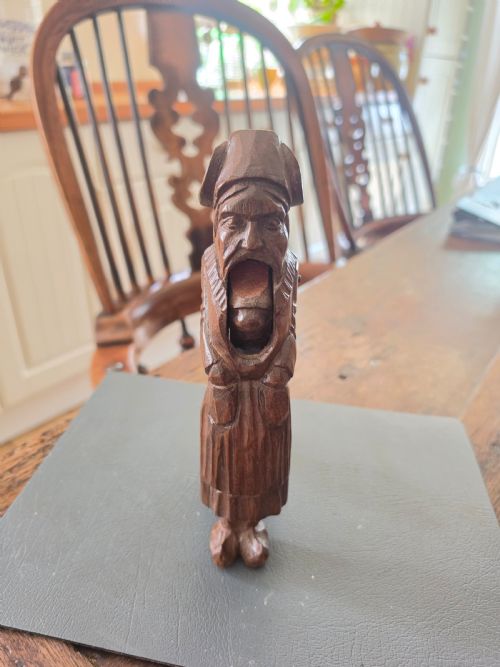
These objects range from utilitarian items like farrier's anvils and nutcrackers to purely decorative carvings, animal figures, and processional sculptures.
How they were made
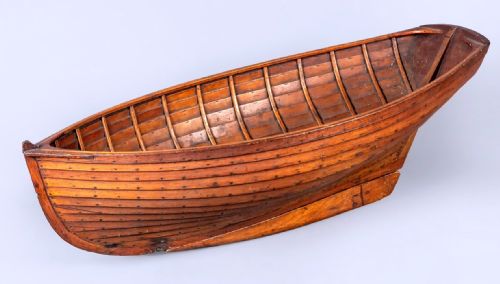
Makers utilised available local materials, predominantly carving from solid blocks of fruitwood, oak, and hardwood, or shaping sheet metal and copper for functional outdoor weather vanes.
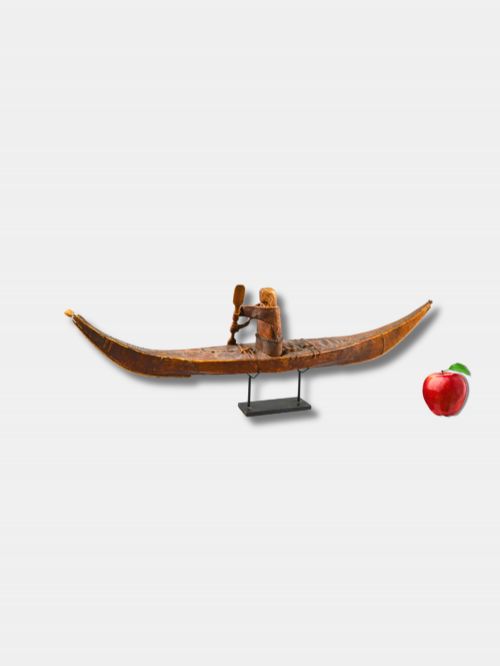
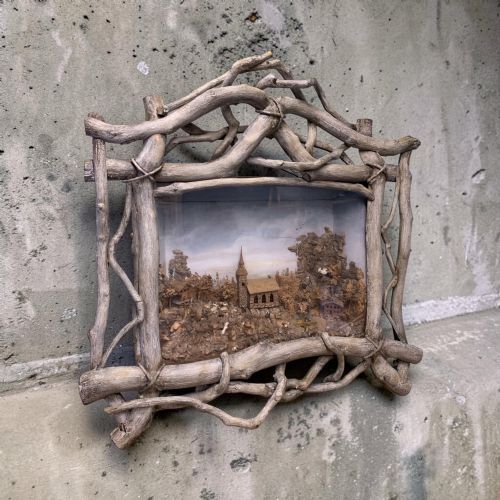
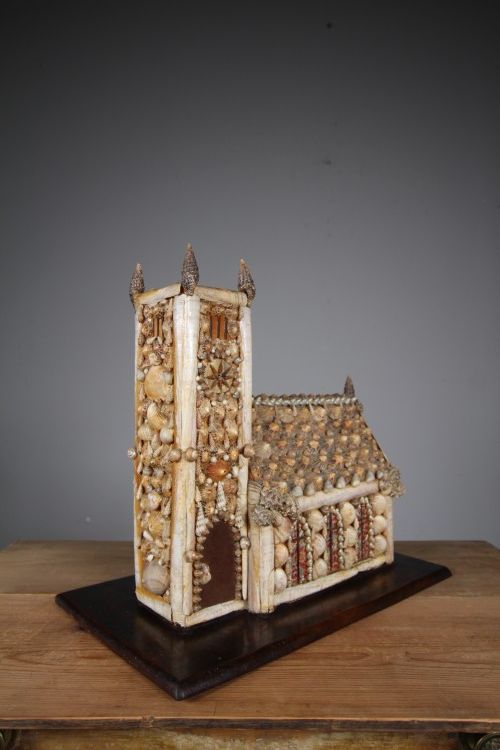
Surfaces were frequently finished with layers of old paint, gesso, or left as bare carved wood, while specialised items incorporated carved bone, tanned seal skin, cork, shell work, and brass stands.
Among the carved menagerie, a lifesize wooden antelope stands ready to bound across the floorboards.
What varies in quality
Quality rests in the strength of the carving, the liveliness of the form, and the character of the original painted surface rather than adherence to strict anatomical proportions.
Pieces that retain their authentic weathering, original paint layers, and untouched patination command greater interest than those stripped or overly restored.
The 19th Century Folk Sculpture Glossary
- Decoy
- A carved wooden bird or animal traditionally used by hunters to attract wild game, now collected as sculpture. These working objects often show layered paint from decades of outdoor exposure.
- Weathervane
- A kinetic metal or wooden sculpture mounted on a pivot to show wind direction. Examples take the form of cockerels, horses, and arrows.
- Polychrome
- Painted in several colours. This describes wooden and ceramic figures that retain their original applied pigments.
- Vernacular
- Objects made by self-taught artisans or local craftsmen for everyday use or regional custom, outside academic art traditions.
- Gesso
- A plaster-like mixture applied to wood surfaces as a smooth base for painting or gilding.
19th Century Folk Sculpture: Frequently Asked Questions
What is 19th century folk sculpture?
These pieces comprise carved wooden animals, working decoys, metal weather vanes, and naive figures made by regional craftsmen.
They reflect local traditions and practical functions rather than academic fine art standards.
How were wooden folk sculptures finished?
Many pieces were left as bare carved wood or coated in protective layers of paint and gesso.
Surfaces often accumulate patination and multiple paint layers from active use over decades.
Where did these sculptures originate?
The items stem from diverse geographic origins including English, French, German, Spanish, Chinese, and Inuit workshops.
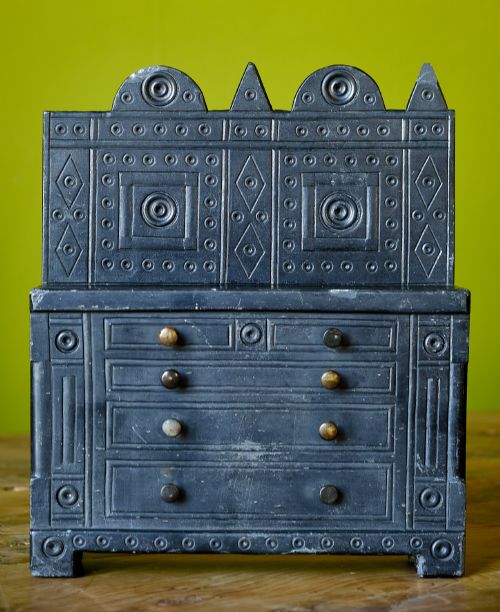
Each region utilised local materials such as fruitwood, whalebone, copper, or slate.
How do I live with folk sculpture?
These sculptures suit tabletops, shelves, and walls, pairing naturally with rustic or eclectic interiors.
Keep them away from direct heat sources to protect the aged wood and original paint surfaces.