



Traditional Folk Art Figure
A traditional folk art figure brings carved character and vernacular history straight into a room.
Traditional Folk Art Figure
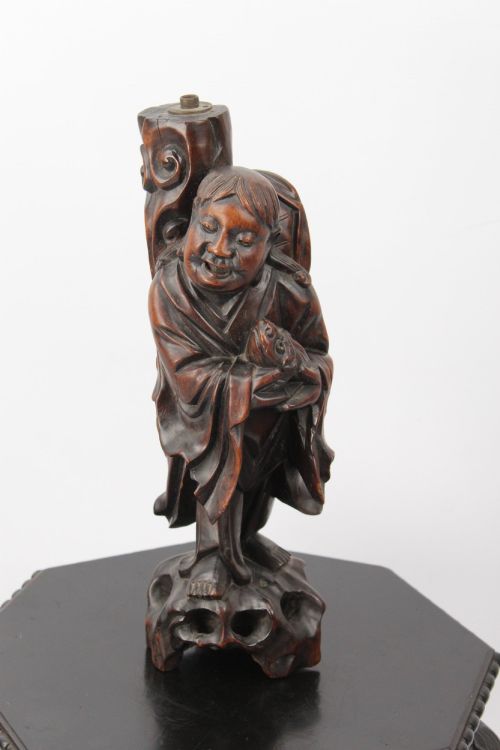
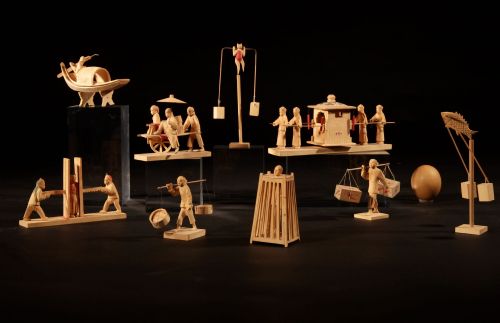
A traditional folk art figure encompasses hand-carved representations of people, animals, and mythological subjects originating from domestic and international makers. These pieces emerge from periods spanning the eighteenth century through to the mid-twentieth century, capturing local trades, beliefs, and leisure.
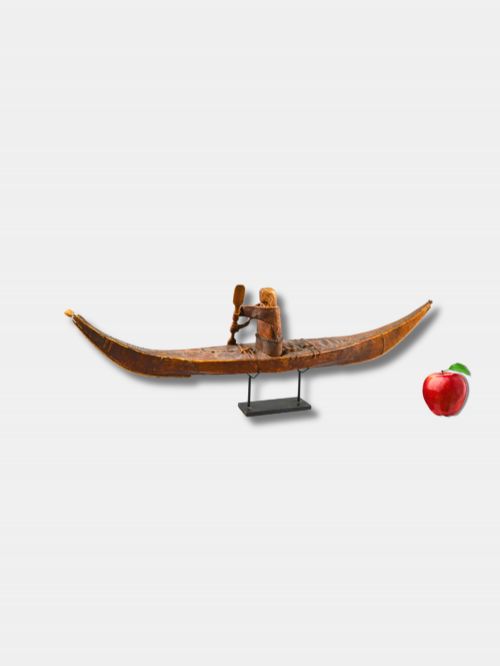
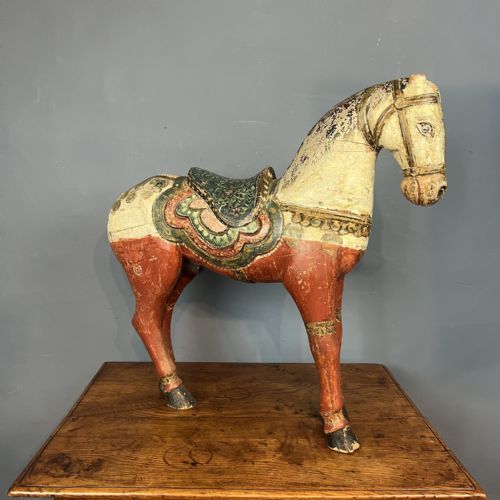
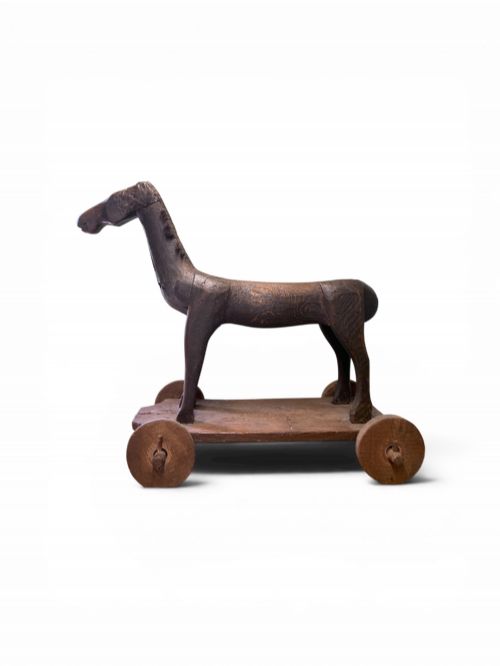
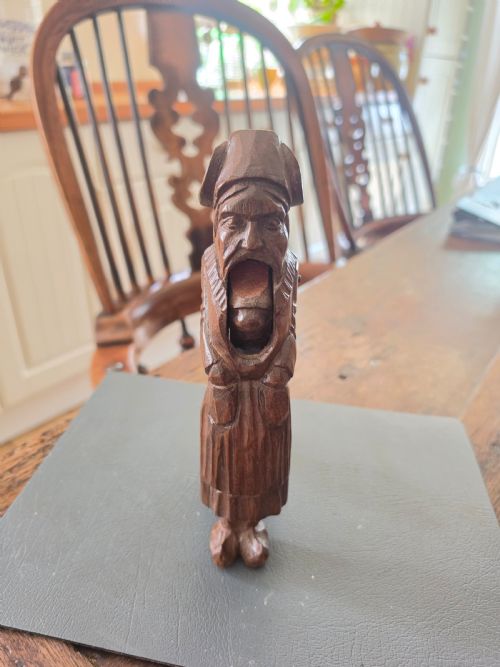
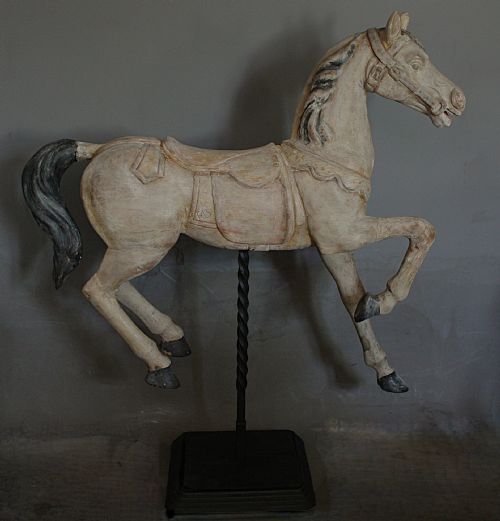
Buyers seeking this phrase encounter a diverse assortment of forms, including carousel and rocking horses, marionettes, religious deities, and utilitarian carvings such as nutcrackers and walking sticks. English, European, Chinese, Indian, and Inuit cultures all contribute distinct regional interpretations to the selection.
The objects serve primarily as decorative sculptures and models, reflecting the vernacular traditions of their specific geographical origins rather than academic art canons. Surviving examples demonstrate the hands of untutored carvers working with local timber and pigments.
What Varies in Quality
The vitality of the carving distinguishes superior pieces from more static or mechanical production work. Expressive faces, convincing anatomical movement, and confident tool handling elevate individual sculptures above standard utilitarian objects.
Original surface patination and surviving early paint layers dictate the visual integrity of a piece. Retained pigment with natural wear holds greater historical coherence than unsympathetic modern overpainting.
A night watchman from Ukraine stands alongside dancing jigger dolls in top hats and tails.
The Traditional Folk Art Figure Glossary
- Polychrome
- Painted in several colours. This term describes carved wooden surfaces retaining their original multi-coloured pigments.
- Marionette
- A puppet worked by strings from above. These articulated figures often feature wooden bodies and traditional costume.
- Decoy
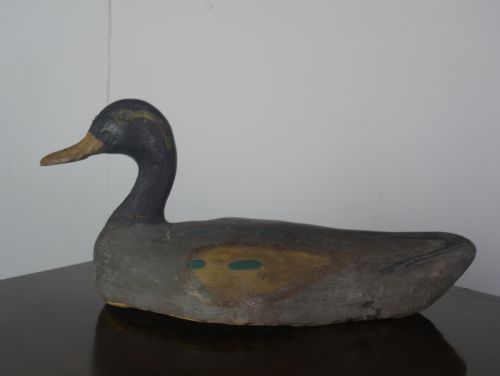
- A carved model used to attract wildfowl. Traditional examples display simplified forms and weathered working paint.
- Vernacular
- Made by local artisans following regional traditions rather than academic rules. Such pieces show unpretentious materials and direct construction methods.
Traditional Folk Art Figure: Frequently Asked Questions
What is a traditional folk art figure?
These items are hand-carved wooden sculptures made by regional craftsmen to represent people, animals, or cultural figures. They range from religious icons and puppets to carousel animals and decoy ducks.
Each piece reflects the local materials and aesthetic preferences of its period, spanning from the eighteenth century to the mid-twentieth century.
How were these figures used originally?
Many served practical roles as trade signs, decoy ducks, nutcrackers, or walking sticks, while others functioned as toys, marionettes, or religious shrine figures.
Their everyday functions meant they were handled frequently, which often contributed to the distinct wear patterns seen on their surfaces today.
How do I live with a folk art figure?
Place carved figures on stable shelves, sideboards, or mantels where their sculptural forms and weathered textures can be appreciated up close.
Keep them away from direct sunlight and sudden temperature shifts to protect the underlying wood and any remaining historic paint.
How can I tell different periods apart?
Earlier eighteenth-century carvings tend to feature heavier timbers and naive proportions, while nineteenth and early twentieth-century examples often show more refined tool work and specific regional dress.
Examining the type of wood, the nature of any applied paint, and the structural construction helps place the piece within its historical era.