




Carved Wooden Doll Figure
A carved wooden doll figure brings centuries of hand-carved character into a room, spanning French lay figures, English jigger dolls and African tribal sculpture.
Carved Wooden Doll Figure
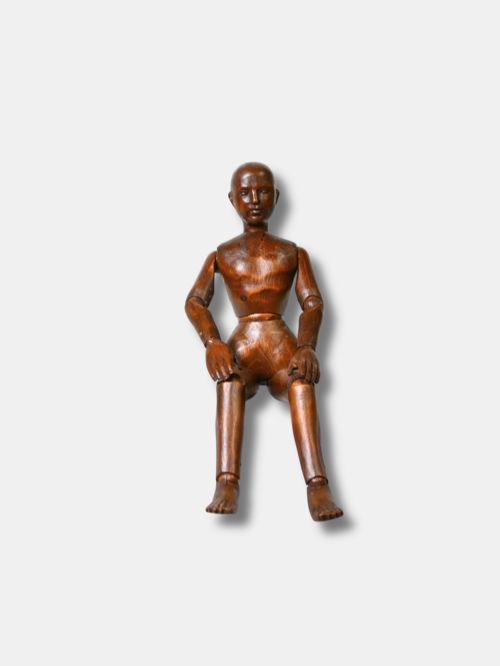
When you search for a carved wooden doll figure, you encounter a diverse group of sculptural objects designed for utility, artistry, or devotion. The selection ranges from nineteenth-century European artist lay figures with fully articulated joints to folk art jigger dolls and sacred processional sculptures.
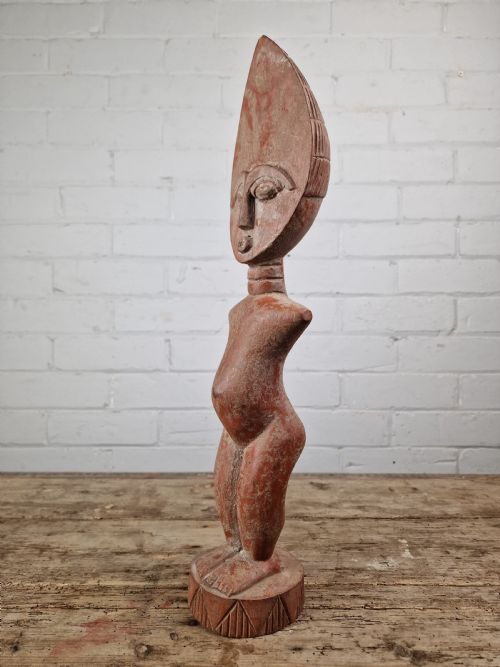
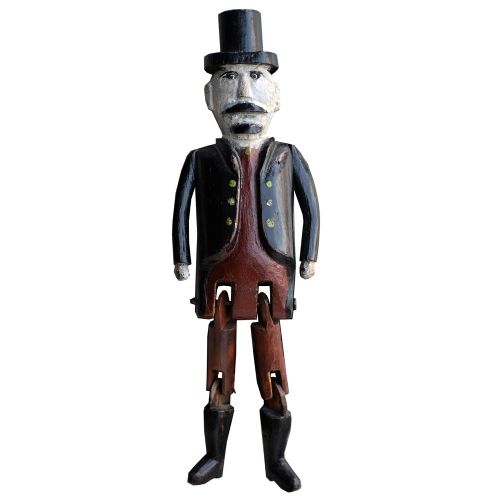
The pieces most frequently met on this page include nineteenth-century French artist mannequins and early twentieth-century folk art jigger dolls from English and American makers. Alongside these stand West African fertility figures, Middle Eastern puppets, and Italian Santos figures.
Originating across different continents and eras, these carved wooden doll figure examples serve varied purposes, from studio drawing aids and kinetic folk toys to religious iconography and tribal ritual.
How they were made
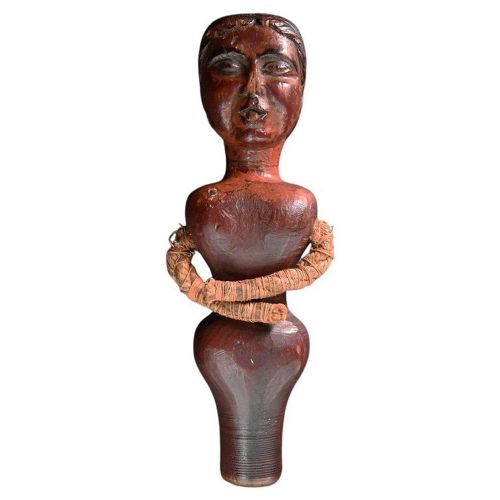
Articulated examples utilise internal metal pins or joints to connect limbs, allowing the mannequin to hold realistic poses for artists. Textiles such as silk occasionally appear as costume elements on processional or decorative figures.
Object types include artist mannequins, marionettes, processional figures, and tribal carvings from diverse geographic origins.
What varies in quality
The sophistication of the carving dictates much of the quality, separating rudimentary folk carvings from anatomically refined artist lay figures. Articulation mechanics also vary, with superior examples retaining smooth, functioning joints that hold tension without sagging.
Preservation of original surface finishes, including period pigments and gesso layers, defines the integrity of the piece. Greater visual depth emerges when natural wood patination combines with untouched historic paintwork.
The Carved Wooden Doll Figure Glossary
- Lay figure
- A jointed wooden mannequin used by artists to arrange drapery and study human anatomy. These figures often possess fully articulated limbs secured with internal pins.
- Jigger doll
- A kinetic folk art toy designed to dance on a wooden board when tapped by hand. They typically date from the early twentieth century.
- Santos figure
- A carved wooden devotional sculpture representing a saint or religious figure, often dressed in real textiles. They played a central role in domestic or processional worship.
- Gesso
- A plaster-like preparation mixture used as a smooth base for paint on wooden surfaces. It allows for fine detailing on the faces and bodies of antique figures.
- Folk art
- Utilitarian or decorative objects created by self-taught or traditional artisans rather than academic sculptors. These pieces emphasise regional character over strict academic proportion.
Carved Wooden Doll Figure: Frequently Asked Questions
How do jigger dolls work?
Jigger dolls are mechanical folk toys that dance or wiggle when placed on a vibrating surface or board. Their loose joints allow them to move rhythmically.
Originating as popular entertainment, they reflect early twentieth-century folk traditions.
What are Santos figures used for?
Santos figures represent holy personages and were carved for religious devotion, processions, and home altars. Catholic traditions utilised them extensively.
Many retain traces of pigment and gesso beneath remnants of historic costumes.
How old are these wooden figures?
The pieces span the nineteenth and early twentieth centuries, with dates stretching from the eighteen-eighties to the nineteen-thirties.
Materials, styles, and construction methods help distinguish the nineteenth-century French mannequins from later folk art items.