




Brown Wood Folk Figure
These brown wood folk figure pieces capture centuries of hand-carved character, offering collectors tangible stories carved directly from solid timber.
Brown Wood Folk Figure
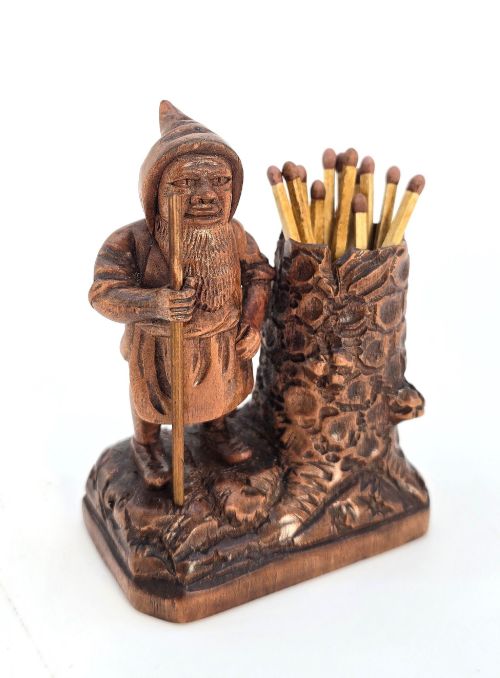
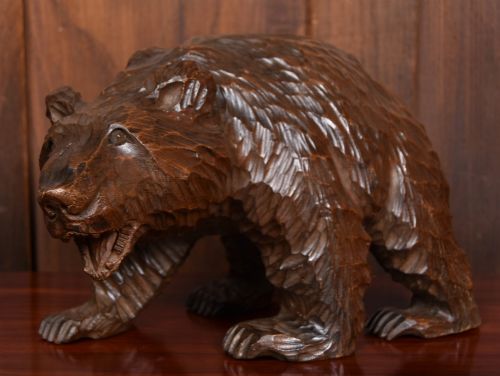
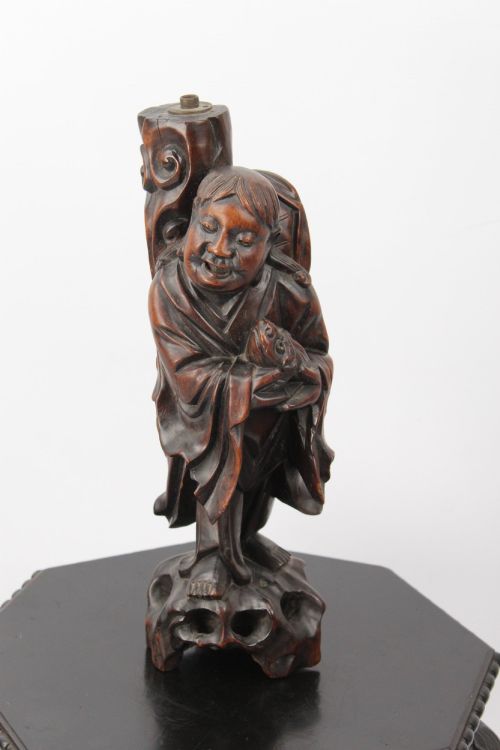
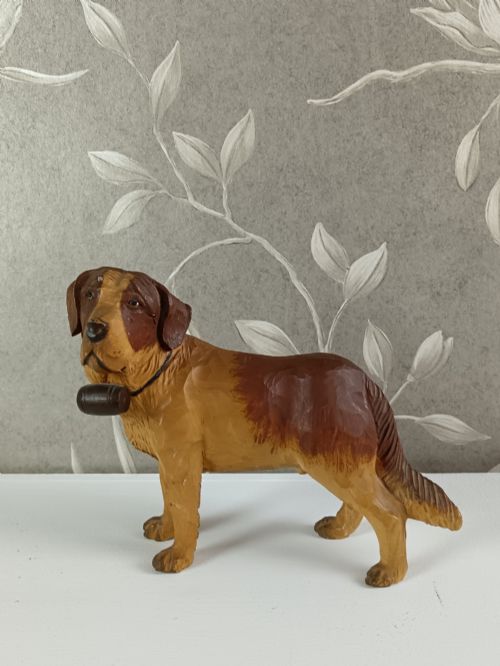
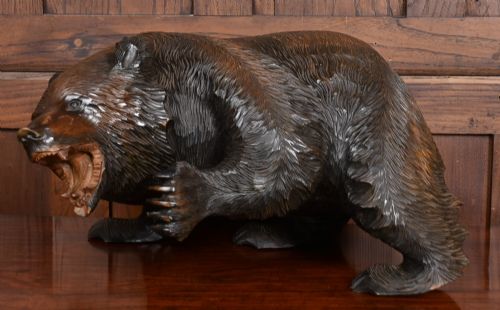
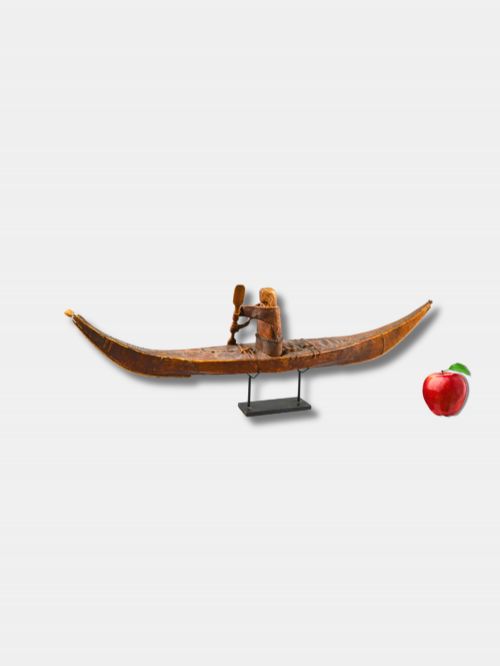
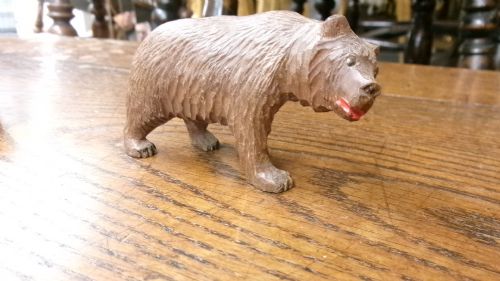
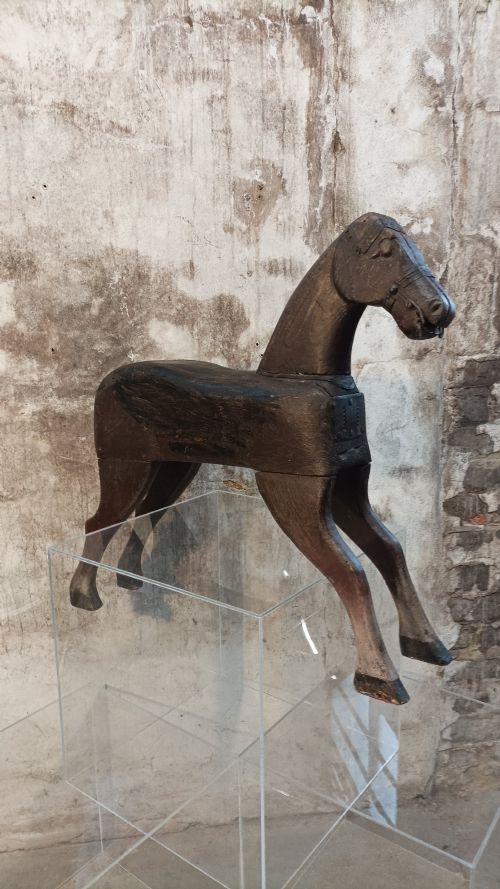
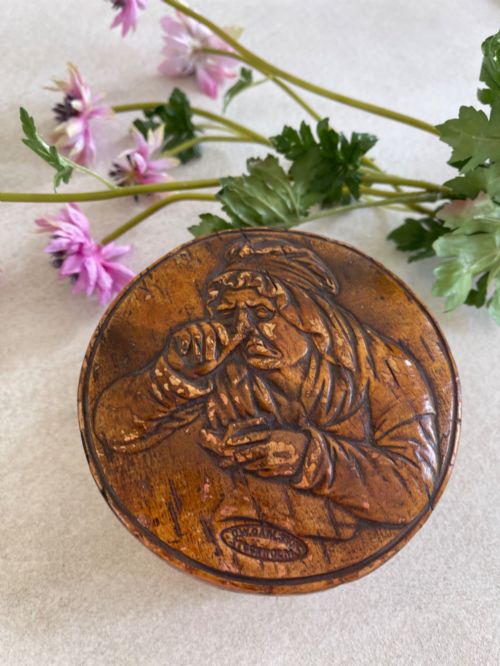
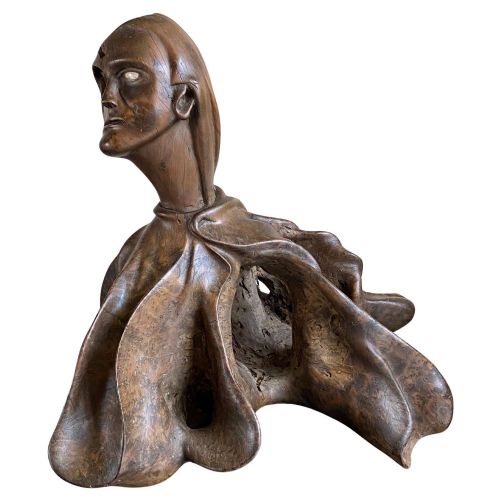
A brown wood folk figure brings together regional carving traditions, naive portraiture, and domestic animal sculptures spanning the eighteenth century to the mid-twentieth century. The selection ranges from European Black Forest bears and Swiss fawns to Japanese carvings, Chinese rootwood scholars, and British naive figures.
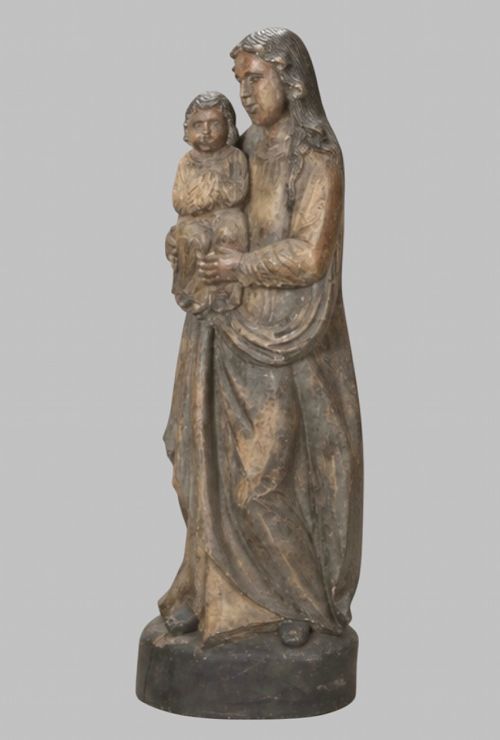
Most examples encountered here date from the nineteenth century and the early decades of the twentieth century. These include devotional saints, literary figures like William Tell, fairground models, and utilitarian match holders or nutcrackers shaped as human and animal forms.
Materials and Techniques
Carvers shaped these pieces primarily from solid woods including walnut, linden wood, hardwood, and burr root wood. Artisans utilised sharp gouges and chisels to reveal the natural grain and texture of the timber.
Surface finish varies from plain waxed grain to targeted paint application, with occasional glass or metal stud eyes added to give expression to animal and human subjects.
Listings incorporate nineteenth-century European wood carvings alongside twentieth-century Russian, Ukrainian, and Asian folk objects.
Assessing Quality
The handling of the material dictates distinction, where visible tool marks demonstrate individual hand execution rather than mechanical mass production.
Franz Keller
The Brown Wood Folk Figure Glossary
- Folk Art
- Objects created within a vernacular tradition by self-taught or local artisans rather than trained academic sculptors. These items often prioritize utility and direct expression over strict classical proportion.
- Black Forest
- Carved wooden sculptures originating from the Brienz region of Switzerland and the Black Forest area of Germany. They typically depict bears, forest animals, and peasant figures in walnut or linden wood.
- Root Wood
- Timber shaped from the gnarled underground root system of a tree, prized for its twisting natural contours. Chinese carvers frequently exploited these organic shapes to form figures of scholars and immortals.
- Linden Wood
- A pale, fine-grained timber commonly used by European carvers for detailed figurative work. Its even texture allows for crisp undercut details without splintering.
- Dummy Board
- A flat wooden figure painted to simulate a person or pet standing in a room. These life-sized or scaled panels served as silent companions or decorative decoys in historic interiors.
Brown Wood Folk Figure: Frequently Asked Questions
What is a brown wood folk figure?
A brown wood folk figure is a hand-carved sculpture depicting people, animals, or cultural characters made from various timber species.
These objects span domestic ornaments, toys, and functional items produced by regional carvers over the past three centuries.
How do I care for wooden folk art?
Keep carved wooden pieces away from direct heat sources and dramatic humidity fluctuations to prevent splitting.
Dust gently with a dry, soft brush and avoid applying modern chemical polishes to historic wax or bare wood surfaces.
How are periods told apart?
Dating relies on tool marks, timber choice, and the distinct stylistic conventions of periods like the Victorian era or Edwardian times.
Wear patterns, patination on the wood, and documented maker signatures also help establish the chronological origin.
Were these figures meant for display?
Many figures served practical daily roles alongside decorative display, functioning as nutcrackers, match holders, or table lamps.
Other examples, such as devotional saints and naive animal carvings, were made purely for domestic display or religious observance.