





Naive Folk Art Carving
These pieces of naive folk art carving are unpretentious sculptures and objects shaped by untrained hands, prized for their directness and character.
Naive Folk Art Carving
A search for naive folk art carving reveals a diverse group of objects shaped outside the formal academic traditions of their eras. These pieces include figures, animals, boxes, and maritime items that reflect local customs and personal vision rather than strict artistic rules.
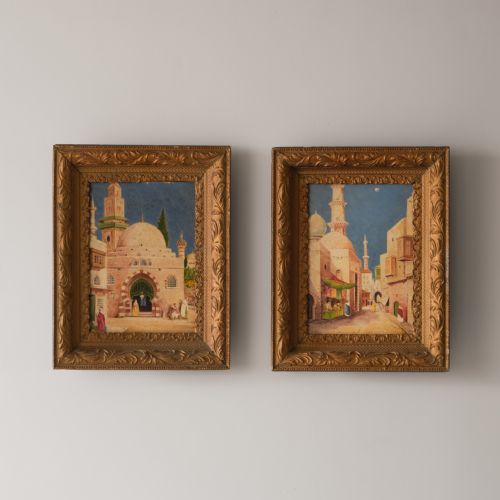
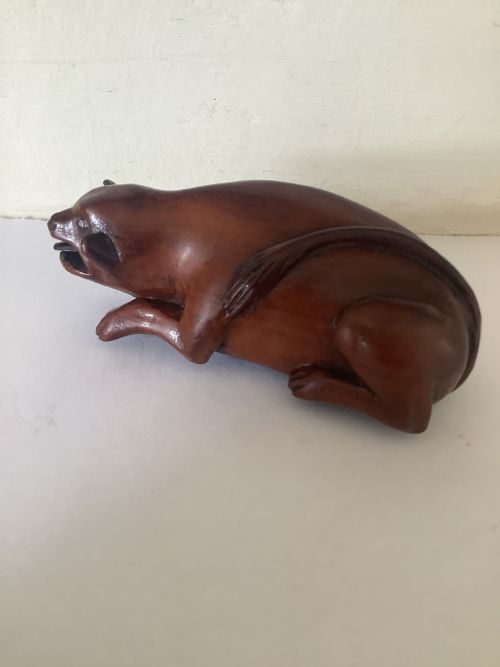
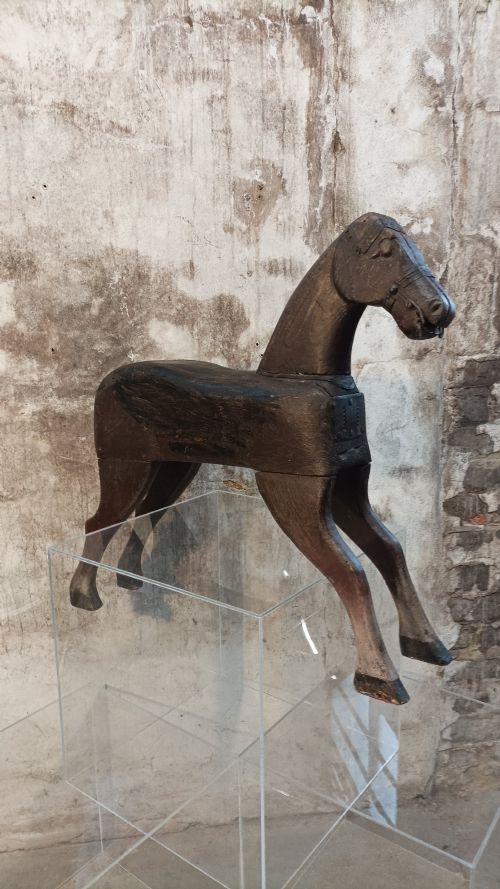
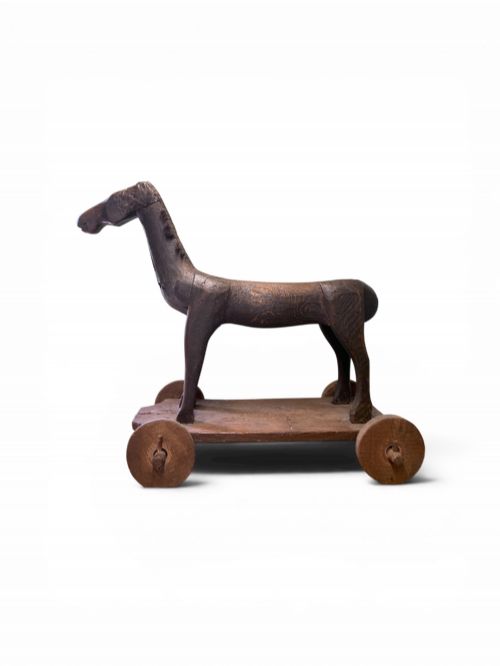
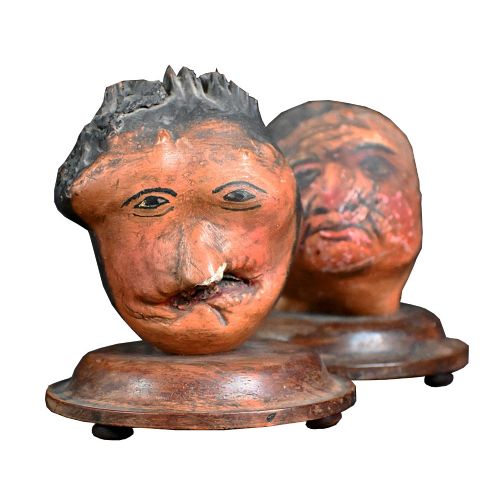
The inventory on this page is dominated by nineteenth-century examples alongside works from the eighteenth and early twentieth centuries. Figures of horses, human heads, and sailors sit alongside painted wooden sculptures and carved containers.
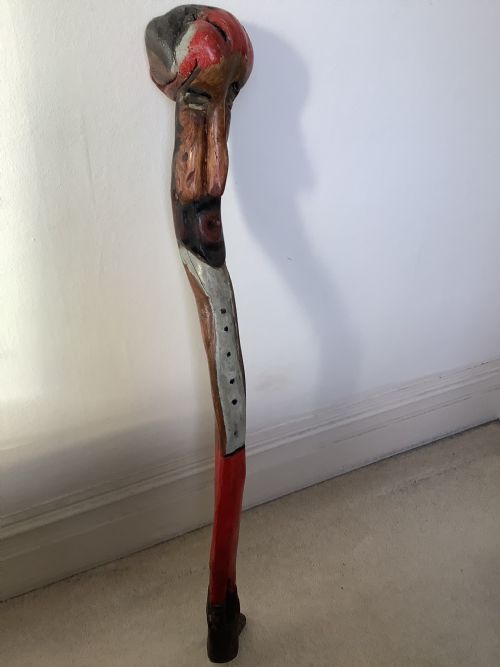
Most items emerge from British, European, and American traditions, utilising readily available materials to create functional items or purely decorative sculptures. Buyers encounter everything from small snuff boxes to substantial rocking horses and walking sticks.
Materials and construction methods
Wood serves as the primary medium across these works, ranging from standard timber and oak to hardwood, thorn wood, and coconut shell. Makers utilised pocket knives, simple chisels, and saws to shape the material directly, often leaving tool marks visible on the surface.
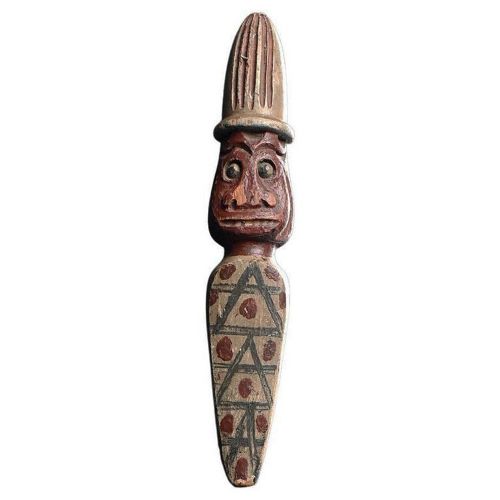
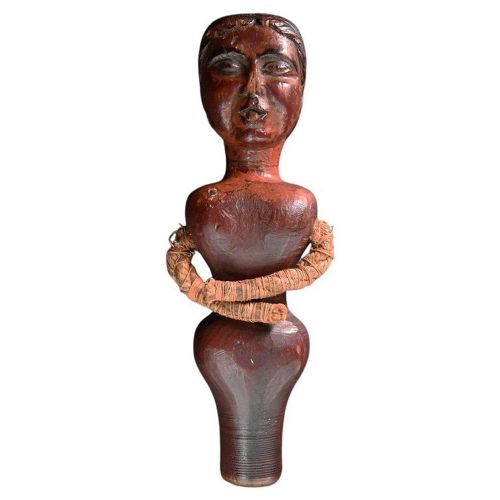
Many objects receive a layer of paint or polychrome decoration to add detail or colour, while others rely on the natural grain of the carved wood. Assemblage appears in pieces like branch figures and dioramas, where found elements join together with simple fixings.
One nineteenth-century maker transformed a humble tree branch into a figure, proving that art often starts in the nearest hedge.
Evaluating the standard of carving
Quality in these carvings rests on the strength of the maker's vision and the expressiveness of the form. Pieces that capture a convincing posture or personality with minimal detail stand apart from those that merely copy life without rhythm.
Surface preservation plays a major role in the overall integrity of the object. Original painted surfaces, honest wear from handling, and patination accumulated over centuries contribute significantly to the visual weight of a piece.
The Naive Folk Art Carving Glossary
- Folk art
- Artistic work created within a cultural tradition by people without formal professional training. These objects often serve practical purposes or record local community life.
- Naive art
- Visual art created by a person who lacks the formal training and education of a professional artist. The style is characterised by a childlike simplicity in perspective and detail.
- Polychrome
- The practice of decorating architectural elements, sculpture, or pottery in a variety of colours. In these carvings, it refers to original painted finishes applied to the wood.
- Snuff box
- A small hinged box used for holding snuff, a form of powdered tobacco. Many surviving examples feature intricate carvings on the lid and body.
- Diorama
- A three-dimensional full-size or miniature scene. The examples seen here typically depict historical or maritime subjects housed within a protective case.
Naive Folk Art Carving: Frequently Asked Questions
What is naive folk art carving?
These pieces are three-dimensional objects and sculptures made by makers without formal academic training. They encompass figures, animals, and household items shaped from wood and other materials.
The appeal lies in their directness and individuality. Each piece reflects the personal interpretation and resourcefulness of the person who made it rather than prevailing academic standards.
How old are these carved pieces?
The items span several centuries, with the majority originating from the nineteenth century. Earlier examples from the eighteenth century and later pieces from the early twentieth century also appear.
Dating is typically determined by the materials, tool marks, style of the carving, and any surviving surface decoration or paint. Wear patterns also offer clues to the age of the object.
How do I display folk art?
These carvings suit simple placement on shelves, tables, or mantelpieces where their sculptural forms can be appreciated from multiple angles. They pair well with both modern and traditional interiors.
Protecting them from direct sunlight and stable humidity levels helps preserve the wood and any original painted surfaces over time.