


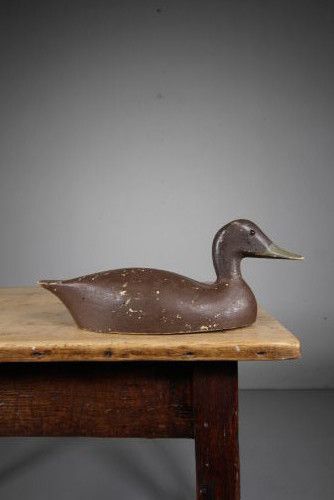

Painted Wood Folk Art
Painted wood folk art gathers hand-crafted objects and vernacular paintings shaped by local makers across centuries.
Painted Wood Folk Art
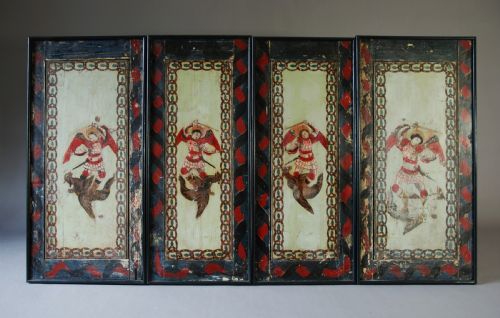
When you search for painted wood folk art, you find practical items, figures, and panels created outside academic traditions by makers using local materials. These pieces carry the visual language of rural communities, maritime trades, and domestic life from the eighteenth century into the twentieth.
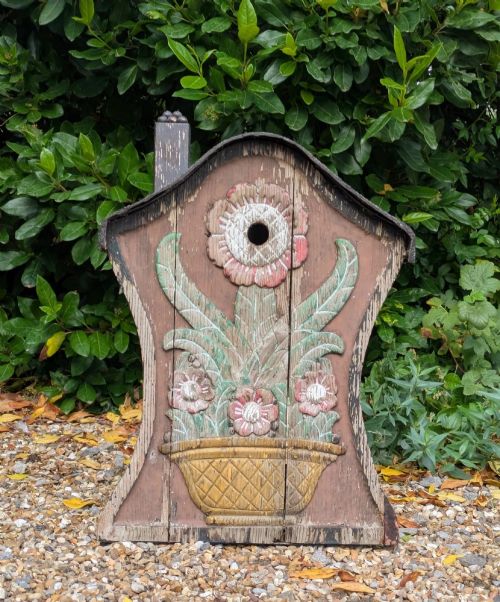
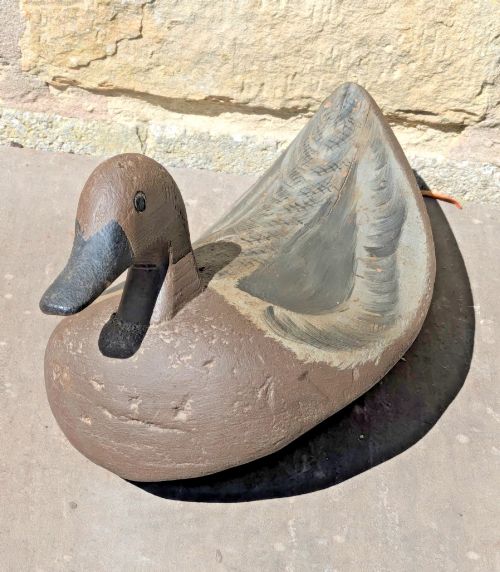
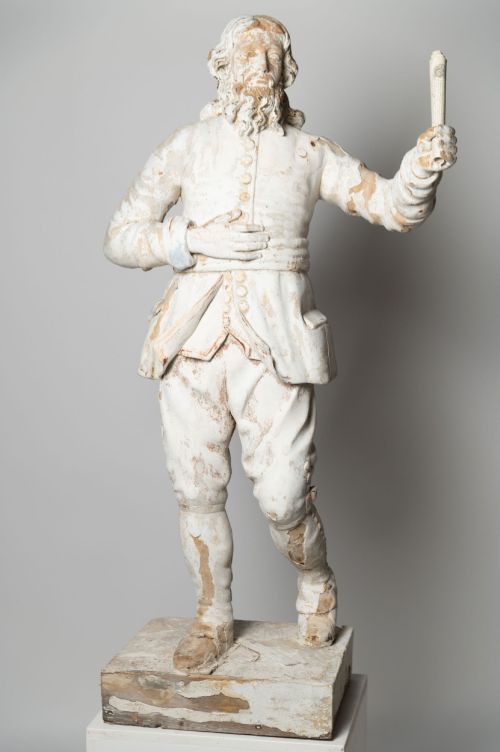
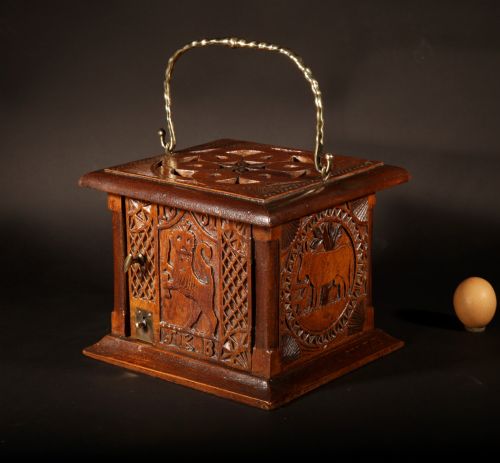
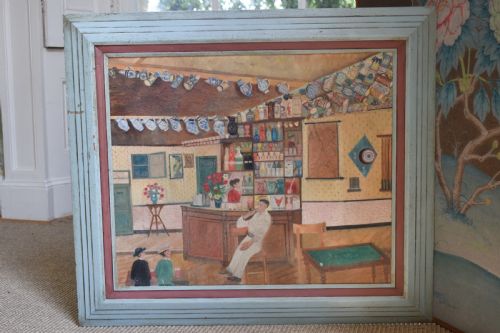
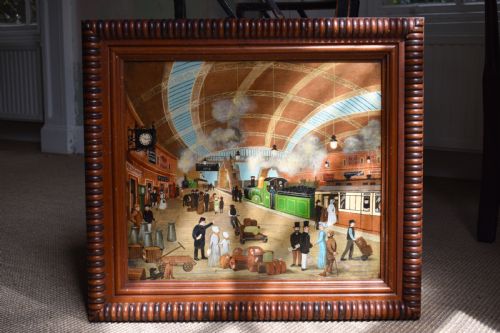
You meet carved decoy ducks, trade signs, scratch-built models, and naive oil paintings on pine or canvas. Many pieces show the marks of everyday use, retaining layers of original or later pigment that record how households and trades decorated their surroundings.
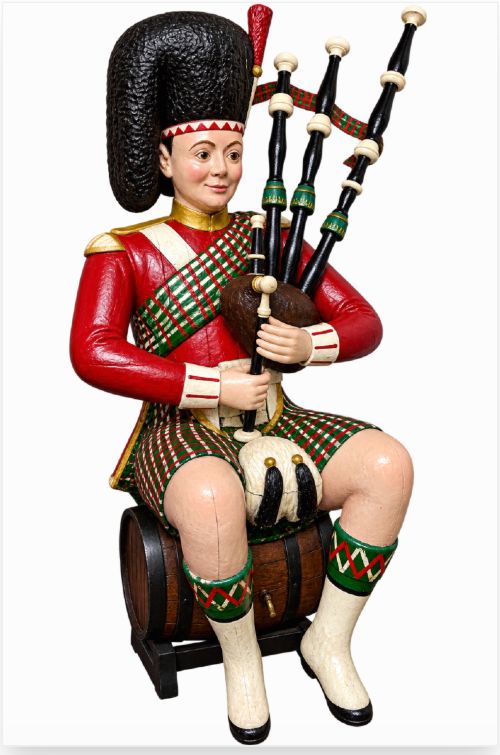
The selection ranges from Swedish painted bowls and Italian religious statues to English decoy pigeons and small household containers. Each object represents an individual maker solving a local need with simple tools and available timber.
How they were made
Makers shaped native softwoods and hardwoods like pine and timber using basic hand tools, often combining carved sections with joined panels. Chip carving, turning, and simple joinery formed the structural basis for boxes, furniture, and figures.
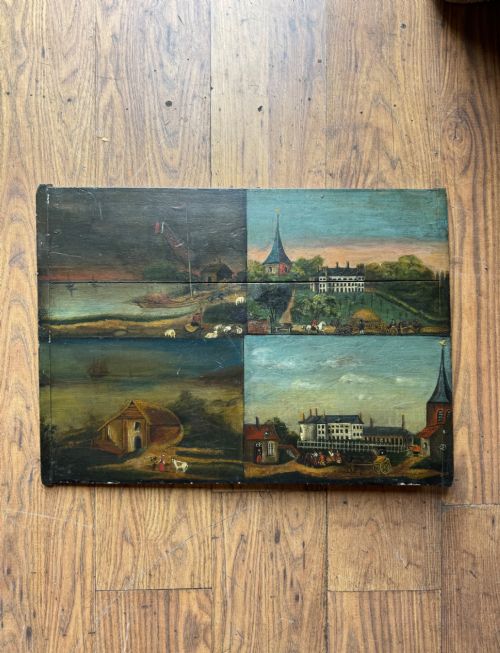
Listings feature eighteenth-century pine panels alongside twentieth-century carved wooden figures and oil paintings.
What varies in quality
The strength of a piece lies in the confidence of its carving and the character of its surface decoration. Direct, unpretentious handling of form separates works with strong visual presence from mechanical reproductions.
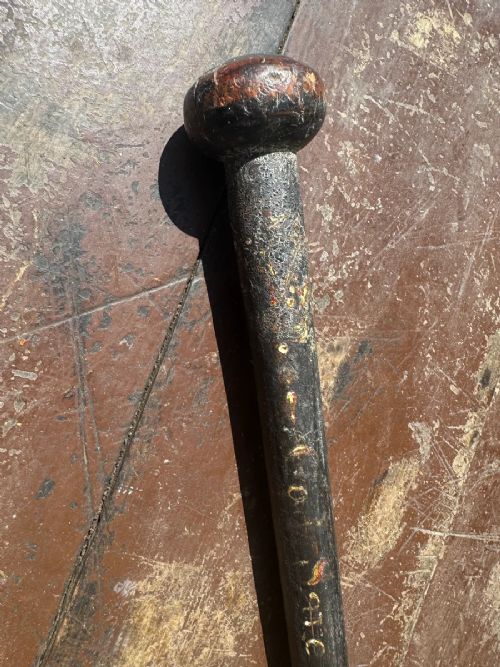
Surviving pigment preserves the historical layer of an object; untouched surfaces with natural wear carry greater integrity than heavily restored or later painted finishes. The integration of maker marks, dates, or specific provenance adds documentary weight to individual pieces.
R.D. Roberts·J Brown
The Painted Wood Folk Art Glossary
- Naive art
- Visual work created by self-taught makers lacking formal academic training, often characterised by a direct perspective and unpretentious execution. This style relies on personal observation rather than strict rules of proportion.
- Decoy
- A carved and painted wooden bird or animal used by hunters to attract wildlife. These functional objects now find appreciation for their sculptural form and surface paint.
- Diorama
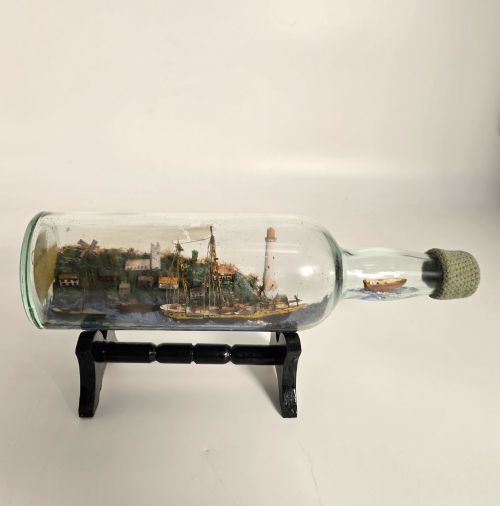
- A three-dimensional scene built inside a box or glass case, often depicting ships, maritime battles, or domestic interiors. Makers utilised carved wood, painted backdrops, and model rigging to create depth.
- Treen
- Small handmade wooden household objects and tableware produced before the widespread adoption of plastics and cheap ceramics. The category encompasses containers, boxes, and small utilitarian items.
- Trade sign
- A painted board or carved figure displayed outside a shop to indicate the profession or goods sold within. These bold objects relied on clear lettering and imagery to catch the attention of passers-by.
Painted Wood Folk Art: Frequently Asked Questions
What is painted wood folk art?
These items are utilitarian objects, models, and paintings created by self-taught makers or regional artisans working outside academic traditions. They include decoys, trade signs, household boxes, and carved figures.
Makers utilised local timbers and accessible pigments to decorate practical items or record scenes from everyday life, resulting in pieces with direct visual character.
How were these pieces used?
Many objects served functional roles in homes, shops, and rural trades, from storing household goods to marking business premises. Decoys lured waterfowl, milkingstools provided seating in barns, and painted panels decorated domestic interiors.
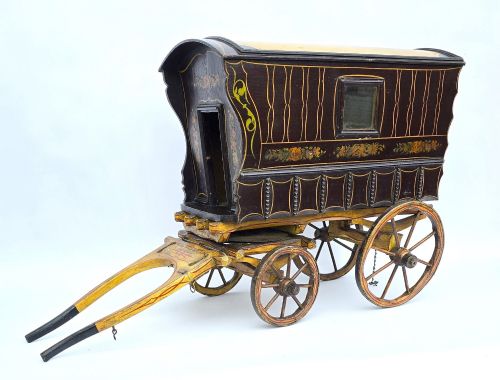
Other items, such as model carriages and ship dioramas, recorded hobbies, trades, or maritime events, serving as personal tributes or display pieces.
How do I live with painted wood folk art?
These pieces integrate easily into modern interiors by introducing warmth, texture, and a sense of history to a room. Their modest scale allows them to sit comfortably on shelves, tabletops, or walls.
Keep wooden items away from direct heat sources and strong sunlight to protect fragile painted surfaces and prevent the timber from drying out.
How can I tell periods apart?
Dating relies on combining the construction methods, tool marks, and style of the paint layer with any inscriptions or dated signatures on the piece. Eighteenth-century items often show simpler joinery and early pigment types, while nineteenth- and twentieth-century examples reflect changing industrial tools and domestic tastes.
Comparing the wear patterns and material preparation to known dated examples helps establish the likely period of origin.