


American Folk Art Sculpture
These american folk art sculpture pieces bring vernacular character into a room, spanning carved wood figures, trade signs, and working decoys.
American Folk Art Sculpture
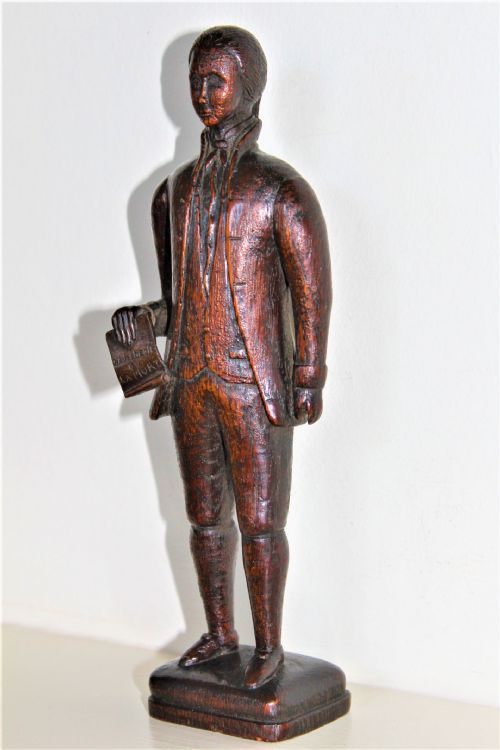
The selection on this page ranges from eighteenth-century carved wood historical figures to early twentieth-century whirligigs and jigger dolls. Decoys and trade signs also appear, representing the practical domestic and commercial output of various periods.
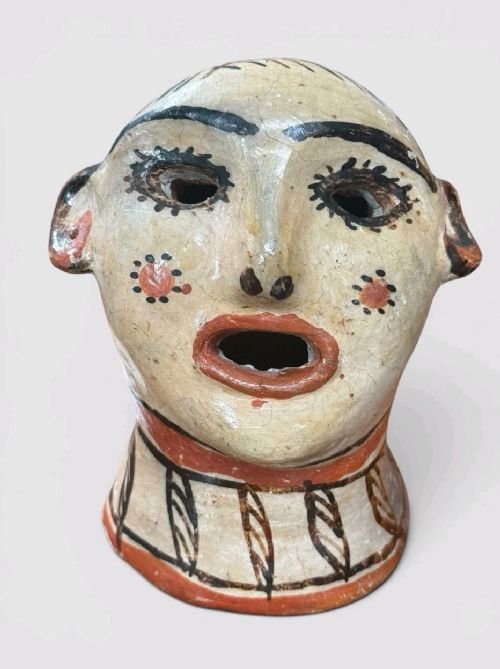
Origin points span domestic American craftsmanship alongside related traditions such as Peruvian pottery busts. Buyers meet both functional objects like loon decoys and purely decorative carvings within the available selection.
Materials and construction
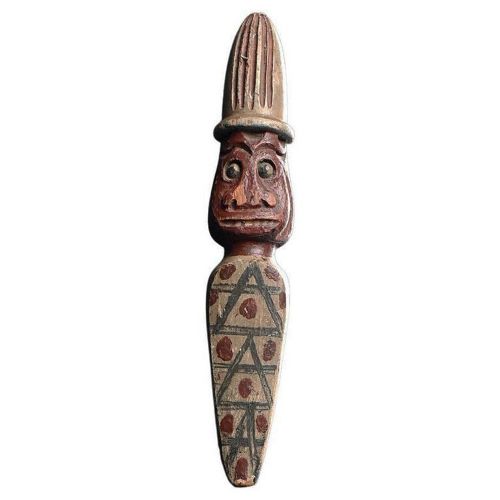
Wood serves as the primary medium, shaped through carving techniques to form trade signs, whirligigs, and historical figures like Patrick Henry. Makers often applied paint and polychrome slip pigment directly to the carved surfaces to add colour and detail.
Clay and terracotta appear in figural pottery forms such as tribal busts, shaped by hand and finished with natural pigments. Working mechanisms in whirligigs and jigger dolls incorporate simple joints that allowed wind or motion to animate the wooden figures.
American Folk Art Sculpture Retail Price Guide 2026
Typical asking prices for american folk art sculpture among the pieces listed under this phrase on Sellingantiques today, from the lower quarter to the upper quarter. They describe what is for sale here now, not the wider market.
Listings feature works from the eighteenth, nineteenth, and twentieth centuries, utilising carved wood, terracotta, and polychrome paint.
Evaluating quality and execution
Quality in these sculptures rests upon the strength of the carving and the preservation of original painted surfaces. Stronger pieces show confident tool marks and balanced proportions, whereas lesser examples rely on heavy restoration or lack anatomical clarity.
The retention of early polychrome pigment and slip adds considerable depth to a piece, as weathered paint surfaces record decades of exposure and use. Pieces with worn but intact original decoration outrank those stripped to bare wood or repainted later.
H.S Andy Anderson
The American Folk Art Sculpture Glossary
- Whirligig
- A wind-driven mechanical toy or folk sculpture featuring moving parts that rotate or strike when the wind blows. These kinetic pieces served as garden ornaments or rooftop weather vanes.
- Trade sign
- A large carved or painted object displayed outside a shop to advertise goods or services. Figures like American Indians served this commercial purpose before modern signage took over.
- Decoy
- A carved wooden bird or animal used by hunters to attract wildlife. Makers shaped these objects with precise silhouettes and subtle painted feather patterns.
American Folk Art Sculpture: Frequently Asked Questions
How were whirligigs used?
Whirligigs were placed outdoors where wind power activated their moving parts, such as arms turning or propellers spinning. They functioned as entertaining garden ornaments and indicators of wind direction.
Many surviving examples show clever mechanical joints that allowed the wooden figures to perform repetitive motions in a breeze.
How do I identify a trade sign?
Trade signs were carved on a larger scale than domestic ornaments to catch the eye of passersby from the street. Subjects often included figures associated with specific trades or regional history.
These sculptures bear sturdy mounting points and thick layers of exterior paint intended to withstand weather exposure over decades of commercial use.
Why is original paint important?
Original paint surfaces preserve the authentic visual history of a carving, showing how it looked during its working life. Unaltered pigment layers reveal the precise colours chosen by the maker.
Pieces retaining their first coat of paint command greater interest than those stripped down or repainted during subsequent maintenance.