


Carved Wooden Trade Figure
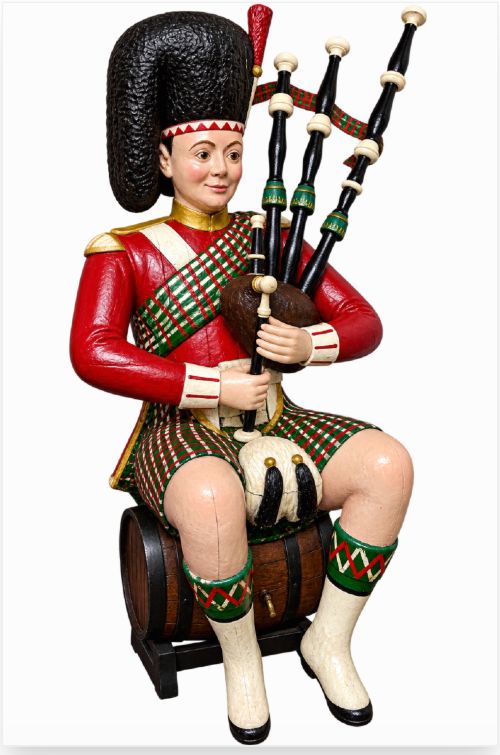
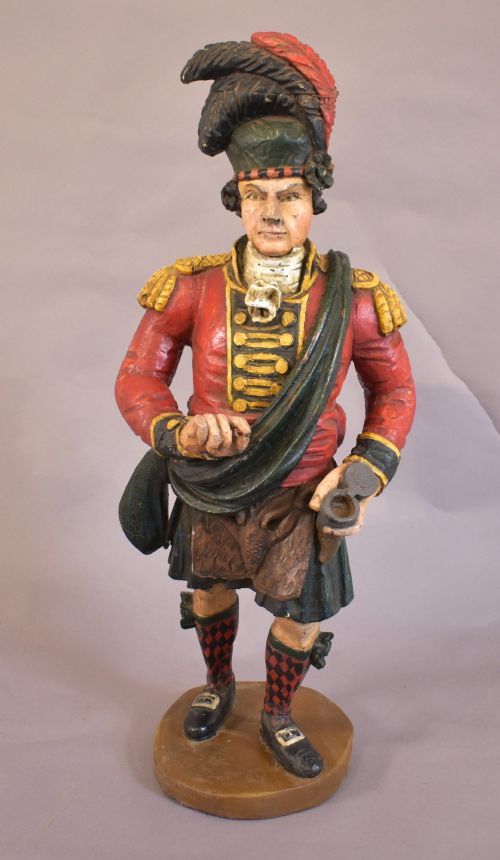
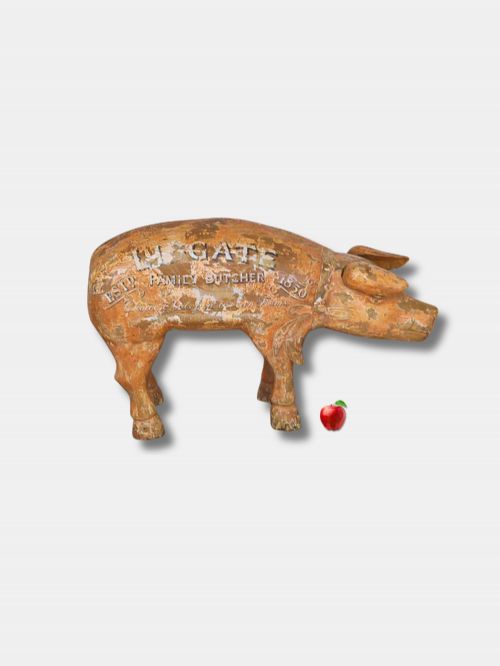
These carved wooden trade figure examples are striking commercial sculptures made to advertise shops and street vendors.
Carved Wooden Trade Figure
A carved wooden trade figure represents a distinct commercial sculpture designed to advertise a shop, market stall, or street trade. When you search for a carved wooden trade figure, you encounter items shaped as highlanders, butchers, flower sellers, cricketers, and roosters. These pieces originate from the eighteenth century, the nineteenth century, and the early twentieth century.
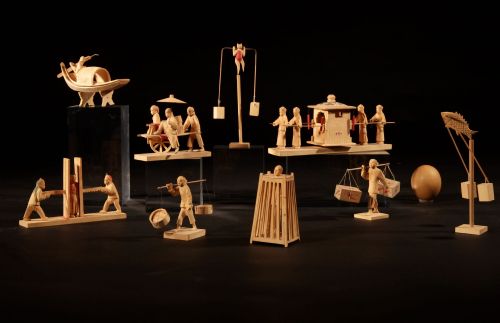
The selections available here span British, French, Chinese, and American traditions, often categorized under folk art. You will find items ranging from large shop displays and trade signs to life-size sports figures and smaller polychrome sculptures. Each object functioned as an outdoor or interior sign to draw custom before modern signage took over.
How they were made
Makers shaped these pieces primarily from solid wood, utilising traditional carving techniques to form substantial figures and shop displays. Iron elements occasionally provided structural support or mounting points for these large commercial objects.
Listings feature wood and cast iron materials across Victorian, Regency, and Edwardian periods.
What varies in quality
The standard of carving determines much of the visual success, distinguishing lifelike human forms and detailed animal displays from simpler, blocky executions. Finer pieces capture the specific clothing, tools, and postures associated with historical trades.
The preservation of original paint and polychrome surfaces greatly influences the character of each sculpture. Patina accumulated from years of commercial use adds depth, provided the underlying wood remains sound and stable.
The Carved Wooden Trade Figure Glossary
- Folk art
- Artistic work created within a traditional culture by self-taught or local artisans, lacking formal academic training. These pieces often serve practical, domestic, or commercial functions.
- Polychrome
- Decorated in a variety of colours. This technique applied paint directly to carved wood surfaces to highlight details on trade figures and shop displays.
- Gesso
- A plaster mixture used as a smooth base for paint on wood or canvas. It helped seal carved surfaces before final coloration.
- Trade sign
- An object or board displayed outside a shop to advertise the goods or services sold within. Sculptural trade figures functioned as three-dimensional versions of these advertisements.
Carved Wooden Trade Figure: Frequently Asked Questions
What is a carved wooden trade figure?
A carved wooden trade figure is an antique sculpture created to advertise a specific shop, profession, or market stall. These objects took the form of human vendors, animals, or symbols related to the trade.
They stood outside commercial premises to attract customers visually in eras before standard printed signage became common.
How were trade figures used?
Merchants placed these figures outside shop doors, on counters, or mounted them on walls to signal their trade to passersby. A butcher, tobacconist, or publican used them to draw the eye from the street.
Over time, exposure to the weather created distinctive wear on the painted surfaces of outdoor examples.
How do I date a trade figure?
Dating relies on the style of carving, the costume of the figure, and the condition of the underlying materials. Evidence from specific periods like the Regency or Victorian eras often reveals itself through clothing details and carpentry methods.
Physical indicators such as early paint layers and iron fixings also help establish the age of the piece.
Where did trade figures originate?
Trade figures emerged from various European, Asian, and American folk art traditions to serve local commerce. British, French, Chinese, and American workshops each developed distinct regional styles for their shop displays.
Makers tailored these sculptures to reflect the specific trades and characters common to their local markets.