
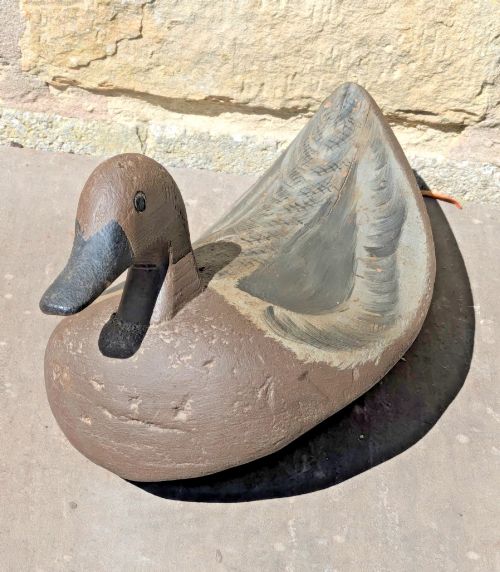
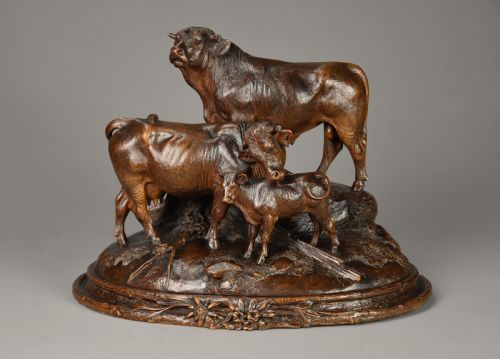
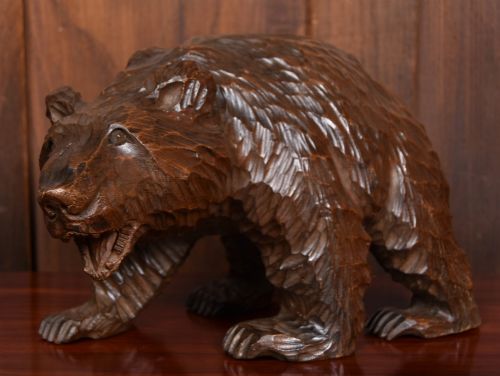
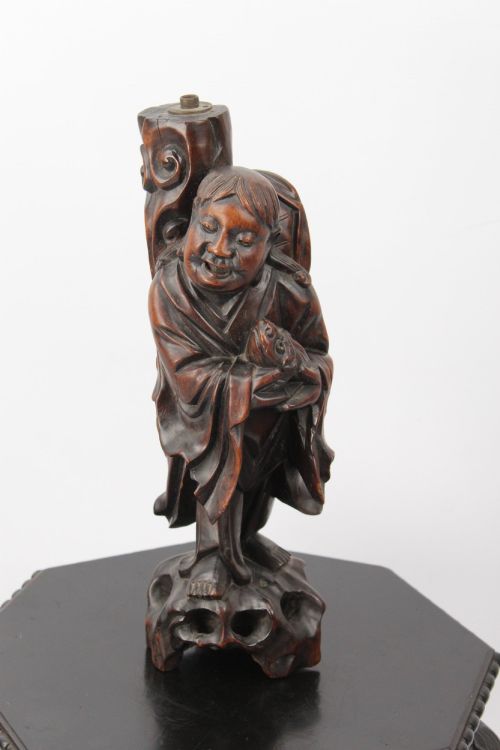
Brown Carved Wooden Statue
A brown carved wooden statue brings character to a room through centuries of diverse regional craftsmanship.
Brown Carved Wooden Statue
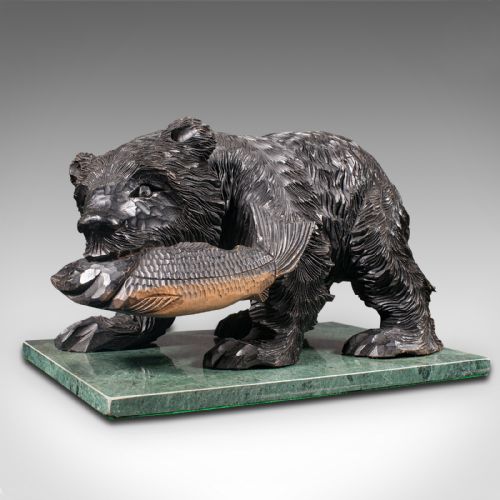
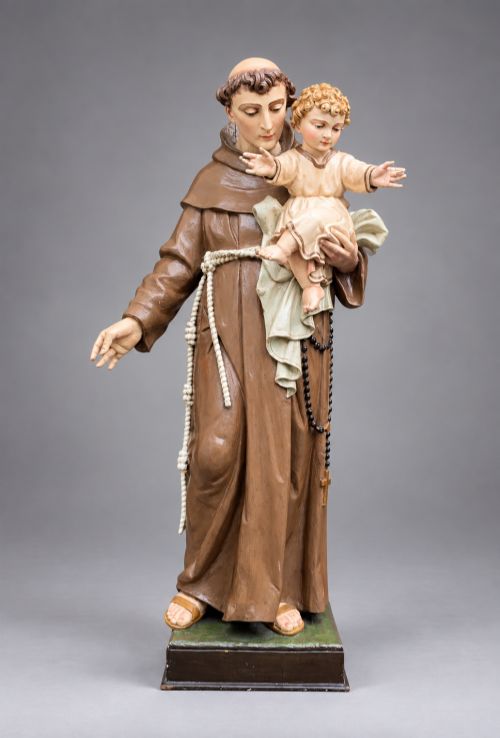
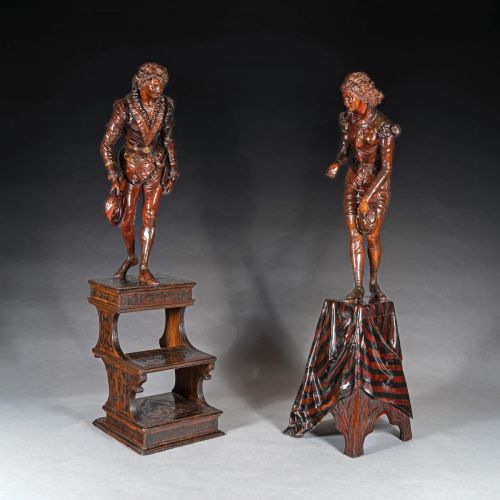
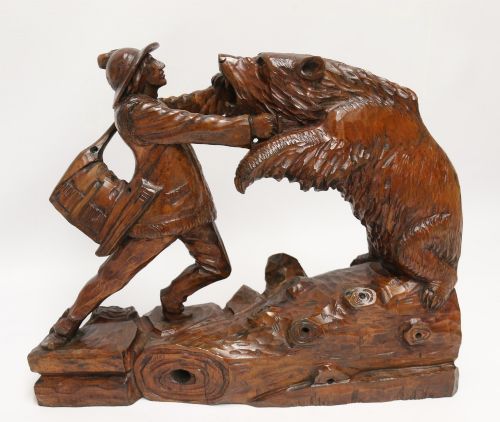
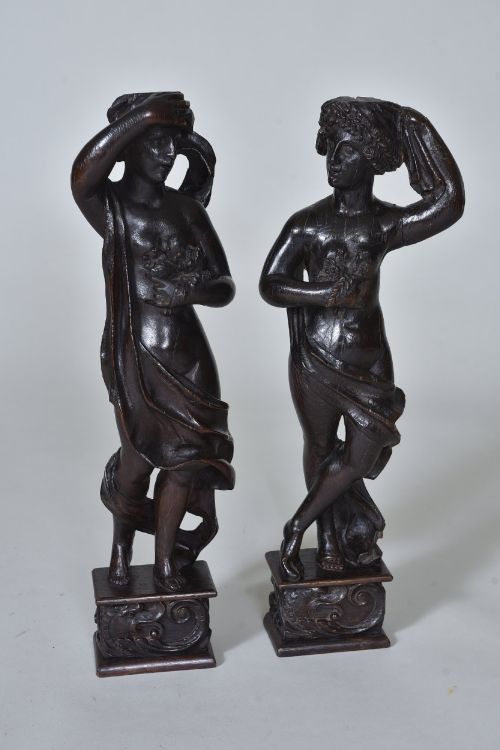
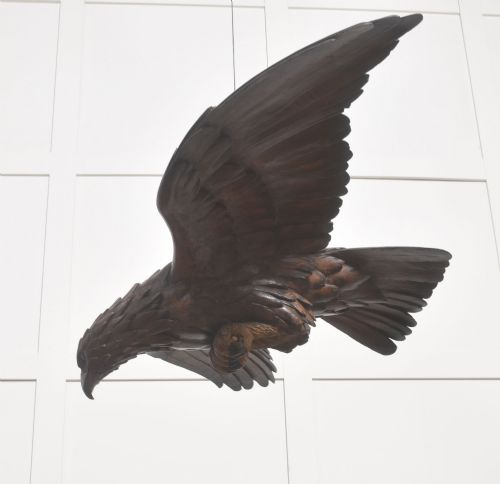
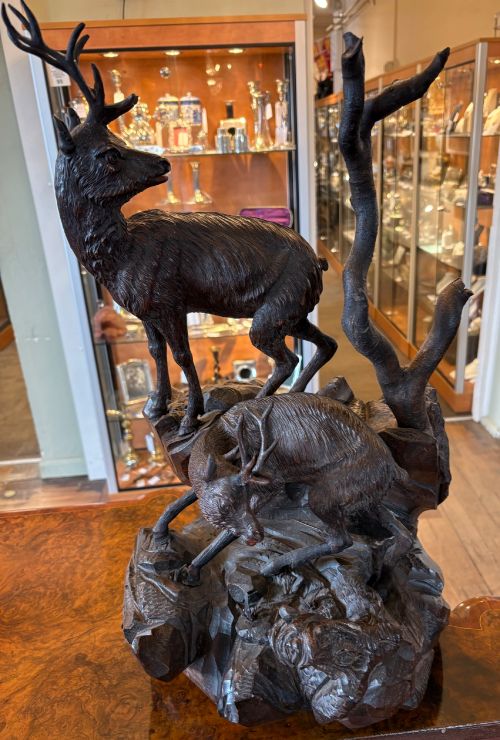
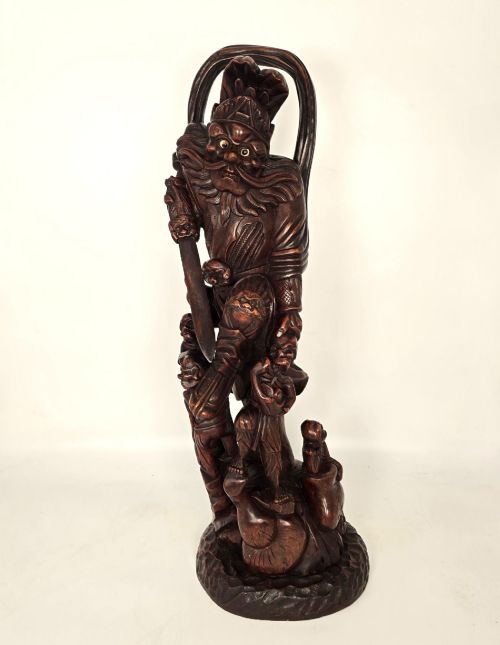
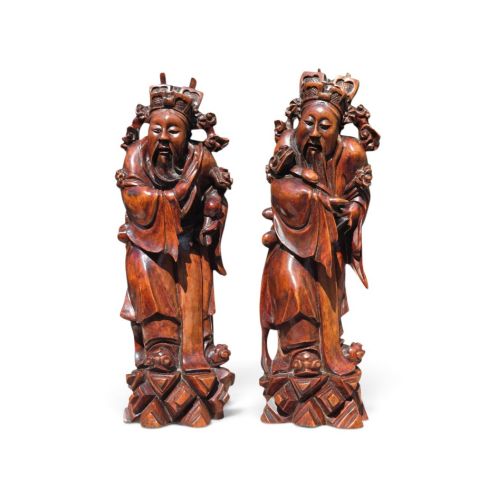
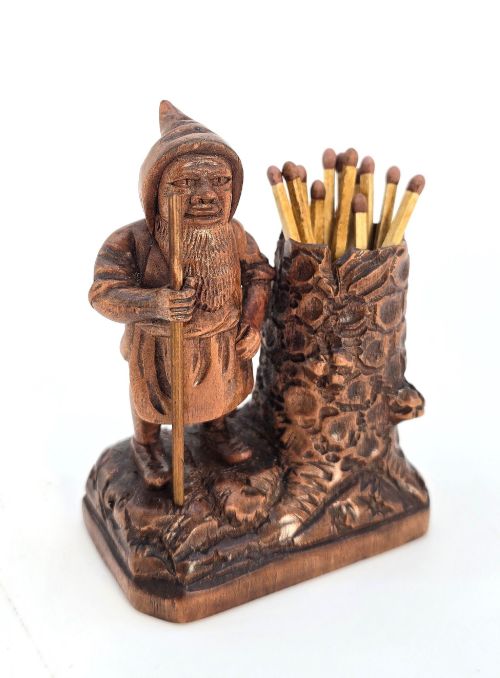
When searching for a brown carved wooden statue, collectors encounter an eclectic mix of sculptural forms spanning the eighteenth, nineteenth, and early twentieth centuries. These objects range from European devotional figures and Black Forest animal studies to monumental Chinese hardwood sculptures of deities and guardians.
Makers across diverse traditions utilise local timbers to depict human saints, mythical immortals, and lifelike animals. Each region employs distinct stylistic conventions, connecting domestic decorative objects with traditional ritual sculpture.
How they were made
Carvers work directly into solid timber blanks using traditional gouges, chisels, and knives to establish primary forms and intricate surface details. Walnut, oak, limewood, boxwood, and dense tropical hardwoods provide the essential structural medium for these sculptures.
Surface treatments vary significantly according to origin, with European and Asian pieces often displaying polished natural timber grain, applied lacquer, or polychrome paint layers. Certain works incorporate mixed metal mounts or glass stud eyes to enhance realistic or decorative effects.
Materials span native European walnut and oak alongside exotic hardwoods, boxwood, limewood, and applied polychrome paint.
What varies in quality
Quality in a brown carved wooden statue rests upon the anatomical precision of the carving and the fluidity of the movement captured in the timber. Superior examples demonstrate confident handling of musculature, drapery, and facial expression by the artisan.
The choice of material and depth of relief also separate standard workshop items from exceptional sculptural studies. Sculptures retaining original surface finishes, whether unblemished polished wood or authentic early polychrome pigment, hold greater aesthetic coherence.
J Huggler
The Brown Carved Wooden Statue Glossary
- Polychrome
- Decorated in multiple colours using paint or pigment applied directly to the wooden surface of a sculpture.
- Hardwood
- Dense timber derived from broad-leaved deciduous trees, providing a durable medium for intricate oriental and tribal carvings.
- Limewood
- A pale timber favoured by European carvers for its fine, even grain that allows for delicate undercutting and smooth finishing.
- Daoist Immortal
- A traditional Chinese figure representing legendary sages associated with longevity and spiritual attainment, commonly rendered in hardwood.
Brown Carved Wooden Statue: Frequently Asked Questions
How do I date a wooden statue?
Dating relies on tool marks, timber selection, stylistic conventions, and any visible maker signatures or stamps recorded on the piece. Comparing the patina and construction methods against known regional examples helps narrow the period.
Changes in finishing techniques and regional woodworking traditions also provide reliable indicators of age. Expert examination of wear patterns on the base further clarifies the history of the object.
Are Black Forest carvings always bears?
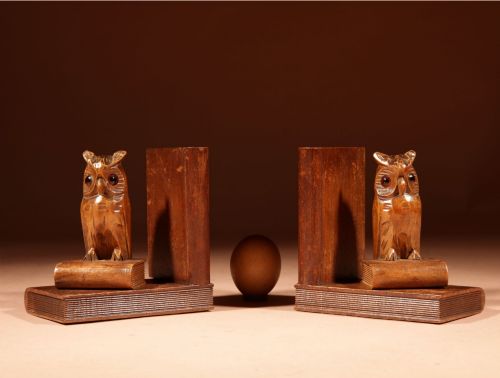
While bears remain the most recognisable output of the Black Forest region, artisans carved a wide variety of subjects. These include deer, owls, dogs, human figures, and functional items such as bookends and tobacco holders.
Craftsmen also produced elaborate forest furniture and architectural elements showcasing native wildlife. Each piece reflects the rich natural environment of the Swiss and German borderlands.
How should I clean antique wood?
Antique wooden sculptures require gentle maintenance using a soft, dry cloth to remove surface dust without disturbing the patina. Avoid using water, modern polishes, or chemical solvents that might strip historic wax or paint layers.
Maintaining a stable indoor humidity prevents the timber from splitting or warping over time. Professional conservation is recommended if structural repairs or deep cleaning become necessary.
What is a Santos figure?
A Santos figure represents a carved devotional image of a saint or holy person used in religious practices and processions. These sculptures frequently originated in Italy, Spain, or France, and often featured articulated limbs or provisions for vestments.
Many examples were carved from solid wood and occasionally finished with polychrome paint and gesso. They served a central role in domestic shrines and church interiors alike.