

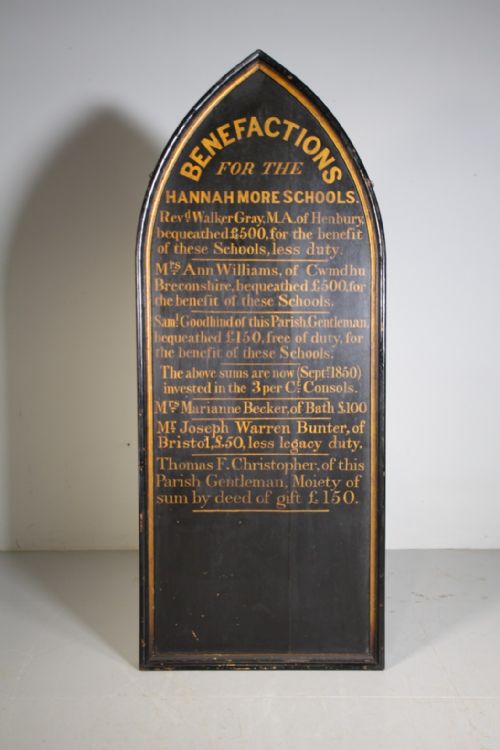


19th Century Trade Sign
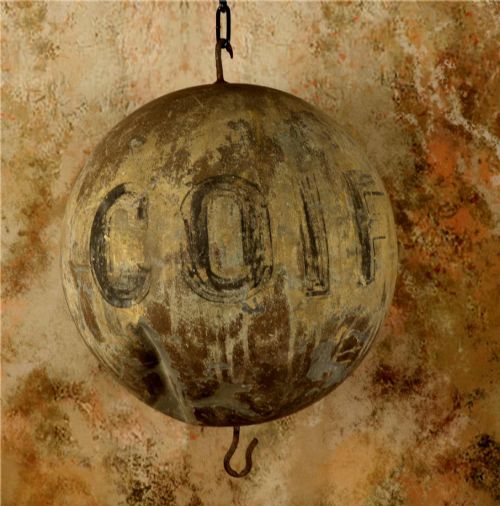
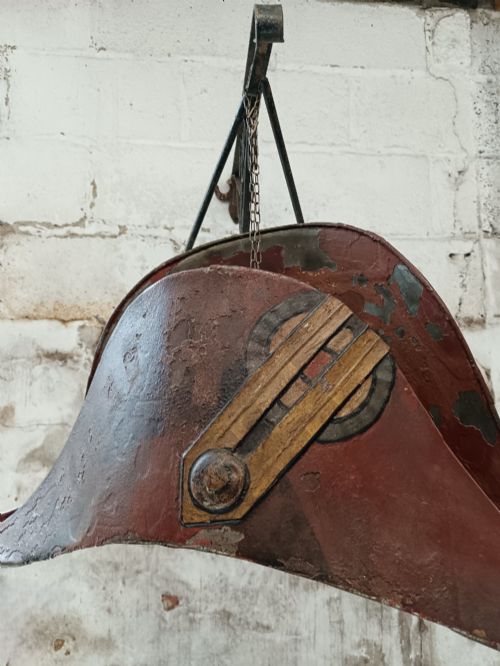
A 19th century trade sign brings direct commerce into a room, shaped as hats, watches, and mortars to draw the eye from the street.
19th Century Trade Sign
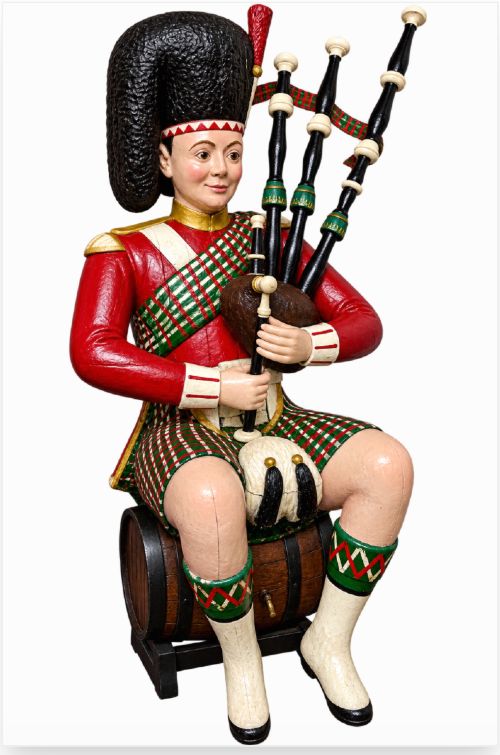
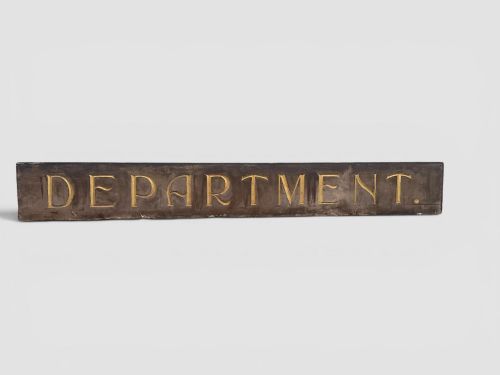
A 19th century trade sign encompasses functional signage, hanging markers, and advertising figures designed for Victorian commercial and industrial premises. These pieces take diverse physical forms, ranging from department store shop signs and advertising cart sides to sculpted pocket watches and apothecary pestle and mortars.
How They Were Made
Makers constructed these objects primarily from wood, painted pine, and sheet metal, integrating wrought iron brackets and copper elements for structural support. Toleware and painted tin provide lighter alternatives for hanging hat forms and specialised signage.
Surface decoration relies heavily on original paint applications applied directly to wood or metal substrates. Artisans shaped sheet metal and carved solid timber to create three-dimensional representations of everyday commercial goods.
19th Century Trade Sign Retail Price Guide 2026
Typical asking prices for 19th century trade sign among the pieces listed under this phrase on Sellingantiques today, from the lower quarter to the upper quarter. They describe what is for sale here now, not the wider market.
Materials across these listings span wood, iron, wrought iron, paint, copper, painted tin, sheet metal, and toleware.
What Varies in Quality
Distinction across the range rests upon the integrity of the original paint surface and the clarity of the sculptural form. Signs retaining their unblemished initial pigments demonstrate higher artistic intent than those subjected to later overpainting or heavy restoration.
The complexity of the commission also dictates standard, moving from flat painted cart sides to substantial carved wooden figures and heavy iron-mounted hanging signs. Depth of detail in the modelling directly reflects the original workshop capability.
The 19th Century Trade Sign Glossary
- Toleware
- Lacquered or enamelled metalware, frequently shaped into military bicorn hats for commercial display. This technique provides durable surfaces suited to exterior shop environments.
- Pestle and mortar
- A traditional apothecary symbol carved or formed into a trade sign. This medical implement denotes the premises of a chemist or pharmacist.
- Cart sides
- Flat wooden panels painted with advertising slogans or graphics. Merchants mounted these boards to transport vehicles for mobile promotion.
19th Century Trade Sign: Frequently Asked Questions
Where were these signs displayed?
Merchants mounted these boards and figures directly above shopfronts, along exterior walls, or suspended from iron brackets to catch the attention of passing street traffic.
Inside establishments, certain advertising figures and smaller pieces stood on counters or hung within the retail space to identify specific departments.
How do I care for original paint?
Preserving these surfaces requires stable indoor humidity and protection from direct sunlight, which causes pigment fading and flaking over time.
Dusting should occur gently with a dry, soft cloth, avoiding commercial cleaners or moisture that might lift fragile historic layers from the wood or metal.
Are these signs weatherproof?
While originally built to endure Victorian street conditions, surviving examples now require indoor environments to protect their vulnerable painted wooden and sheet metal structures.
Moisture and frost will degrade exposed timber and accelerate corrosion on iron and toleware components.
How are different trades identified?
Makers shaped signs to mirror the exact goods sold within, such as pocket watches for jewellers, hats for outfitters, and pestle and mortars for apothecaries.
Lettering on cart sides and department store boards explicitly named the merchant or the scale of the establishment.