

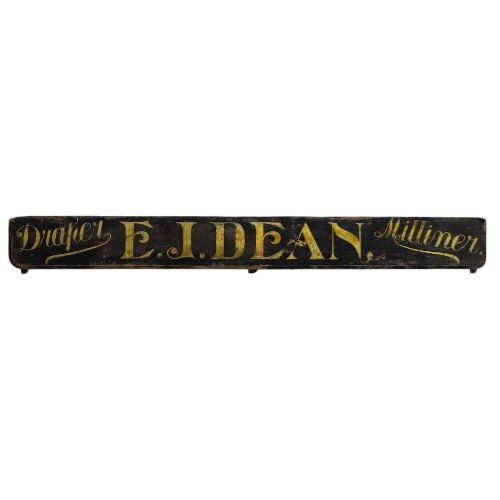
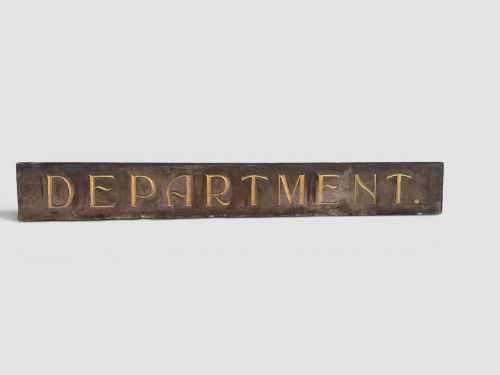
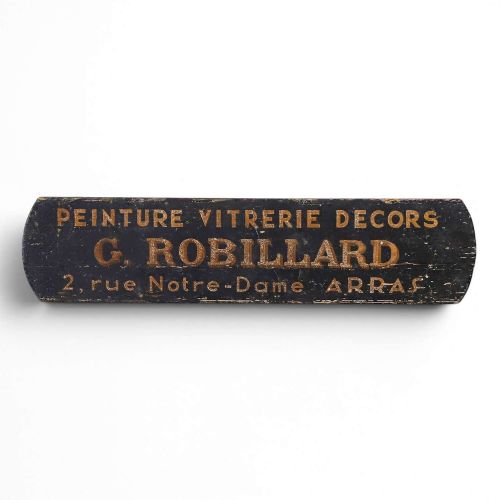
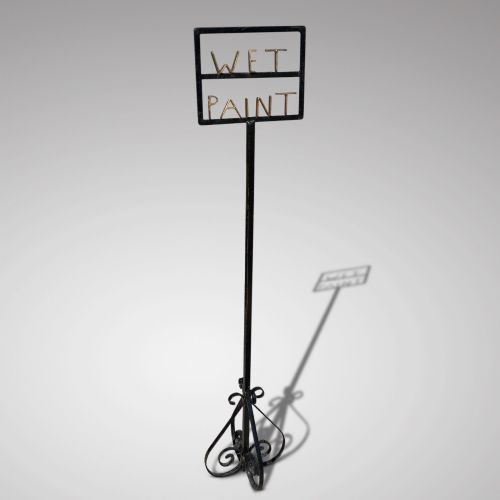


Antique Commercial Shop Sign
An antique commercial shop sign carries the grit and honest lettering of past high streets into a room.
Antique Commercial Shop Sign
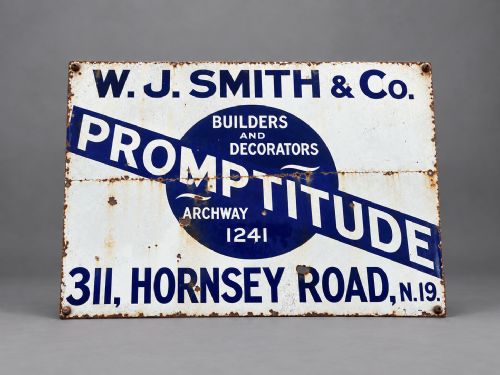
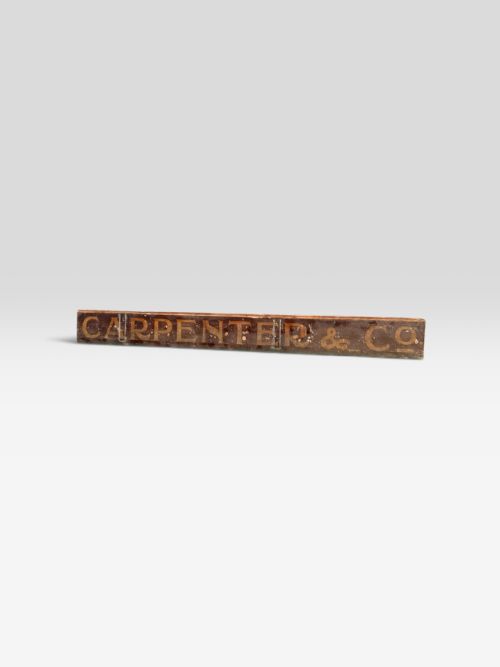
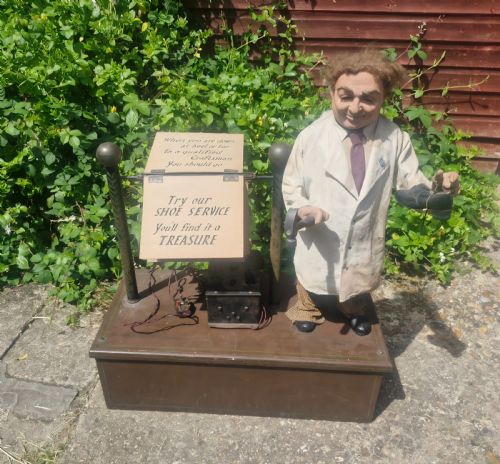
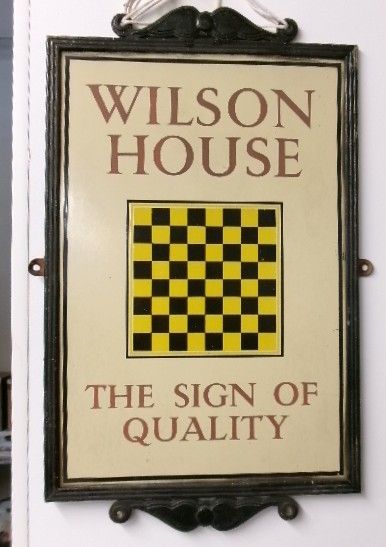
An antique commercial shop sign encompasses trade boards, window panels, and wall signage that once named businesses from the nineteenth century through the Art Deco era. Buyers encounter hanging markers, painted wooden boards, and glass notices originating from chemists, drapers, and pawnbrokers. The most frequently met examples span the Victorian, Edwardian, and nineteen-twenties periods, often constructed in wood or glass.
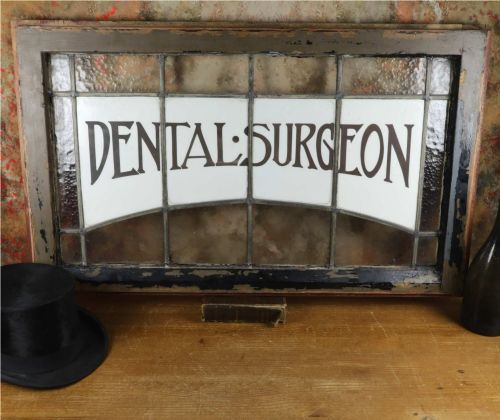
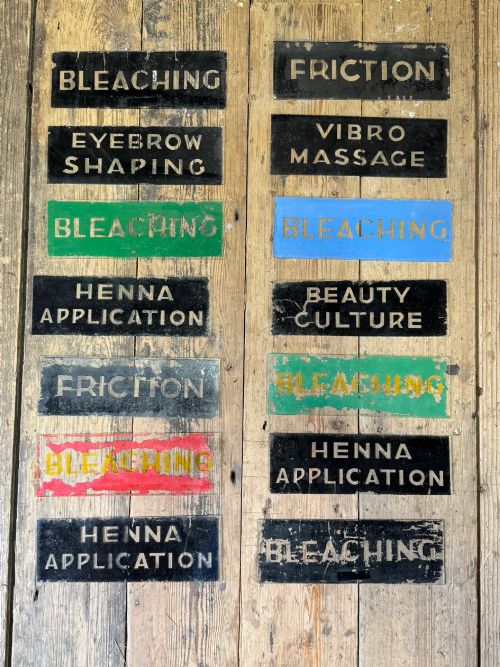
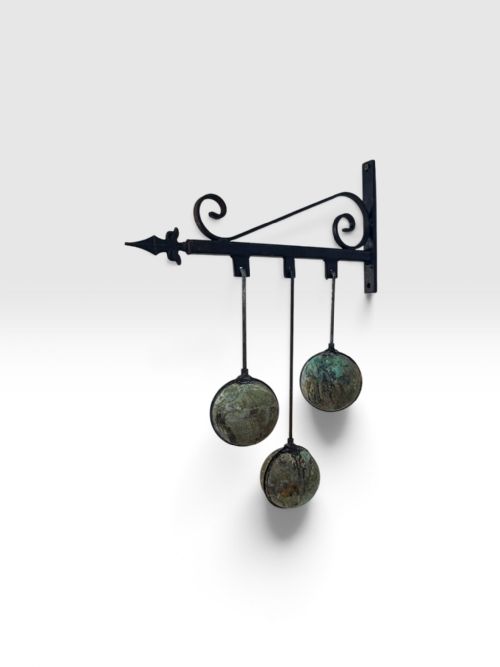
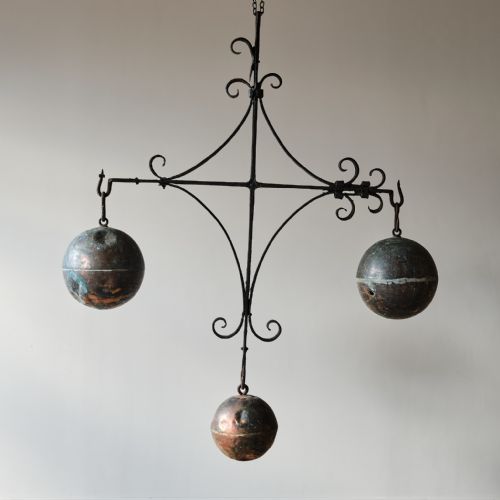
Trade pieces range from oversized pawnbrokers' symbols to directional posts and detailed reverse-painted window signs for beauty establishments. Many items reflect specific professions like dentistry, millinery, and ironmongery, preserving original trade names and typography. Surviving examples demonstrate the shift from simple painted timber boards to illuminated glass and metal advertising.
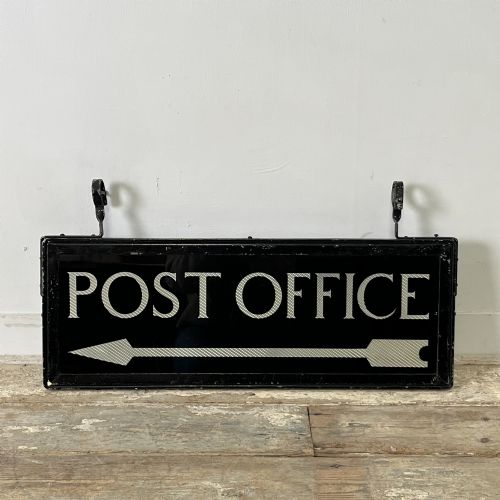
The selection includes architectural salvage and display models that served daily trade functions in European and domestic shops. Pieces like chemist mirrors and post office direction markers show how proprietors communicated services to the public. Each item functions as a direct record of urban and rural commerce before modern corporate branding.
Materials and construction
Makers shaped these signs from pine, mahogany, and oak, applying hand-mixed paint and gold leaf directly to the timber grain. Glass panels received reverse-painting and cut techniques to protect lettering from weather and interior wear. Iron, brass, and copper provided durable framing, hanging brackets, and embossed panels.
Sign-writers utilised skilled brushwork for lettering, often combining serif fonts with pictorial trade symbols like pocket watches or spoons and forks. Metal elements involved casting, forging, and beating to create robust exterior hanging signs and door plates. Finished surfaces relied on natural protective coats of oil or paint rather than modern synthetic lacquers.
Antique Commercial Shop Sign Retail Price Guide 2026
Typical asking prices for commercial shop sign among the pieces listed under this phrase on Sellingantiques today, from the lower quarter to the upper quarter. They describe what is for sale here now, not the wider market.
Listings feature trade signs spanning the nineteenth century through the nineteen-thirties, utilising glass, painted wood, iron, and brass.
Judging the standard
Quality rests in the precision of the hand-lettering and the originality of the painted surface rather than mass-produced uniformity. Signs with legible, characterful typography and authentic weathering command greater interest than plain or heavily restored boards. The complexity of the commission, such as reverse-cut glass or carved wooden figures, elevates the piece above standard trade markers.
Construction methods determine durability, with solid mahogany frames and forged iron brackets representing sturdier workshop output than thin pine alternatives. Surviving brackets, original hanging hardware, and untouched layers of historic paint preserve the integrity of the object. Pieces that retain their full trade context, such as named local businesses or specific commodities, offer superior historical documentation.
Josef Herzog Jewellery Shop·Watsons Matchless Soap·Horniman's Pure Tea
The Antique Commercial Shop Sign Glossary
- Reverse-painted glass
- A technique where lettering and imagery are applied to the back of a glass panel, viewed correctly from the front. This method protected the pigment from damage and created a glossy surface finish.
- Trade sign
- A physical object or board hung outside a business to indicate the trade practised within. These often took the form of oversized trade tools or goods rather than simple text.
- Architectural salvage
- Building elements and fixtures rescued from structures slated for demolition. This category includes shop signs, mirrors, and door hardware removed from period commercial premises.
- Gold leaf
- Gold beaten into extremely thin sheets used for gilding letters and decorative details on signs. It caught the light on bustling nineteenth-century streets to draw customer attention.
Antique Commercial Shop Sign: Frequently Asked Questions
How were antique shop signs mounted?
Most exterior signs used wrought iron brackets fixed directly to brickwork or timber shopfronts to project over the pavement. Interior glass panels and mirrors hung from brass chains or sat within dedicated window frames.
Heavier trade symbols relied on structural iron ties to withstand wind and daily movement on busy nineteenth-century streets.
What trades used hanging trade signs?
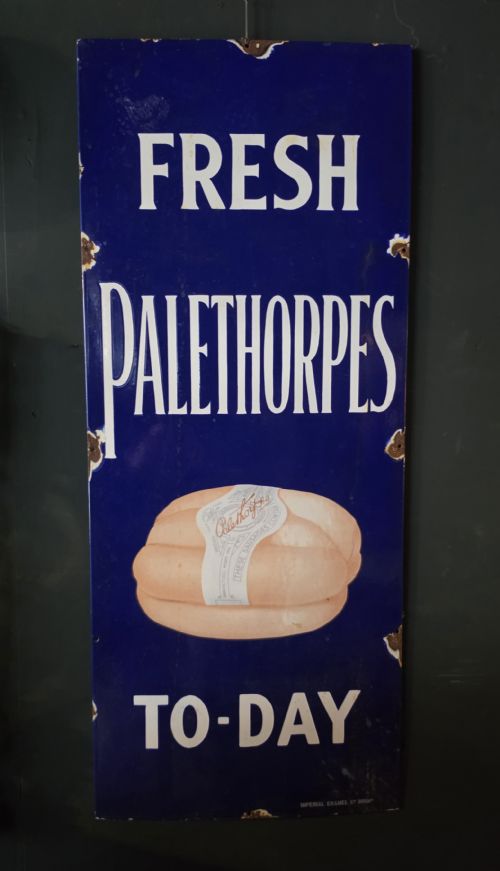
Pawnbrokers, watchmakers, tobacconists, and chemists frequently employed bold sculptural signs to attract customers who might not read easily. Food merchants such as bakers and butchers utilised painted boards and display models of loaves or meat.
Specialist practitioners like dentists and drapers also marked their premises with clear glass panels and painted fascia boards.
How do I date a shop sign?
Dating relies on the typeface, material technology, and the specific trade terminology recorded on the board. Victorian examples often feature deep pine boards with hand-applied oil paint, while nineteen-twenties pieces introduce Art Deco styling and reverse-cut glass.
Maker details and historical business directories help narrow the production window further.
How do I care for painted wooden signs?
Keep wooden trade signs away from direct sunlight and damp environments to prevent timber movement and paint flaking. Dust gently with a dry, soft cloth without applying modern chemical polishes.
Preserve any stable historic wear as part of the object's commercial history rather than attempting cosmetic touch-ups.