



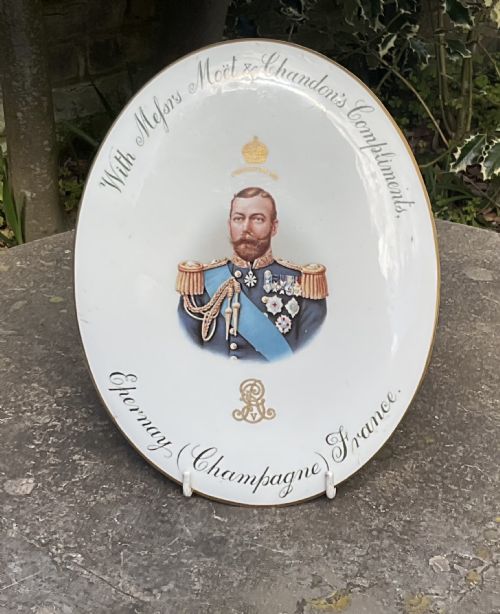


Vintage Advertising Wall Plaque
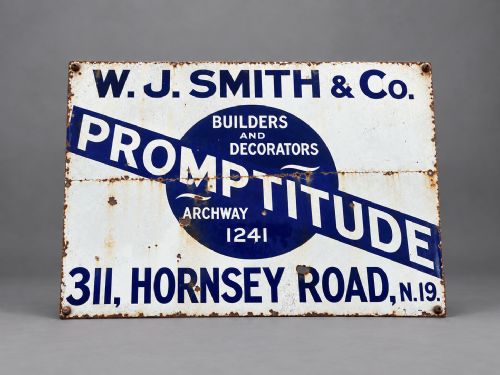
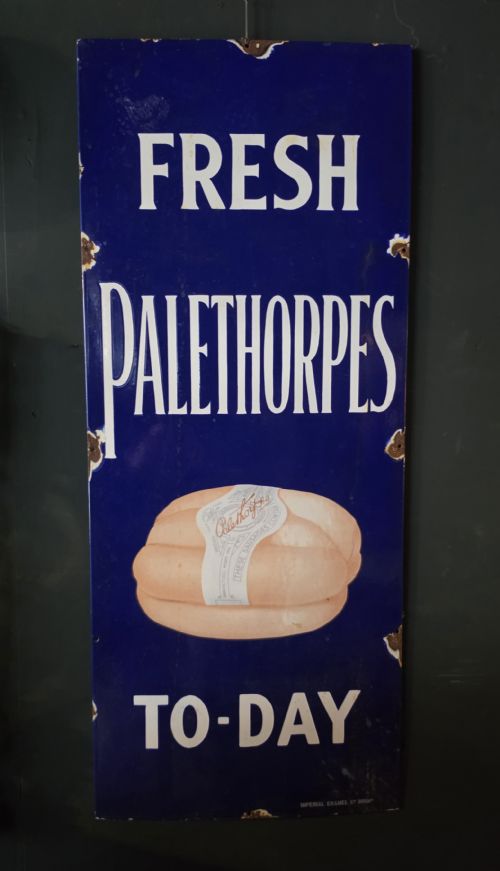
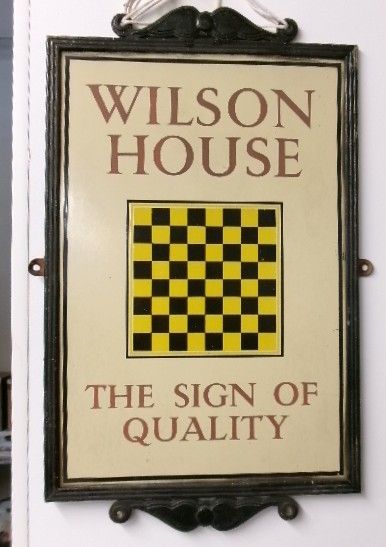
These vintage advertising wall plaque examples are durable commercial markers made to draw trade from the street, offering strong graphic appeal for collectors of industrial history.
Vintage Advertising Wall Plaque
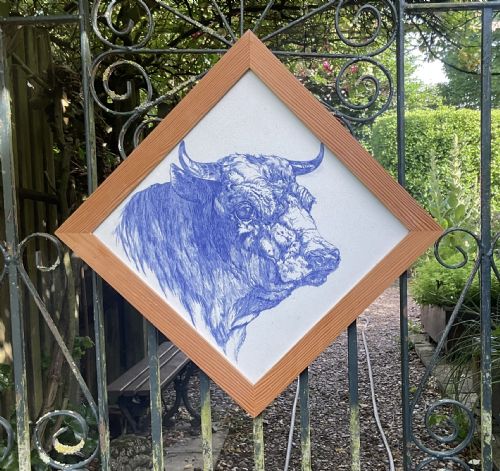
A vintage advertising wall plaque serves as a robust commercial marker designed to attract public attention to trades, shops, and products from the Victorian era through the early twentieth century. These pieces encompass street shop signs, enamel signage, decorated tiles, and embossed metal panels that once hung outside businesses or decorated interior retail spaces.
The selection ranges from pictorial sausage signs and champagne plaques to locksmith boards and pharmacy markers, representing diverse commercial interests. Dating chiefly from the late nineteenth century to the 1930s, these objects capture the everyday visual culture of past retail environments.
Factors of quality
The crispness of the original typography and the preservation of the enamel or painted surface determine the visual strength of a plaque. Pieces retaining their original framing, hanging brackets, or structural mounts hold greater integrity than those altered over time.
Depth of detail in embossed panels or the complexity of pictorial graphics distinguishes standard utility signs from superior examples. The clarity of maker inscriptions and specific trade references further anchors the historical value of each piece.
Vintage Advertising Wall Plaque Retail Price Guide 2026
Typical asking prices for vintage advertising wall plaque among the pieces listed under this phrase on Sellingantiques today, from the lower quarter to the upper quarter. They describe what is for sale here now, not the wider market.
Listings feature items spanning the Victorian era through the 1930s, utilising sheet iron, vitreous enamel, ceramic, oak, and beaten copper.
Palethorpes·Mintons·Moët and Chandon·Tann·Colman
The Vintage Advertising Wall Plaque Glossary
- Vitreous Enamel
- A material made by fusing powdered glass to a substrate by firing, producing a durable and glossy coloured coating. This finish protected metal signs from rust and fading in outdoor environments.
- Pictorial Sign
- An advertising marker featuring illustrative imagery rather than text alone, designed to communicate a product instantly. These often depicted specific goods such as sausages or boots.
- Trade Sign
- A marker hung outside a business to indicate the specific occupation or goods sold within. They frequently took recognizable three-dimensional forms like pocket watches or keys.
- Salesman's Sample
- A portable miniature version of a product or sign used by commercial travellers to demonstrate wares to prospective shopkeepers. These items were produced with the same materials as full-scale versions.
- Embossed Panel
- A sheet of metal raised into relief designs by hammering or pressing from the reverse side. This technique added tactile dimension and rigidity to advertising displays.
Vintage Advertising Wall Plaque: Frequently Asked Questions
How do I hang a heavy enamel sign safely?
Heavy enamel and cast iron signs require secure fixings into solid masonry or wall studs using appropriate load-bearing brackets.
Avoid relying solely on the original mounting holes if the surrounding metal shows weakness, and distribute the weight evenly to prevent cracking the enamel.
Were these signs displayed outdoors originally?
Many enamel and cast iron markers were built for exterior use on shopfronts, railway stations, and exterior walls to withstand rain and sunlight.
Interior versions, such as ceramic tiles and wooden trade boards, were generally kept inside retail spaces or offices to guide customers.
How should I clean an old metal advertising plaque?
Gentle dusting with a dry microfibre cloth removes surface dirt without harming fragile paint or rusted edges.
Avoid harsh chemical cleaners, abrasive scouring pads, or excessive water, which can accelerate corrosion on exposed iron.
How do I distinguish a Victorian sign from a 1930s piece?
Victorian examples often feature serif typography, hand-painted details, or heavy brass and cast iron construction typical of nineteenth-century trade.
Pieces from the 1930s frequently showcase bolder modernist sans-serif lettering and vibrant vitreous enamel graphics associated with mass industrial production.