




Painted Metal Shop Sign
These painted metal shop sign pieces carry the bold lettering and trade symbols of past commerce, offering a striking display for modern interiors.
Painted Metal Shop Sign
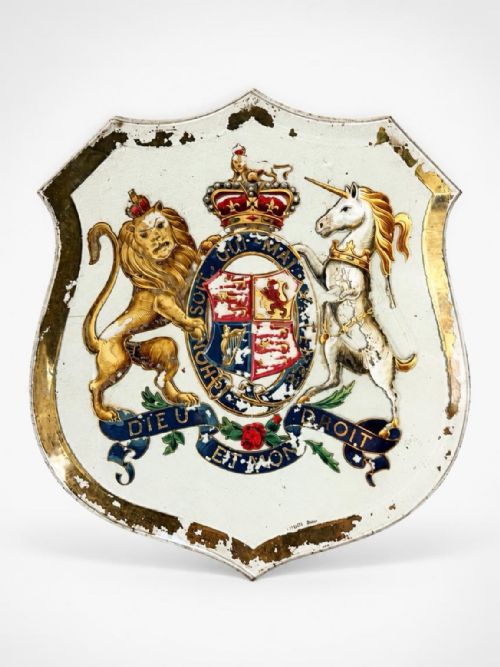
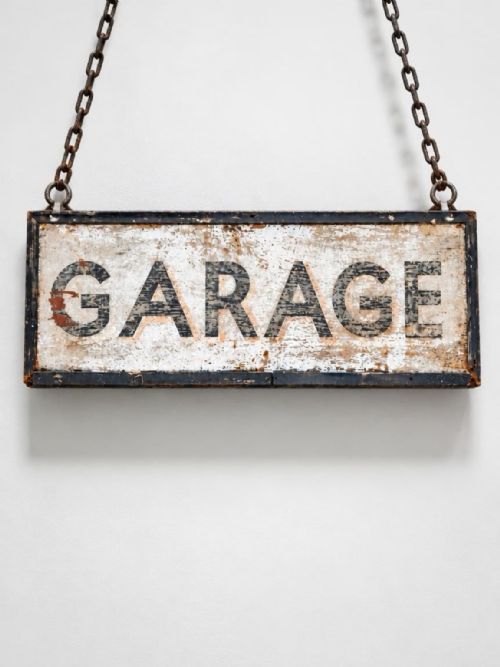
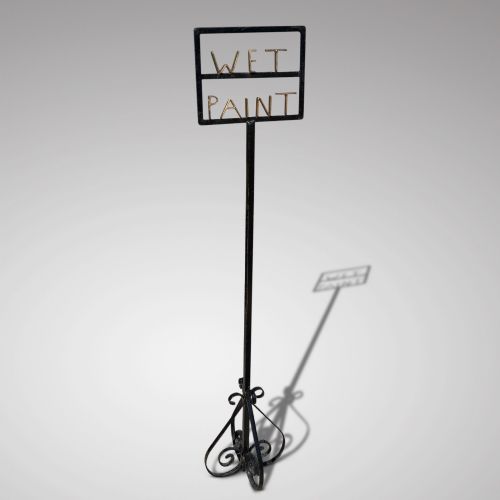
A painted metal shop sign serves as an original trade or advertising marker from the nineteenth and early twentieth centuries. These pieces encompass wall signage, standing signs, and wall sculptures that once identified tradesmen, pharmacies, dentists, and painters.
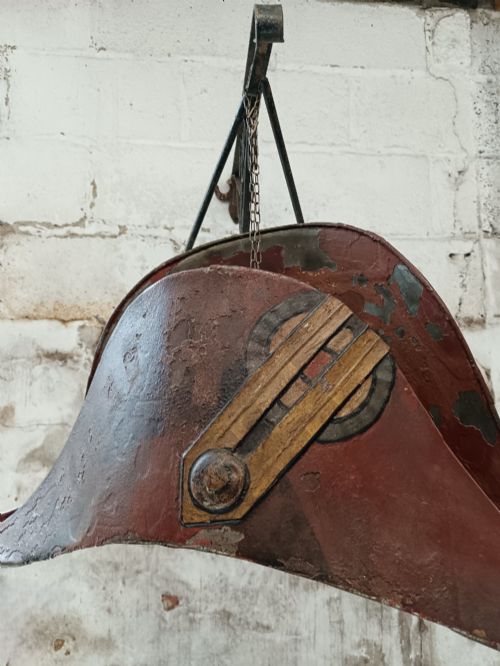
The most common examples on this page date from the nineteenth century through the 1930s, reflecting French industrial, Edwardian folk art, and Victorian styles. Buyers encounter trade signs in sheet metal, iron, tin, and wrought iron, alongside specific displays such as clock faces and bicorn hat shapes.
Originating from commercial premises, these items span French country pieces and military toleware, bringing industrial and folk art aesthetics into domestic settings. Each sign demonstrates the practical advertising methods of early commerce through surviving painted surfaces.
How they were made
Makers shaped sheet metal, sheet iron, and tin to form the base plates and relief shapes of these advertising pieces. Wrought iron provided sturdy support frames and hanging brackets for heavy trade displays.
Surfaces received hand-applied coats of paint to render lettering, pictorial symbols, and decorative details directly onto the metal ground. This combination of beaten metalwork and pigmented paint created durable outdoor signage designed to withstand daily exposure.
Painted Metal Shop Sign Retail Price Guide 2026
Typical asking prices for painted metal shop sign among the pieces listed under this phrase on Sellingantiques today, from the lower quarter to the upper quarter. They describe what is for sale here now, not the wider market.
What varies in quality
The sophistication of the hand-painted lettering and pictorial graphics dictates the visual appeal of each sign. Examples featuring crisp typography or intricate trade symbols demonstrate greater artisan skill than plain functional boards.
The integrity of the original metal substrate and the remaining paint layer determine the physical merit of the piece. Surviving surfaces that retain their early pigment without extensive modern intervention command greater interest from collectors.
The Painted Metal Shop Sign Glossary
- Toleware
- Painted or lacquered metalware, often iron or tin, associated with military and domestic items. This technique produces a smooth, decorative surface suited to shaped trade pieces.
- Folk Art
- Artistic work created within a traditional culture by self-taught makers, often seen in early twentieth-century shop signs. These pieces rely on regional styles rather than formal academic training.
- Wrought Iron
- Iron that is heated and hammered into shape by hand, frequently utilised for brackets and structural frames. Its fibrous texture comes from the silicate slag inclusions within the metal.
- Trade Sign
- A marker or symbol hung outside a business to advertise the profession or goods sold within. These functional objects range from simple painted boards to sculptural representations like hats and clock faces.
Painted Metal Shop Sign: Frequently Asked Questions
How were trade signs displayed?
Shop signs hung above doorways, mounted flat against exterior walls, or stood outside premises to catch the eye of passing pedestrians. Many utilised wrought iron brackets to project outward from the building facade.
Interior spaces now accommodate these pieces as wall decor or sculptural focal points, utilising similar hanging methods on sturdy walls.
What trades do these signs represent?
The available pieces represent a variety of historical occupations, including coopers, painters, pharmacies, and dentists. Specialised symbols like bicorn hats and clock faces denoted specific military or commercial services.
Each trade utilised distinct visual markers to communicate their services to a largely literate or rapidly moving public.
How do I date a painted metal sign?
Dating relies on the style of the typography, construction techniques of the metal base, and the composition of the paint layers. Nineteenth-century examples often feature heavier iron work and hand-mixed pigments, while 1920s and 1930s pieces show early twentieth-century industrial aesthetics.
Comparing the object's form to documented trade markers helps narrow the period of manufacture.
Can these signs hang outdoors?
While originally constructed for outdoor commercial use, surviving antique signs generally benefit from indoor environments where humidity and temperature remain stable. Modern weather exposure can accelerate the degradation of historic paint layers and underlying metal.
Displaying them inside preserves the remaining pigment and structural integrity for the future.