





French Advertising Sign
These pieces of french advertising sign history bring tangible trade heritage into modern spaces through surviving metal, wood, and porcelain.
French Advertising Sign
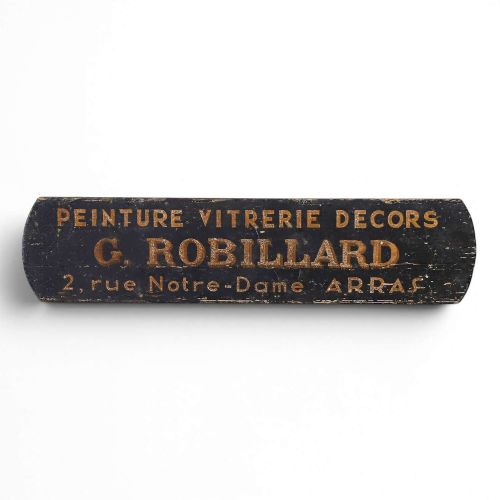
A french advertising sign captures the commercial character of past European trade through surviving wall signage, trade signs, and hanging boards. Buyers searching for a french advertising sign typically encounter pieces spanning the nineteenth century into the early twentieth century, including the Belle Epoque and 1920 periods.
Materials and construction methods
Makers utilised durable substrates including sheet metal, cast iron, timber, and wood to withstand commercial environments. Surfaces often received hand-painted lettering, gold leaf details, or enamel applications to ensure legibility and visual appeal.
Combination pieces integrate structural timber or iron supports with painted panels, glass components, or mirror plates. These construction choices reflect traditional craftsmanship tied to French industrial and folk art traditions.
French Advertising Sign Retail Price Guide 2026
Typical asking prices for french advertising sign among the pieces listed under this phrase on Sellingantiques today, from the lower quarter to the upper quarter. They describe what is for sale here now, not the wider market.
A rustic wooden cow trolley once wheeled goods through a French butcher's shop before retiring to the antiques market.
Distinctions in quality and survival
Quality rests in the original state of the painted surfaces, lettering clarity, and the integrity of the base material. Pieces retaining undisturbed hand-painted finishes and authentic gold leaf demonstrate superior historical survival compared to later altered examples.
The presence of documented trade details, such as specific maker names or regional enterprise locations, elevates the historical interest of an object. Structural preservation of the wooden frames, iron brackets, or glass plates further determines the overall calibre of a piece.
The French Advertising Sign Glossary
- Trade Sign
- A board or sculptural object displayed outside a shop to indicate the specific trade or craft practiced within. These items formed the visual language of the nineteenth-century streetscape.
- Gold Leaf
- Gold beaten into extremely thin sheets used for gilding lettering and decorative elements on signs. This technique provided a weather-resistant finish that caught the light.
- Belle Epoque
- A period of French history dating roughly from the late nineteenth century to the outbreak of the First World War. Visual culture from this era often exhibits ornate commercial artistry.
- Folk Art
- Objects created by self-taught or traditional artisans working outside academic traditions. In this category, items include rustic shop displays and handmade trade boards.
- Sheet Metal
- Flat rolled metal used as a primary substrate for exterior and interior signage. It allowed for lightweight, durable advertising panels.
French Advertising Sign: Frequently Asked Questions
What materials make up a french advertising sign?
These pieces utilise a range of traditional substrates including timber, wood, sheet metal, cast iron, and glass. Surfaces are frequently finished with hand-applied paint, gold leaf, or specialised enamel.
The choice of material often reflects the intended placement, whether designed for exterior street hanging or interior shop display during the nineteenth and early twentieth centuries.
How were these signs used originally?
Shops, tradesmen, and commercial enterprises mounted these boards on exterior walls or suspended them above doorways to attract passing foot traffic. They identified specific services, from shoemakers and dentists to piano manufacturers and pharmacies.
Interior versions served as display units or decorative point-of-sale boards within French provincial shops and businesses.
How do I date a french advertising sign?
Dating relies on stylistic clues, typography, and material construction methods associated with periods like the Belle Epoque or the 1920s. Reference to specific historical enterprises or documented trade names also helps establish a chronological window.
Physical indicators, such as hand-painted lettering techniques and traditional joinery on wooden frames, provide further evidence of age.
How should I display one at home?
Wall-mounted pieces require secure fixings suited to their weight, particularly heavier items constructed from cast iron, thick timber, or glass. Positioning them in living spaces or kitchens creates a focal point rooted in European industrial history.
Keeping pieces away from direct moisture and extreme temperature fluctuations helps preserve fragile painted surfaces and exposed metals.