




Vintage Metal Advertising Sign
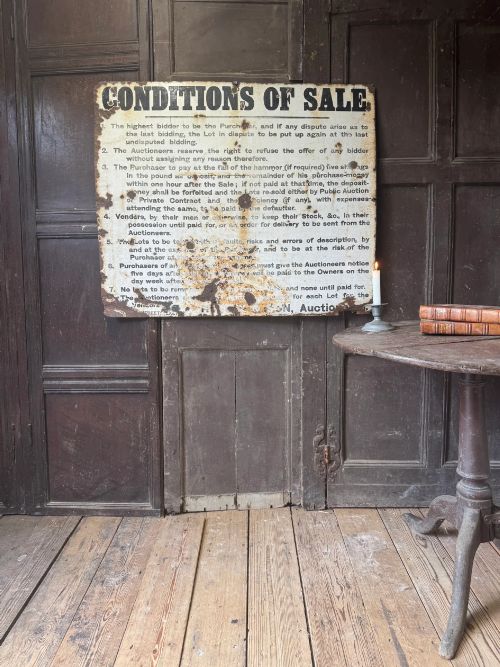
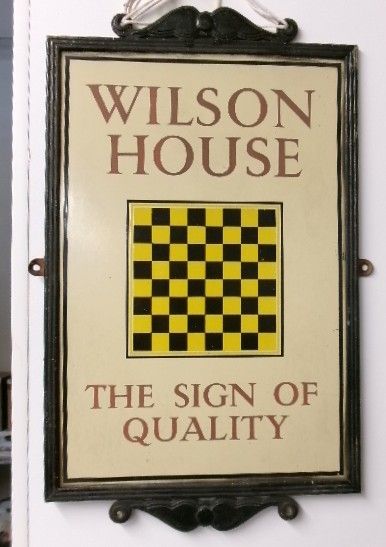
A vintage metal advertising sign brings industrial character to a wall, offering direct, utilitarian design from past commerce.
Vintage Metal Advertising Sign
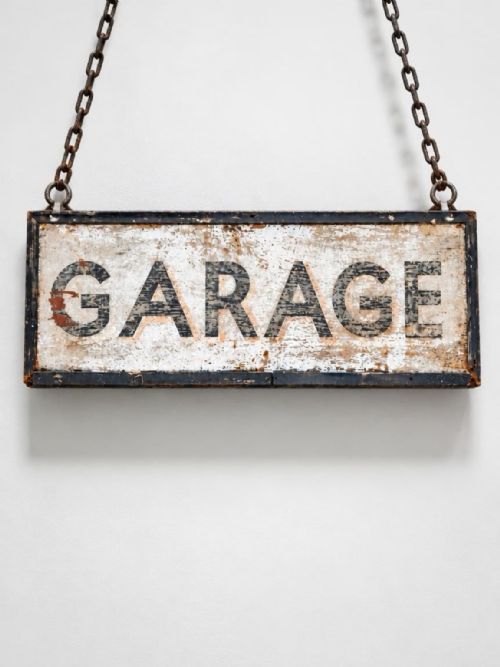
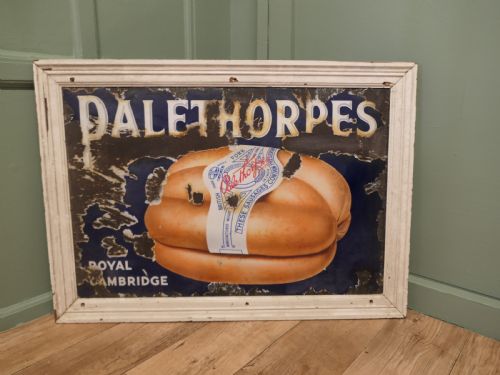
When you search for a vintage metal advertising sign, you encounter commercial plaques, wall signage, and trade pieces produced from the Victorian era through the mid-twentieth century. These objects served local shops, public telephones, and industrial enterprises, communicating services and goods directly to the public.
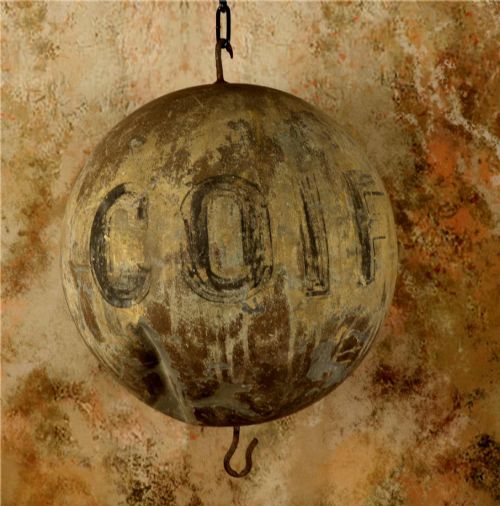
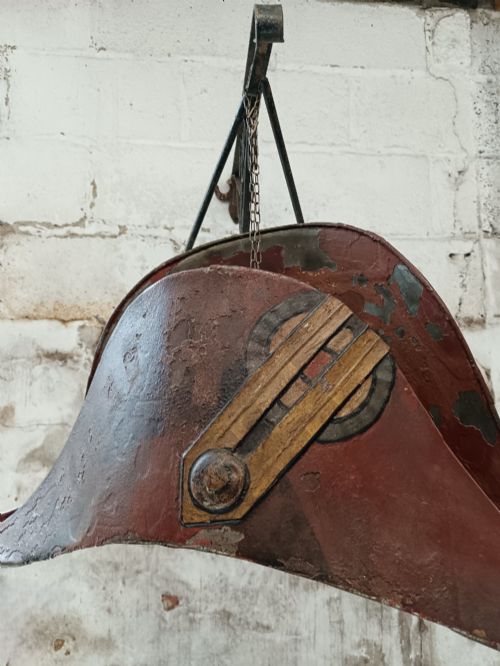
You are most likely to meet painted metal and enamel versions spanning the early twentieth century, alongside nineteenth-century iron and brass examples. Forms range from flat wall signs to shaped trade signs modelled as pocket watches or bicorn hats.
The origins span English, French, and local trade workshops, reflecting everyday commercial life rather than fine art. Each piece carries the distinct branding or functional instruction of its original trade.
How they were made
Makers utilised sheet metal, iron, and cast iron as the primary foundations for durability in outdoor or busy shop environments. Artisans applied paint directly to metal surfaces or fused vitreous enamel onto iron for lasting outdoor resistance.
Techniques included hand-painting lettering and imagery for local tradesmen, alongside industrial enamel firing that baked coloured glass particles onto metal substrates. Brass elements and safe plaques utilised precision stamping and casting methods.
Structural framing often incorporated timber or simple iron brackets designed for hanging outside merchants' premises or mounting inside public spaces.
Vintage Metal Advertising Sign Retail Price Guide 2026
Typical asking prices for vintage metal advertising sign among the pieces listed under this phrase on Sellingantiques today, from the lower quarter to the upper quarter. They describe what is for sale here now, not the wider market.
Several signs take literal physical forms, including a pocket watch, a bicorn hat, and a vending machine mirror.
What varies in quality
The grade of a vintage metal advertising sign depends upon the crispness of the original typography and the retention of the painted or enamelled surface. Intricately shaped trade signs modelled after specific objects, such as pocket watches, demonstrate superior craftsmanship compared to plain flat boards.
The complexity of the commercial commission influences overall quality, with multi-coloured vitreous enamel panels requiring advanced firing expertise over simple single-colour painted iron. Surviving original frames and mounting brackets also elevate the integrity of the piece.
Smiths of London·J and H Keyworth and Co·Tann
The Vintage Metal Advertising Sign Glossary
- Vitreous enamel
- A material made by fusing powdered glass to a substrate by firing, producing a durable, glossy coloured surface. This finish resists weathering and fading, making it ideal for outdoor advertising.
- Toleware
- Metalware featuring japanned or painted finishes, often associated with decorative domestic objects or trade items. It showcases traditional hand-painted ornamentation on sheet metal.
- Trade sign
- A functional object or board displayed outside a shop to indicate the merchant's profession. These often took literal shapes, such as hats or pocket watches, to inform illiterate customers.
- Sheet metal
- Thin metal formed by industrial processes into flat pieces suitable for cutting and painting. It served as a lightweight alternative to cast iron for wall signs.
- Cast iron
- Iron poured into a mould to create rigid objects with raised lettering or detailed borders. This heavy material provided immense structural durability for early commercial signage.
Vintage Metal Advertising Sign: Frequently Asked Questions
How do I hang a heavy metal sign?
Support the weight directly into wall studs or masonry using appropriate fixings rather than relying on plaster alone. Ensure the hanging brackets match the original mounting points where possible.
Distribute the load evenly across the frame or hanging loops to prevent twisting the sheet metal over time.
How should I clean an enamel sign?
Wash the surface gently with warm water and mild soap using a soft cloth. Avoid abrasive scouring pads that can scratch the glossy vitreous finish.
Dry the metal thoroughly afterwards to prevent moisture settling into any exposed iron edges.
Were these signs meant for outdoor use?
Most enamel and heavy iron signs were manufactured specifically to withstand external weather conditions outside shops and public spaces. Painted sheet metal examples were frequently displayed outdoors on trade premises.
Protected indoor placement today helps preserve surviving paint layers that might degrade under modern outdoor pollution.
How can I tell the age of a sign?
Examine the materials, typography styles, and manufacturing methods used in the lettering and substrate. Vitreous enamel and heavy cast iron typically point towards Victorian and early twentieth-century production.
Look for specific trade names, postal districts, or style cues that correspond to known operational decades of the business.