




Vintage Shop Advertising Board
A vintage shop advertising board brings genuine commercial history into a room, offering authentic painted wood, metal and glass signs from past trades.
Vintage Shop Advertising Board
A vintage shop advertising board encompasses trade signs, wall signage, dummy boards and key holders that once promoted businesses. These pieces emerge from the Victorian era, the Edwardian period, and the early twentieth century, carrying the visual identity of past commerce.
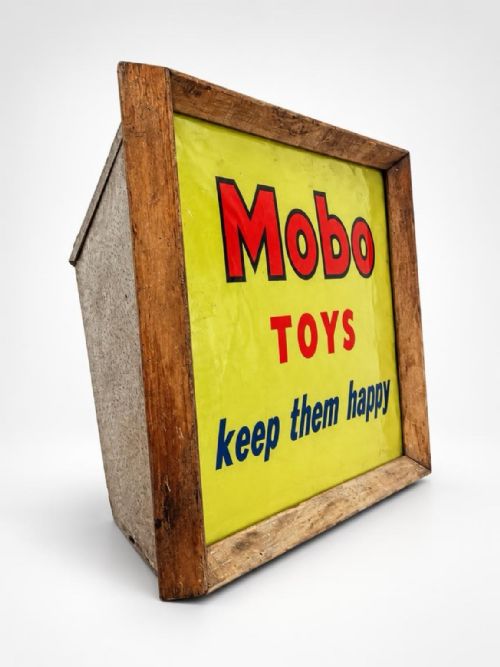
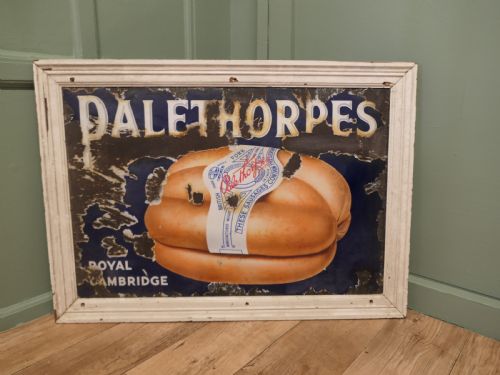
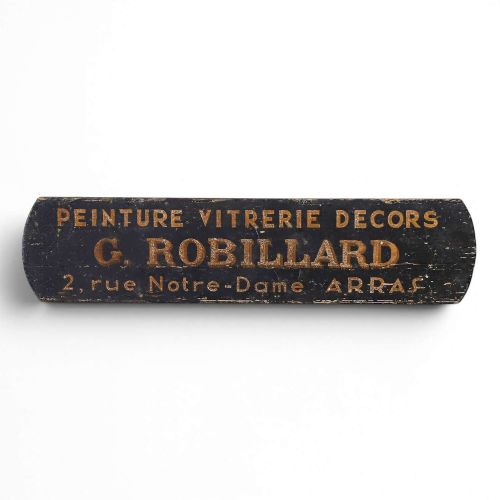
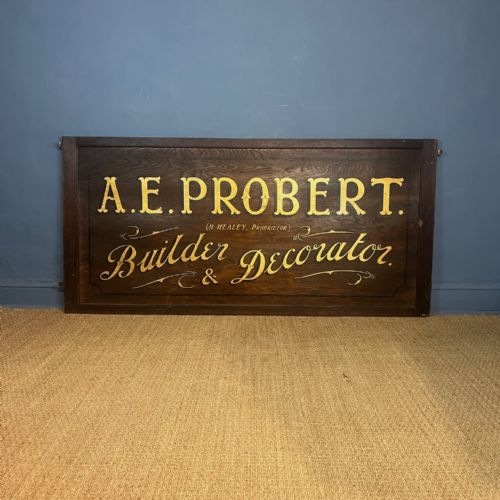
The most common examples on this page are hand-painted wooden trade signs and metal wall signage from the early twentieth century and the Belle Époque period. Buyers encounter specialist boards for painters, locksmiths, dentists and general merchants, alongside enamel signs and shop display dummy boards.
Originating largely from British and French workshops, these boards reflect vernacular commercial art. They range from simple timber panels bearing gold leaf lettering to elaborate pictorial trade signs housed in original wooden frames.
How they were made
Makers utilised timber such as oak alongside sheet metal and iron to construct the base supports for these signs. Carpenters and joiners fashioned wooden boards and frames, while metalworkers prepared iron and sheet metal surfaces for commercial use.
Painters and signwriters applied oil paint and gold leaf directly to wood, metal and glass surfaces by hand. Enamel signage involved firing vitreous glass powders onto iron plates at high temperatures to create durable, weather-resistant advertising displays.
Vintage Shop Advertising Board Retail Price Guide 2026
Typical asking prices for vintage shop advertising board among the pieces listed under this phrase on Sellingantiques today, from the lower quarter to the upper quarter. They describe what is for sale here now, not the wider market.
Current selections feature timber, iron, sheet metal, glass and gold leaf across Victorian, Edwardian and Belle Époque periods.
What varies in quality
The standard of execution in the hand-painted lettering and pictorial elements determines the visual strength of a board. Skilled signwriters achieved precise typography and balanced composition, whereas simpler pieces display rustic folk art execution.
The survival of original surface finishes, frames and gold leaf dictates the integrity of a piece. Boards retaining their untouched historic paint layers and original timber surrounds hold greater documentary value than those with later repainting.
The Vintage Shop Advertising Board Glossary
- Trade Sign
- A board or object displayed outside a shop or workshop to advertise the trade or profession conducted within. These signs often feature pictorial symbols or lettering specific to the business.
- Dummy Board
- A painted figure cut from wood or metal, historically used as a shop display piece or interior decoration. They are painted to resemble people or animals.
- Gold Leaf
- Gold beaten into extremely thin sheets, utilised by signwriters to gild letters and decorative motifs on wooden and glass signs. It provides a luminous finish that catches the light.
- Enamel Sign
- A metal sign fused with powdered glass through firing, creating a glossy, durable surface. These signs were widely used for outdoor commercial advertising.
- Folk Art
- Artistic work created within a traditional culture by self-taught or untrained makers, often seen in vernacular shop signs and trade boards. These pieces prioritise expressive utility over academic convention.
Vintage Shop Advertising Board: Frequently Asked Questions
How were trade signs displayed originally?
Shopkeepers mounted these boards directly onto exterior walls, hung them from iron brackets above doorways, or placed them inside windows to attract passing trade.
Larger painted timber panels and enamel signs formed the permanent exterior signage of a premises, while smaller boards and dummy boards served as movable displays.
What trades are commonly represented on these boards?
Surviving boards frequently advertise traditional trades such as painting and decorating, locksmithing, dentistry, and food manufacturing.
Specialist boards might name specific practitioners or businesses, providing a direct link to a particular Edwardian or Victorian enterprise.
How do I care for a painted wooden sign?
Keep painted wooden and metal signs away from direct sunlight and damp environments to protect the historic surface materials. Gentle dusting with a dry cloth is sufficient for maintenance, avoiding harsh chemical cleaning agents that could lift original paint layers.
Stable indoor humidity prevents the timber boards from warping and keeps fragile gold leaf secure.
How do I distinguish an Edwardian sign from a Victorian one?
Victorian signs often display bolder serif lettering and heavier timber construction, reflecting mid-to-late nineteenth-century commercial aesthetics. Edwardian and Belle Époque pieces frequently introduce more refined typography and lighter framing techniques.
Stylistic cues in the lettering and the specific materials used help place a board within its broad historical period.