
Antique French Wall Decor
Antique french wall decor brings together centuries of carved wood, giltwood, canvas and glass to dress rooms with distinct continental character.
Antique French Wall Decor
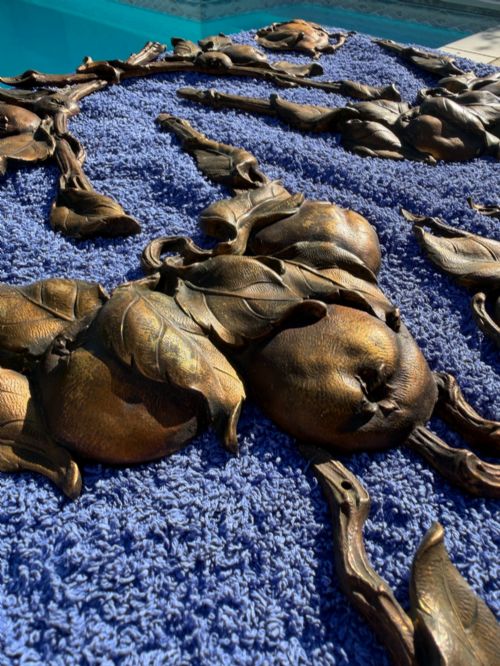
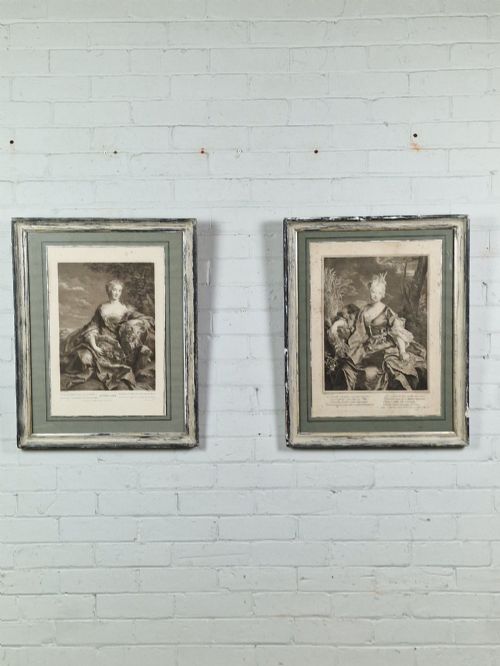
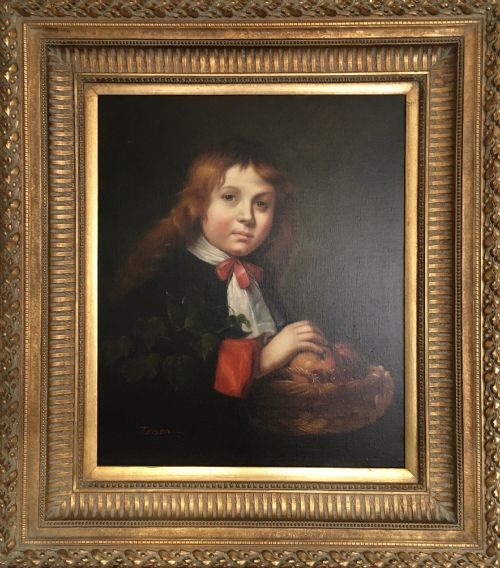
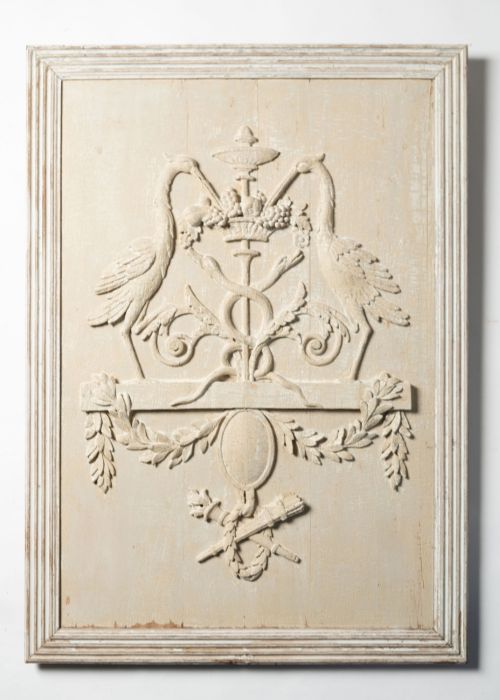
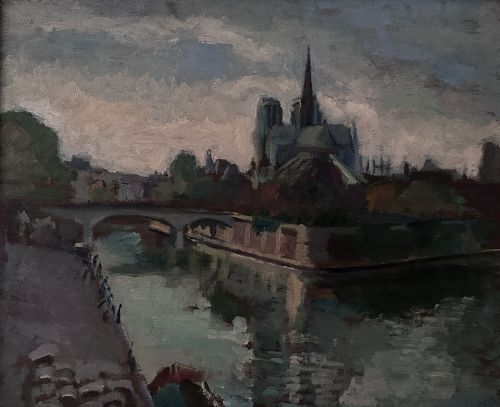
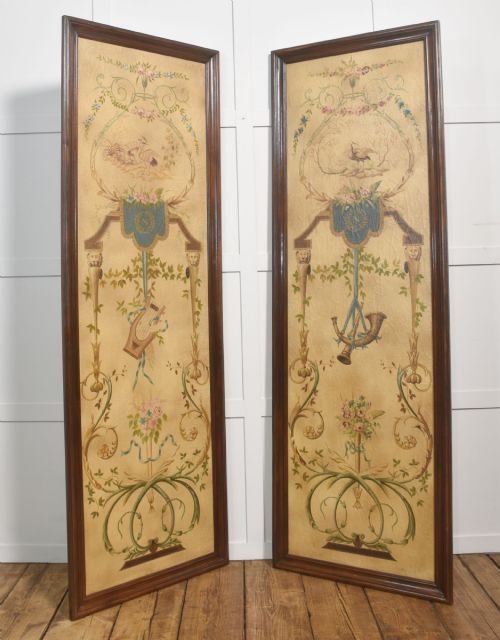
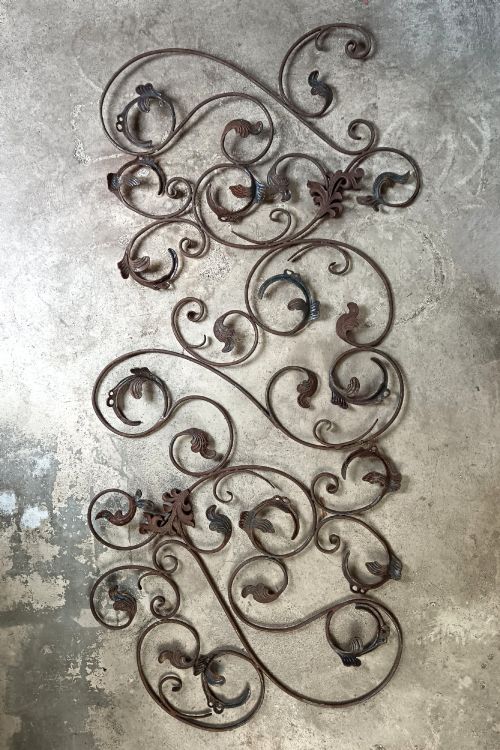
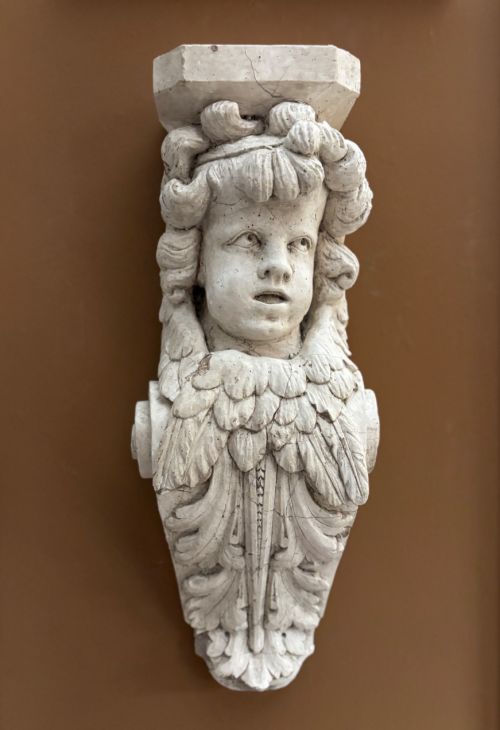
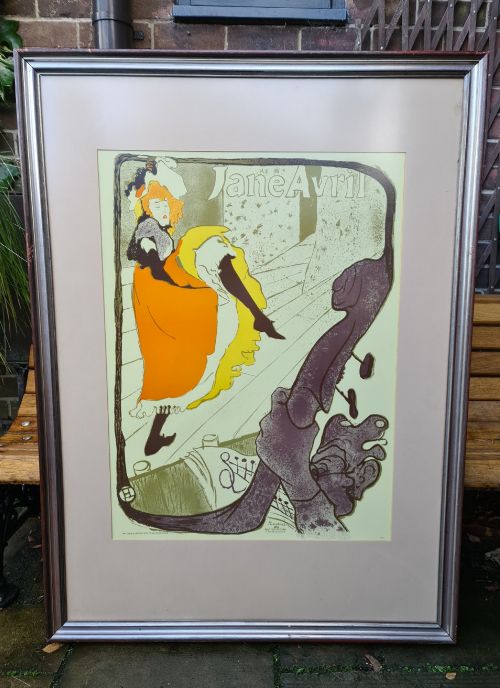
Buyers seeking antique french wall decor encounter a wide spectrum of objects, from carved wooden panels and architectural scrolls to oil paintings, tapestries, and framed prints. The most frequent discoveries span the eighteenth and nineteenth centuries, often showing neoclassical, empire, or provincial styles.
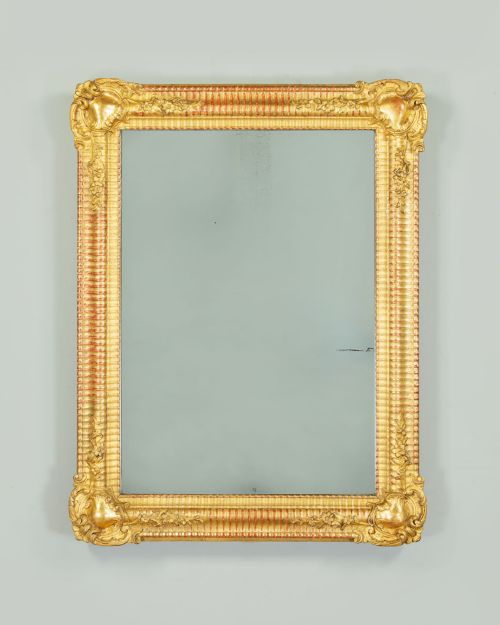
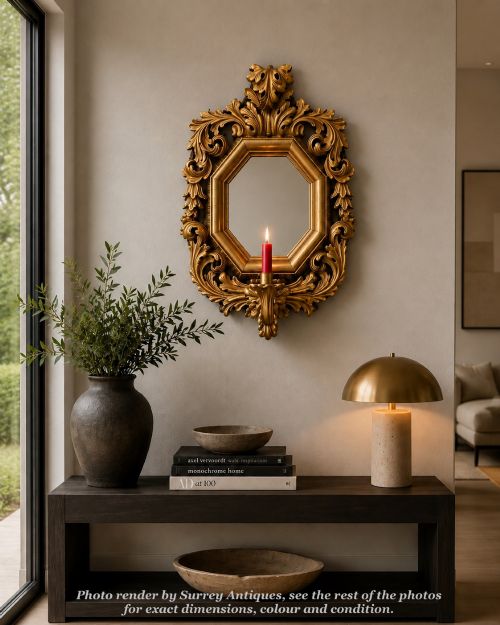
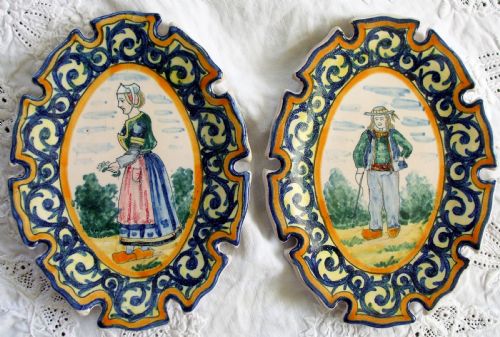
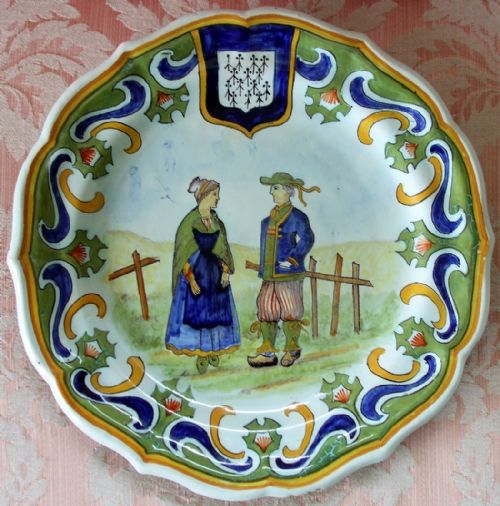
Wall mirrors, faience dishes, decorative plates, and gilt bronze appliques also populate the selection, providing versatile options for interior spaces. Pieces range from large overmantle mirrors to smaller plaques and painted canvas panels, reflecting diverse domestic and commercial origins.
Materials and construction methods
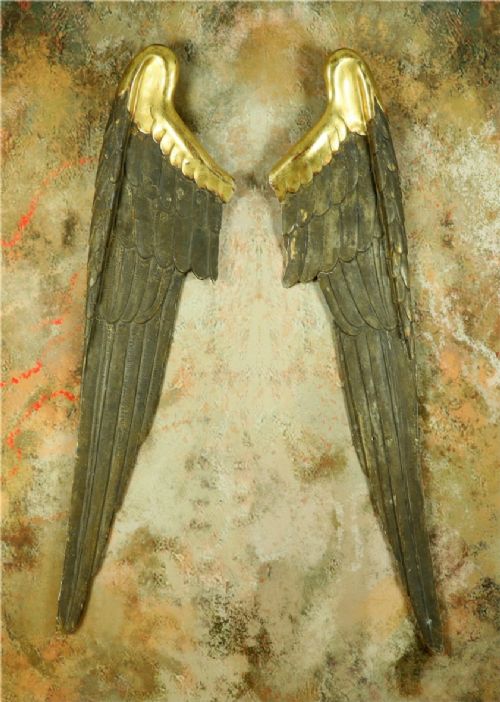
Craftsmen built these pieces using traditional methods, applying gesso and gold leaf to carved wood for mirrors and decorative panels. Canvases received oil paint or encaustic mediums, while metals like wrought iron and bronze were shaped into architectural scrolls and wall lights.
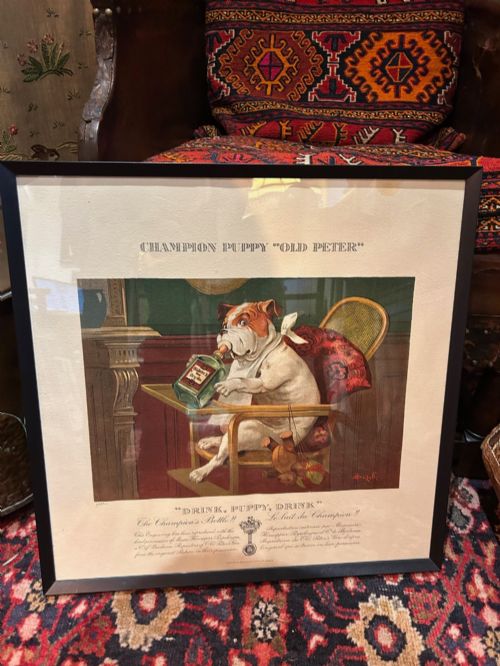
Paper and card support engravings, advertising prints, and photographs, sometimes finished with hand tinting. Tapestries and needlepoint panels utilised woven textiles to depict historical, mythological, and pastoral scenes.
Antique French Wall Decor Retail Price Guide 2026
Typical asking prices for french wall decor among the pieces listed under this phrase on Sellingantiques today, from the lower quarter to the upper quarter. They describe what is for sale here now, not the wider market.
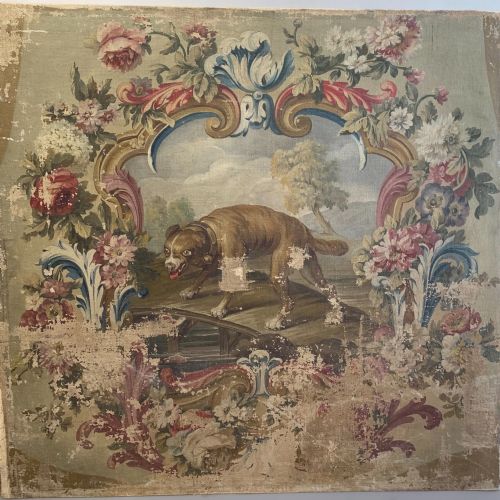
Dogs make frequent appearances here, posing quietly in nineteenth-century oil paintings and hunting portraits.
Distinctions in quality
The refinement of hand carving and the application of giltwood or gesso separate finer decorative panels and frames from simpler production. Depth of detail in oil paintings, tapestries, and cast bronze elements distinguishes master workshops from standard output.
The preservation of original painted surfaces, gold leaf, and glass plates determines the integrity of surviving pieces. Artisanal precision in subjects such as portraiture or architectural scrollwork marks the upper tier of the range.
Poix Blin·Jean baptiste Greuze·Marcellin Auzolle·Toulouse Lautrec·Julian Mandel·Raimond Louis Lecourt·Benjamin Eugene Fichel·Nicolas Fouché·Jean Baptiste Isabey·Samson·Girieud·Henry IV·Jules Chardigny
The Antique French Wall Decor Glossary
- Giltwood
- Wood that has been treated with a thin layer of gold leaf or gold paint. This technique creates a luminous surface common on eighteenth and nineteenth-century mirrors and frames.
- Gesso
- A plaster-like mixture applied to wood surfaces as a base for paint or gold leaf. It allows artisans to carve intricate relief details before gilding.
- Faience
- Tin-glazed earthenware produced in France and other European regions. These ceramic pieces often feature hand-painted designs on decorative plates and pin trays.
- Encaustic
- A painting technique involving heated beeswax mixed with coloured pigments. Artists apply this molten mixture to canvas or panels to build textured, durable compositions.
- Girandole
- An ornamental branched mirror or wall sconce designed to hold candles. The reflective glass enhances the ambient light in a room.
Antique French Wall Decor: Frequently Asked Questions
How do I hang heavy giltwood mirrors?
Heavy giltwood mirrors require secure wall fixings distributed evenly to support the substantial weight of the wooden frame and glass plate. Fixing directly into wall studs or using heavy-duty masonry anchors ensures stability.
Professional mirror hangers often utilise French cleats to distribute the load safely across the wall surface without straining the original antique frame.
Where were antique tapestries displayed?
Antique tapestries and needlepoint panels originally hung in chateaux, drawing rooms, and halls to provide insulation against cold stone walls while displaying wealth and narrative scenes.
Today, they function well as textile art in living rooms or stairwells, provided they are kept away from direct sunlight to protect the fibres.
How do I identify neoclassical style?
Neoclassical pieces feature symmetrical designs, classical motifs derived from ancient Greece and Rome, and restrained ornamentation. Look for straight lines, urns, swags, and architectural proportions.
This aesthetic emerged in the eighteenth century as a reaction against the excessive curves of the rococo style.
Are painted wooden panels durable?
Painted wooden panels survive well indoors when kept away from excessive moisture and extreme temperature fluctuations that can cause wood to warp and paint to flake. Regular dusting with a soft dry cloth maintains the surface.
Placing panels on interior walls away from direct heat sources preserves the original gesso and paint layers.