





Classical Profile Wall Art
Classical profile wall art brings the solemn dignity of antiquity into your home through plaster, marble, and carved mahogany.
Classical Profile Wall Art
Classical profile wall art includes wall plaques, framed art, drawings, and relief sculpture depicting historical and mythical figures in profile. The selection spans the nineteenth century, later periods, and the seventeenth century, drawing on Neoclassical, Grand Tour, and French Empire styles.
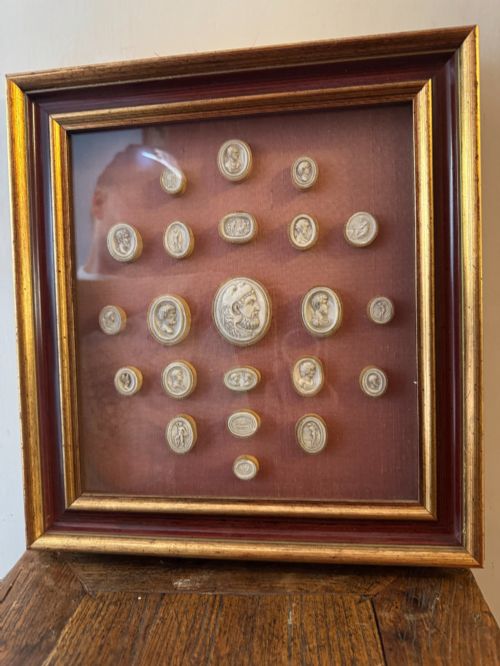
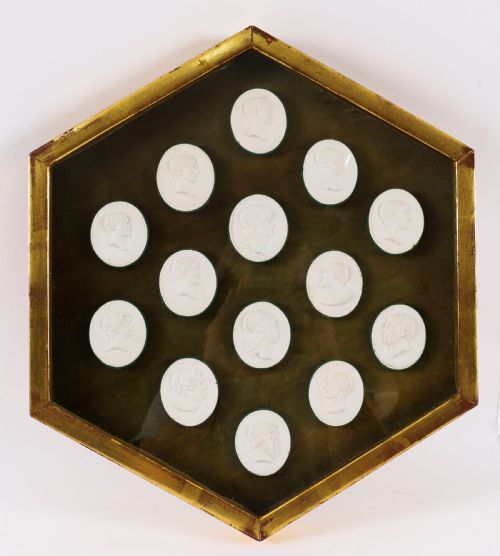
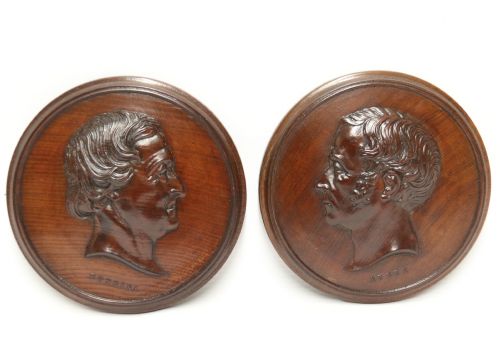
The most common examples on this page are nineteenth-century Italian and French pieces, notably marble profile plaques, gypsum intaglio cameo panels, and carved mahogany wall plaques. These items reflect a fascination with classical antiquity and portraiture.
Subjects range from literary figures such as Virgil and Dante to composers and political leaders, rendered in mediums like glass, wood, mahogany, paper, marble, plaster, giltwood, and fabric.
How they were made
Makers shaped classical profile wall art using traditional sculpting and carving techniques on materials such as marble, gypsum, and mahogany. Relief sculptures and intaglio cameo panels required precise hand-carving or casting to capture the sharp profiles characteristic of the Neoclassical style.
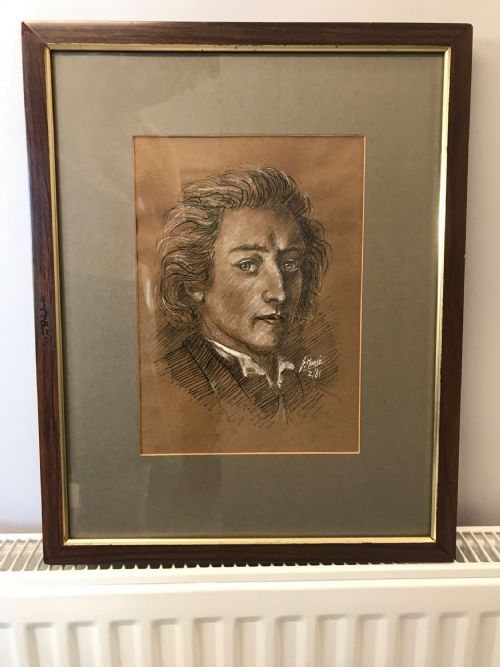
Framed works utilise paper, fabric, and glass alongside pen, ink, wash, gouache, pastel, and oil painting. Wood is frequently turned or carved to create dedicated frames for roundels and plaques.
Classical Profile Wall Art Retail Price Guide 2026
Typical asking prices for classical profile wall art among the pieces listed under this phrase on Sellingantiques today, from the lower quarter to the upper quarter. They describe what is for sale here now, not the wider market.
Materials represented across the inventory include marble, plaster, mahogany, glass, paper, fabric, and giltwood.
What varies in quality
Quality in these pieces rests upon the crispness of the carving and the fidelity of the portrait profile. Finer examples display precise anatomical detail and clean edges in materials like marble and gypsum.
The integration of the artwork with its frame also dictates quality, particularly in nineteenth-century turned mahogany frames and giltwood settings. Superior pieces demonstrate harmonious proportions between the central relief or drawing and its surrounding mount.
The Classical Profile Wall Art Glossary
- Intaglio
- A design engraved into a material so that the impression sits below the surface. This technique appears frequently in Grand Tour cameo panels.
- Cameo
- A method of carving where a relief image is raised above a contrasting background. It is common in classical profile wall art.
- Roundel
- A circular panel or artwork, often framed in turned wood. These pieces frequently house profile portraits of historical figures.
- Neoclassical
- An artistic style inspired by the classical art and culture of ancient Greece and Rome. This aesthetic dominates the nineteenth-century plaques and panels on this page.
- Relief sculpture
- Sculptural work where figures project from a flat background. Examples on this page include carved mahogany and marble heads.
Classical Profile Wall Art: Frequently Asked Questions
What is classical profile wall art?
Classical profile wall art comprises framed works, plaques, and relief sculptures depicting historical or literary figures from a side view. These pieces draw heavily on nineteenth-century Italian and French traditions.
Materials range from marble and gypsum to carved mahogany and paper drawings. They reflect enduring interest in antique forms.
How were these wall plaques displayed?
Many of these pieces were created during the nineteenth-century Grand Tour by travellers collecting mementoes of Italy. They were designed to be mounted directly on interior walls.
Turned mahogany frames and fitted wooden panels often provided the structure for hanging. Their compact size suited domestic display in studies and libraries.
Who do these profiles depict?
Subjects include classical poets and authors like Virgil and Dante, alongside nineteenth-century composers and historical leaders. Napoleon and Marie-Louise Bonaparte also appear in cast lead bronzed roundels.
The choice of subject often aligns with Grand Tour interests or nineteenth-century academic portraiture.
How do I date a marble plaque?
Dating relies on stylistic markers such as nineteenth-century Neoclassical proportions and the specific treatment of the subject's profile. The material finish and framing methods offer further clues to the era of production.
Comparative analysis with documented Grand Tour pieces helps establish whether a work originates from the nineteenth century or later periods.