

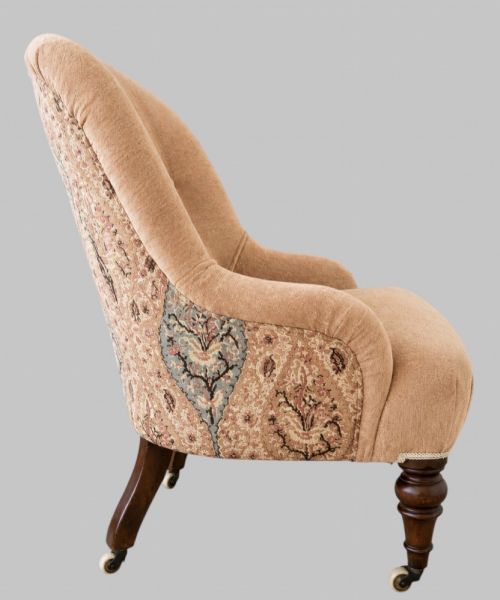
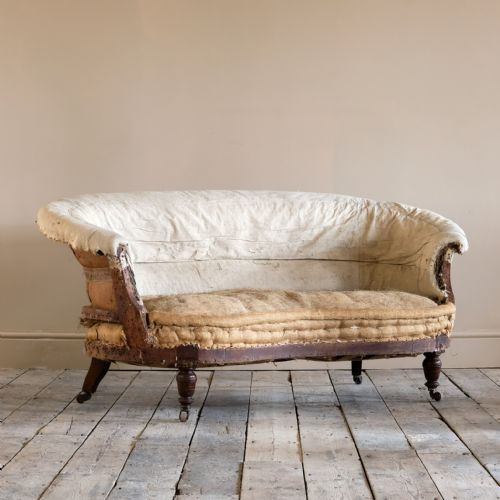
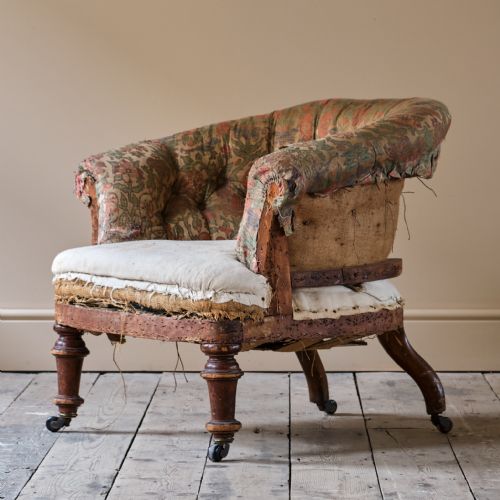

Turned Mahogany Frames
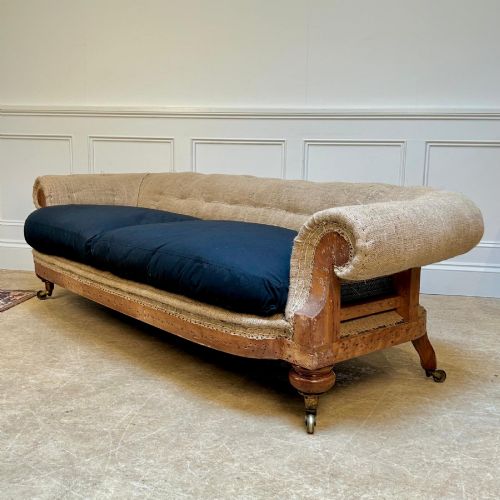
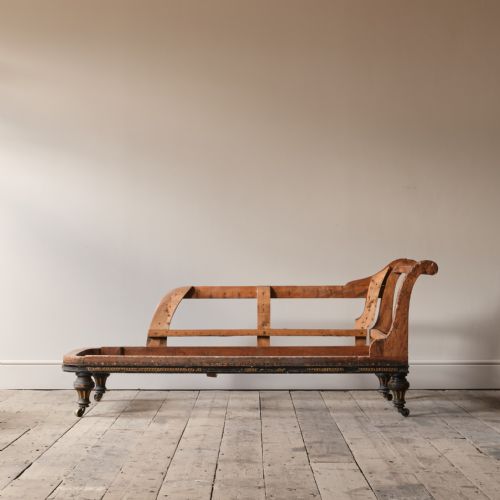
Turned mahogany frames provide the structural timber skeleton for seating and mirrors spanning the Georgian, Regency and Victorian periods.
Turned Mahogany Frames
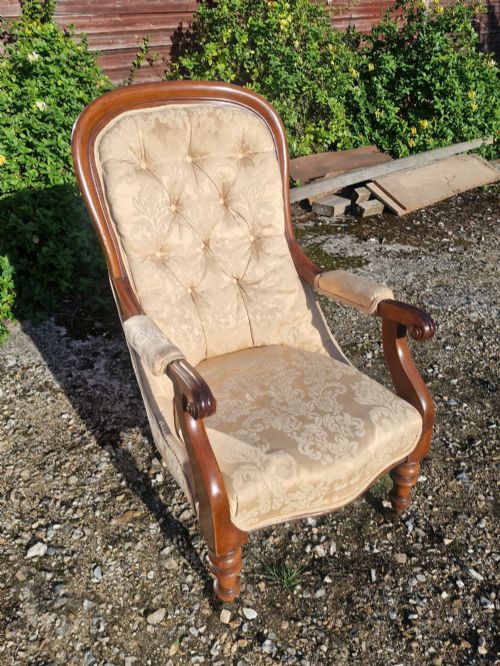
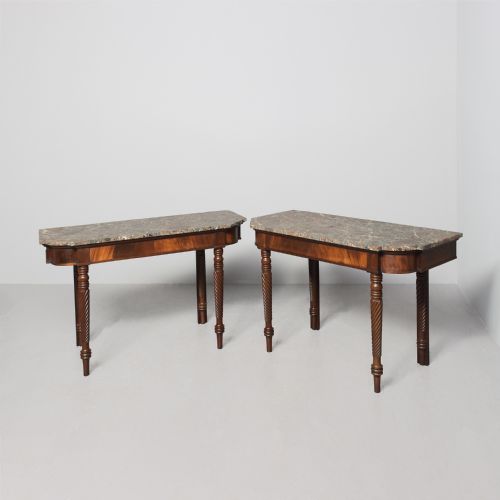
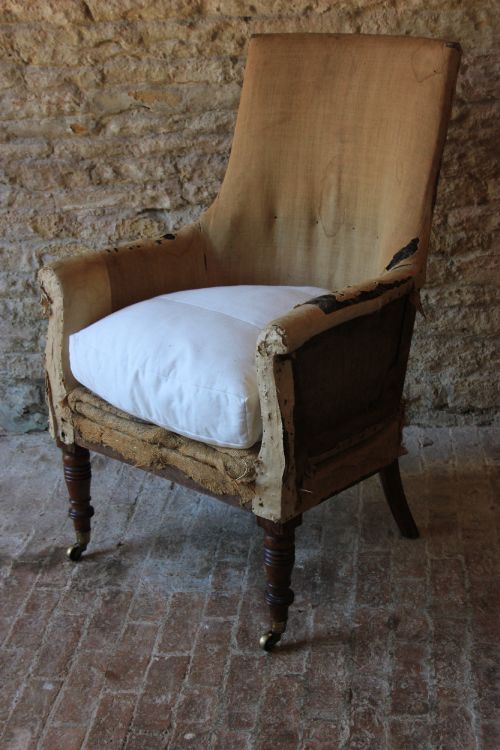
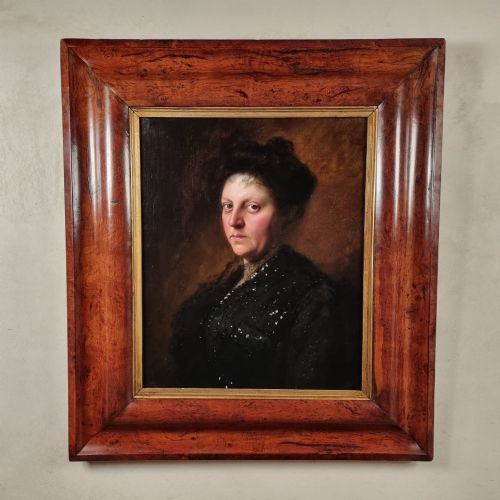
When searching for turned mahogany frames, buyers encounter structural wooden supports primarily belonging to armchairs, library chairs and mirrors originating from the Georgian, Regency and Victorian eras.
The selections span from early nineteenth century examples through to Edwardian pieces, representing various forms of domestic seating and wall hanging mirrors.
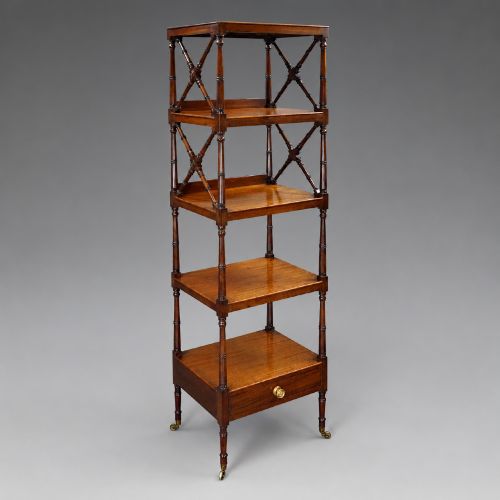
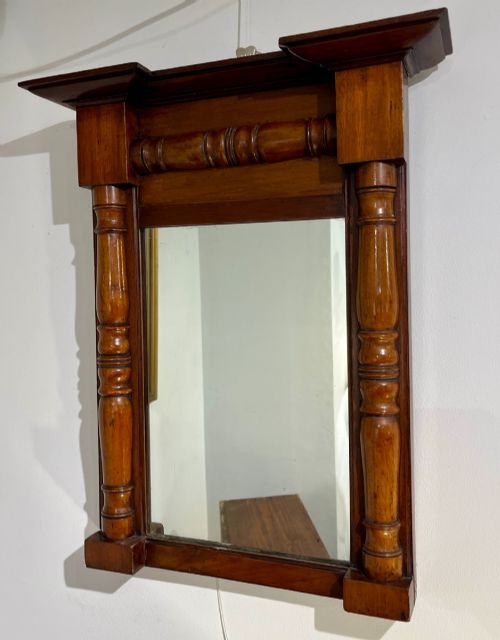
Most pieces display the dark, dense timber characteristic of the period, shaped on a lathe to produce decorative spindles, legs or structural columns.
Materials and construction
Craftsmen utilised mahogany as the primary timber, turning sections on a lathe to create cylindrical supports, legs and spindles.
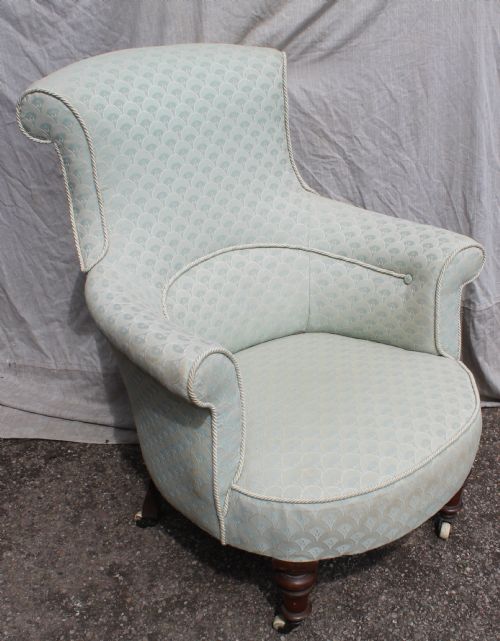
Upholstered items integrate secondary foundation materials including brass, hessian, calico, cotton and velvet to pad and cover the wooden structure.
Turned Mahogany Frames Retail Price Guide 2026
Typical asking prices for turned mahogany frames among the pieces listed under this phrase on Sellingantiques today, from the lower quarter to the upper quarter. They describe what is for sale here now, not the wider market.
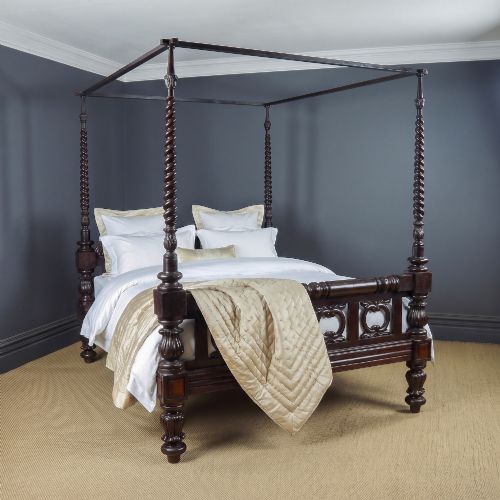
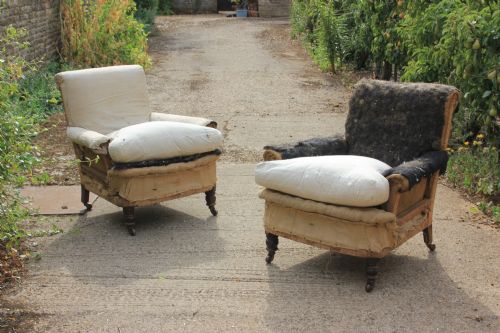
Selected nineteenth-century seating includes bobbin-turned supports alongside campaign beds with detachable legs.
Assessing quality
Quality rests upon the precision of the lathe work and the selection of the timber, where denser grain and crisper turning separate standard joinery from finer workshop production.
The structural integrity of the frame and the retention of original timber components determine the overall merit of surviving examples.
Holland and Sons·Morison and Co·Hampton and Sons·John Taylor Edinburgh
The Turned Mahogany Frames Glossary
- Mahogany
- A durable tropical hardwood imported for high-grade furniture making. It provides a stable base for detailed turning.
- Turned
- Shaped by rotating timber against a cutting tool on a lathe. This technique produces symmetrical columns, legs and spindles.
- Show frame
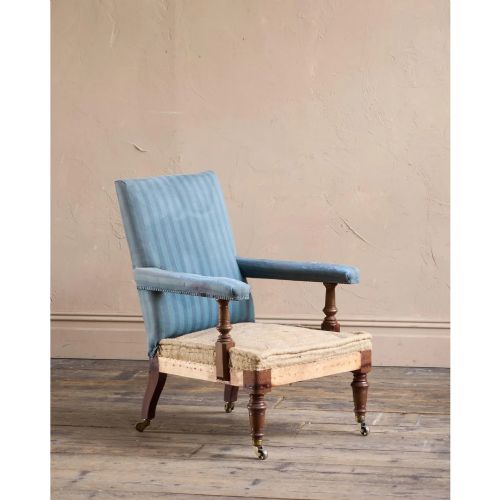
- A wooden structural surround left visible around upholstered areas. It displays the polished grain and turned details.
- Regency
- A design period spanning the early nineteenth century. Pieces from this era often feature classical lines and refined proportions.
Turned Mahogany Frames: Frequently Asked Questions
What are turned mahogany frames?
Turned mahogany frames form the structural wooden skeletons of seating and mirrors produced during the Georgian, Regency and Victorian periods. Craftsmen used lathes to shape the dense hardwood into decorative supports.
These timber skeletons survive either as exposed show frames on armchairs or as the underlying structure of upholstered lounge seating and cheval mirrors.
How do I identify the period?
Dating relies on observing the turning style, timber density and structural proportions characteristic of specific design eras. Georgian and Regency pieces tend to show finer classical detailing.
Later Victorian and Edwardian examples often incorporate heavier dimensions or altered upholstery techniques while retaining the core mahogany structure.
Are these frames sturdy?
Mahogany offers high natural durability and structural stability, making these nineteenth-century frames robust for daily use. The dense grain resists warping under standard domestic conditions.
Joint integrity depends on historical repairs and the preservation of the original turned wooden components over decades of service.
Can I reupholster these items?
Many surviving frames support modern fabric replacement while retaining their original timber show frames and turned legs. Traditional stuffing materials can be updated during conservation.
Care must be taken to protect the polished mahogany surface and delicate turned spindles during any workshop intervention.