


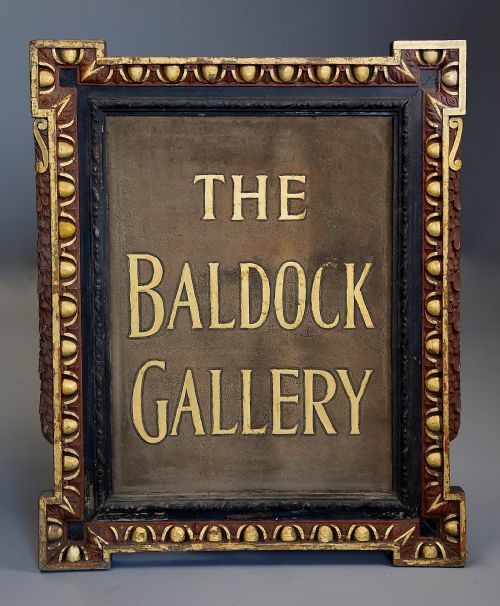


Hand Carved Wooden Sign
A hand carved wooden sign carries the weight of trade and local history, offering tactile warmth that modern printed boards simply cannot match.
Hand Carved Wooden Sign
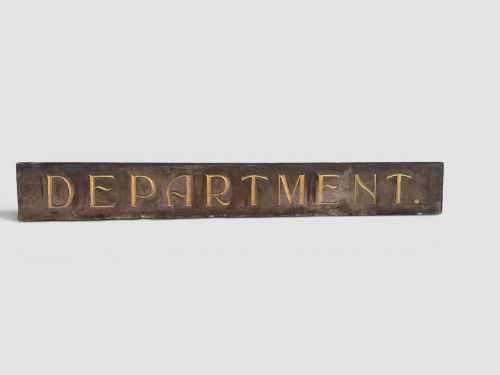
When you search for a hand carved wooden sign, you encounter utilitarian objects shaped by hand for commerce, display, and public architecture. These works span the nineteenth and early twentieth centuries, appearing in forms such as trade signs, department store shop signs, pharmacy boards, and masonic hall markers.
The selections on this page range from robust oak and solid wood displays to painted and gilded shop boards. Alongside larger architectural signage, you find smaller carved elements, fairground panels, and figurative shop trade signs originating from various European and international traditions.
The most common examples on this page date from the nineteenth century through the early twentieth century. They reflect vernacular craft traditions, vernacular folk art, and commercial necessity, serving originally to attract customers to specific premises or trades.
How they were made
Makers shaped these objects using dense timbers suited to detailed incision and outdoor endurance, utilising woods such as oak, limewood, pearwood, and fruitwood. Workers employed hand chisels and gouges to carve lettering and relief imagery directly into the solid timber base.
Surface decoration frequently involved layers of paint and gold leaf applied over the carved wood to ensure visibility and legibility from a distance. These finishes interacted with the grain of the wood, creating weathered patinas through decades of exposure and handling.
A towering wooden rooster stands ready to crow over any room, proving that early commerce had a wonderful sense of theatre.
What varies in quality
Quality in a hand carved wooden sign rests upon the precision of the letterforms and the depth of the relief carving. Skilled hands produced crisp, balanced lettering and expressive figurative details that held the eye from across a street, whereas lesser pieces relied on hurried chisel work and simplistic layouts.
The integrity of the original surface finish defines the upper tier of these pieces. Original paint and gold leaf that have aged naturally without heavy modern overpainting command greater appreciation among collectors who value authentic period character.
Boudewijn Tuerlinckx
The Hand Carved Wooden Sign Glossary
- Trade Sign
- A board or sculptural object hung outside a shop to indicate the proprietor's business. These items formed the visual language of the nineteenth-century high street.
- Gold Leaf
- Extremely thin gold beaten into sheets, applied to wood surfaces for lettering and ornamentation. It caught the daylight to draw trade.
- Relief Carving
- Sculpture in which figures or lettering project from a flat background surface. This technique gave exterior signage durability and shadow.
- Limewood
- A pale, fine-grained wood favoured by carvers for its even texture and lack of splintering. It allowed makers to execute intricate details without grain interference.
Hand Carved Wooden Sign: Frequently Asked Questions
How were old shop signs mounted?
Signboards typically hung from iron brackets attached directly to exterior brickwork or timber framing. This allowed them to swing above the pavement and catch the attention of passing foot traffic.
Inside, larger trade boards rested against interior walls or partitioned spaces within bustling department stores and commercial premises.
How do I clean a painted wooden sign?
Gentle dusting with a soft, dry brush remains the safest method for preserving aged paint and gold leaf surfaces. Avoid using liquid cleaners, detergents, or abrasive cloths that might lift historic pigments from the timber.
Moisture can destabilise brittle nineteenth-century paint layers and cause the underlying wood to swell or crack.
Can these signs be hung outdoors today?
Most antique signs lack the modern chemical sealants required to withstand continuous rain and frost today. Placing them in sheltered exterior spots or keeping them indoors prolongs their survival.
Exposing fragile nineteenth-century painted timber to the elements accelerates the loss of original colour and surface texture.
How can I tell the age of the wood?
Examination of tool marks, fixing holes, and the natural oxidation of the timber reveals clues about age. Hand-chiselled edges differ sharply from modern machine-cut profiles.
The shrinkage patterns and the depth of the patina built up through decades of handling also help indicate a nineteenth-century origin.