



Carved Trade Sign
These carved trade sign pieces served commerce before mass printing, offering robust sculptural presence for modern interiors.
Carved Trade Sign
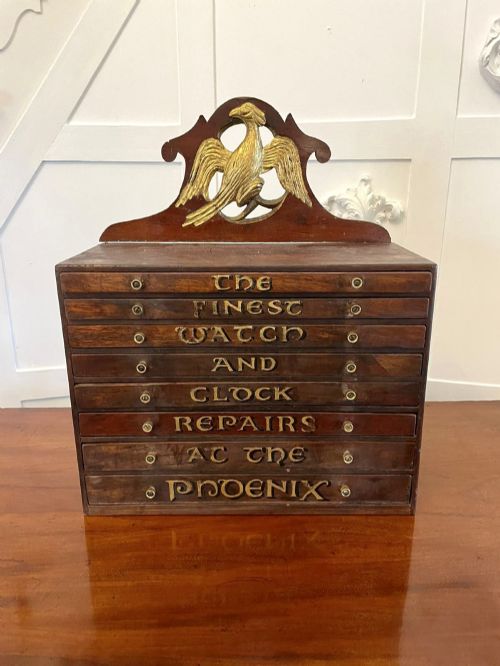
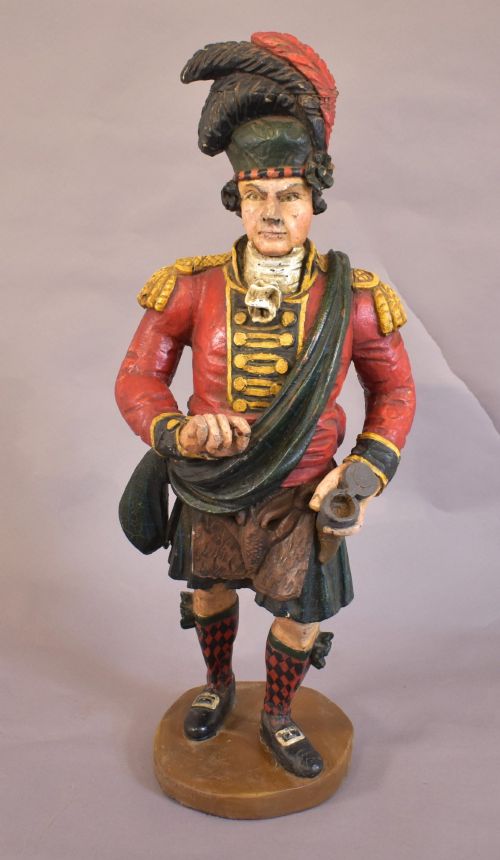
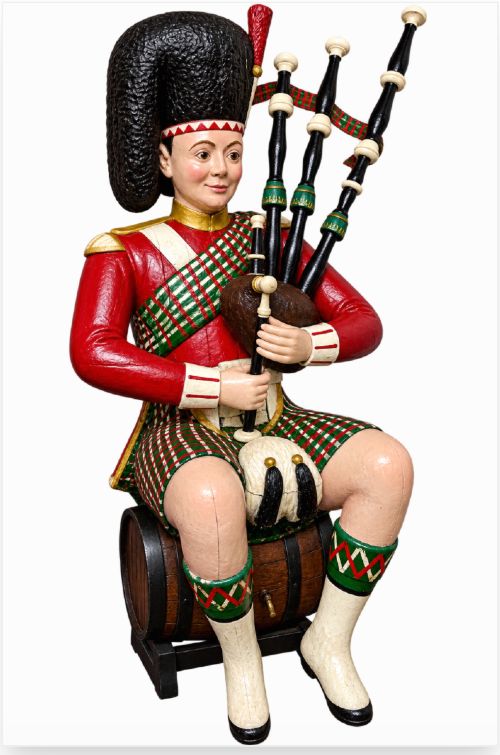
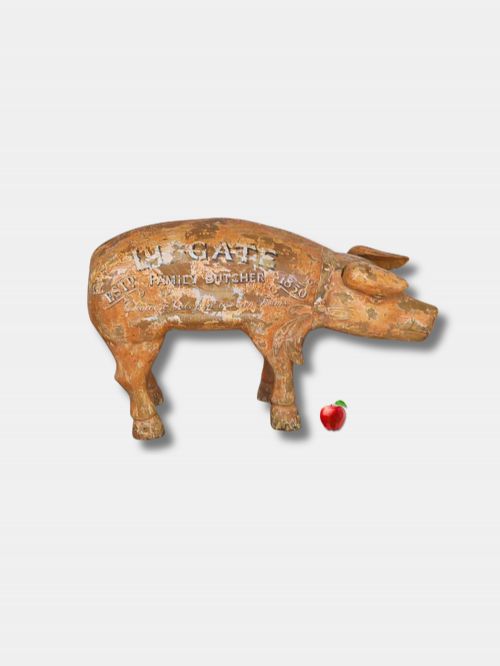
A carved trade sign acts as a physical advertisement for historic shops, featuring robust representations of goods, animals, and tradesmen. Buyers searching this phrase encounter figures and boards created to catch the eye of the street.
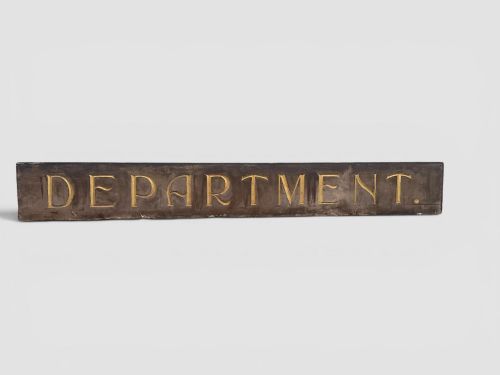
The selection ranges from life-size tobacco figures and department store shop signs to specific trade displays like fish shop signs and locksmith emblems. Most pieces originate from the nineteenth century or the early twentieth century.
Regional styles vary from English butcher boards to French provincial butcher displays and American cigar store figures. Each object holds a distinct commercial history rooted in local craftsmanship.
Materials and construction
Makers shaped these objects primarily from solid wood, often utilising pine or oak to form the main bodies of figures and boards. Wood carvers employed hand chisels to create deep relief and three-dimensional forms.
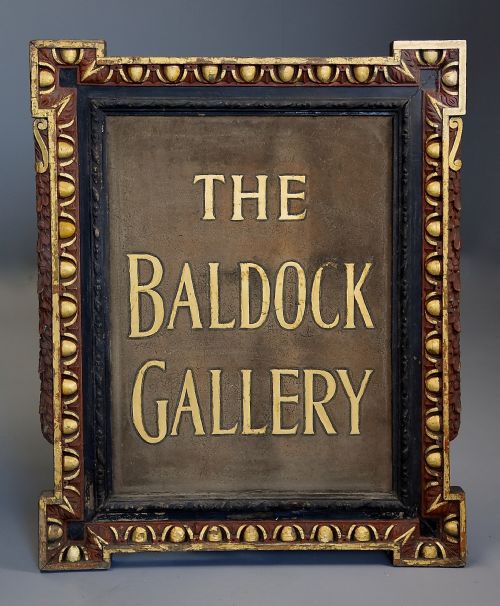
Surfaces received layers of paint, polychrome decoration, and gesso to withstand outdoor exposure and enhance visibility. Gilding with gold leaf frequently highlighted lettering and important focal points on the signage.
Carved Trade Sign Retail Price Guide 2026
Typical asking prices for carved trade sign among the pieces listed under this phrase on Sellingantiques today, from the lower quarter to the upper quarter. They describe what is for sale here now, not the wider market.
Recorded periods span the eighteenth century, nineteenth century, Victorian era, Edwardian period, and the 1920s.
Assessing quality and depth
Quality rests upon the skill of the carver in achieving naturalistic proportions and expressive detail in figures and animal forms. Superior examples demonstrate confident toolwork and well-balanced composition.
The preservation of original painted surfaces and gold leaf influences desirability. Patina accumulated through age and exposure contributes character without obscuring the original form.
The Carved Trade Sign Glossary
- Polychrome paint
- Decoration applied using multiple colours to bring realism and contrast to carved wooden surfaces. This technique allowed shop signs to mimic the true hues of merchandise and tradesmen's clothing.
- Gesso
- A plaster-like mixture applied to wood as a smooth base for gilding and fine painting. It provided a durable surface for exterior signage exposed to the weather.
- Gold leaf
- Extremely thin sheets of beaten gold applied to highlighted lettering and decorative elements. It caught the daylight to ensure visibility from a distance.
- Folk art
- Utilitarian or decorative objects created by self-taught or community artisans outside academic traditions. These pieces reflect regional aesthetics and practical craftsmanship.
Carved Trade Sign: Frequently Asked Questions
Where were these signs displayed?
Merchants hung or mounted these signs above shop doorways or placed them on the pavement to advertise specific trades to passers-by.
They stood outside butchers, tobacconists, galleries, and pharmacies to draw customers into the premises.
How do I clean a painted wooden sign?
Dust the surface gently with a dry, soft cloth to remove everyday accumulation without disturbing the historic finish.
Avoid liquid cleaners or abrasive agents that might lift the original paint or gold leaf.
Are these signs suitable for outdoor display?
Most historic signs were originally built for the outdoors but now survive best in stable indoor environments.
Fluctuating temperatures and moisture can cause historic wood to split and old paint layers to flake.
What trades are most common?
Tobacconists, butchers, and general merchants are frequently represented by figures and boards in this category.
Specialist trades like locksmiths and art galleries also commissioned distinct sculptural advertisements.