





Antique Store Sign
These pieces of antique store sign heritage bring historic commercial character into a room.
Antique Store Sign
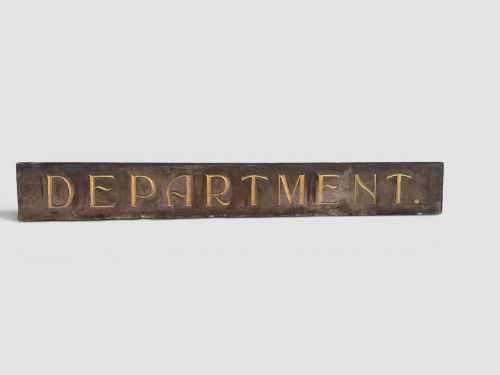
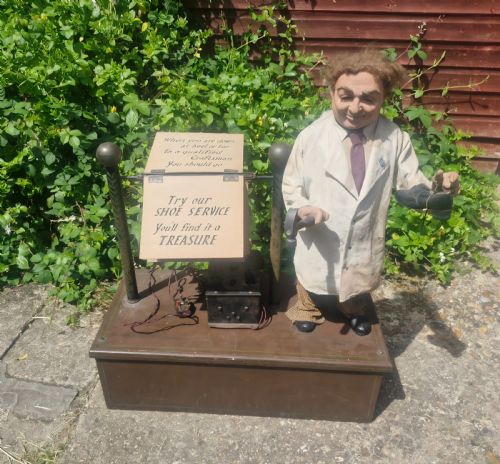
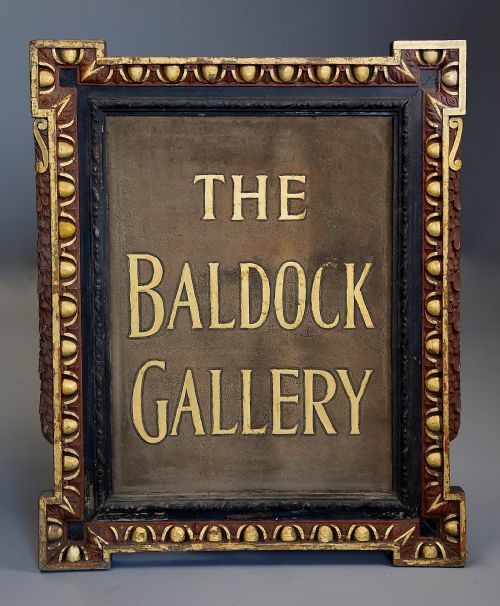
An antique store sign serves as a surviving piece of commercial history, encompassing trade signs, advertising figures, and painted window panels. Buyers hunting for an antique store sign will encounter everything from large department store timber boards to intricate reverse cut glass panels.
The selection ranges across the nineteenth century, the Edwardian era, and into the 1920s and 1930s commercial periods. Painted wood, iron, and enamel dominate the forms, reflecting the varied trades of tobacconists, chemists, and hardware merchants.
Materials and construction
Wood, paint, iron, and glass form the primary material vocabulary of these pieces, often enriched with gold leaf and brass fittings. Artisans carved solid timber for trade signs and figures, applying hand-mixed paint and gilding to ensure legibility from the street.
Glass panels utilise reverse cutting and painting techniques to protect the decorative surface from weather and wear inside bustling shop windows. Metal components rely on iron fabrication and enamel fusing for durability in exterior settings.
Listings feature oak, pine, and iron materials across nineteenth-century and Edwardian commercial periods.
Distinctions in quality
Quality rests upon the crispness of the original hand-lettering and the skill evident in carved wooden figures or sculptural trade signs. Superior examples retain their untouched painted surfaces and authentic gilding without heavy modern restoration.
The depth of artistic detail in pictorial enamel panels and reverse cut glass separates ordinary advertising from exceptional folk art craftsmanship. Provenance and clear trade attribution further elevate the standing of a piece within this category.
Gerwin & Co Birmingham·Watsons Matchless Soap·Holdfast Boots·Palethorps
The Antique Store Sign Glossary
- Trade sign
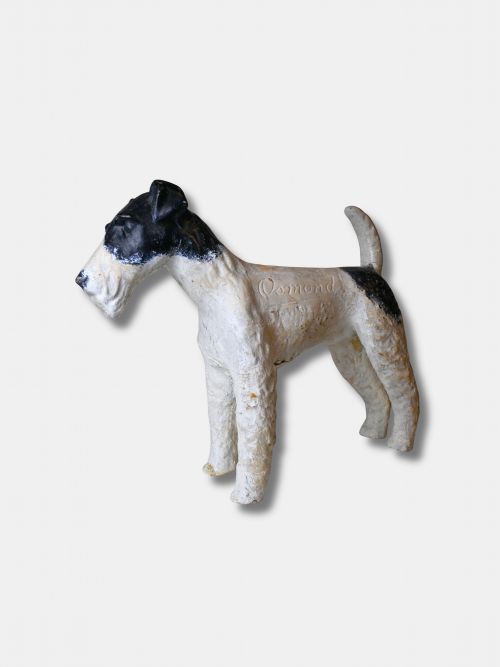
- A functional object hung outside a commercial establishment to indicate the specific trade or merchandise sold within. These often took literal sculptural forms such as pocket watches, boots, or animals.
- Reverse cut glass
- A technique where lettering and imagery are etched or carved into the rear side of a glass panel before being painted and gilded. This protects the delicate artwork from damage.
- Advertising figure
- A life-size or large-scale sculptural display piece utilised by merchants to draw custom from the pavement. Examples include animals, human figures, and specific brand mascots.
- Enamel sign
- A durable sheet metal sign fused with powdered glass through high-heat firing to create a glossy, weather-resistant surface. These frequently feature pictorial designs for household goods and food products.
- Sample board
- A merchant board displaying a manufacturer's various hardware or product offerings for prospective buyers to examine. These combine practical utility with orderly visual arrangement.
Antique Store Sign: Frequently Asked Questions
Where were trade signs originally hung?
Shop owners mounted trade signs above doorways or projecting outward from building facades on iron brackets. This placement ensured pedestrians walking along busy nineteenth-century streets could spot the establishment easily.
Interior walls and windows also accommodated smaller glass panels and sample boards. These locations protected delicate painted surfaces from direct weather exposure.
How do I date an enamel sign?
Enamel signs rely on typography, manufacturing techniques, and the specific brand history depicted on the metal surface. Early twentieth-century pieces often display rich pictorial graphics and heavy gauge iron construction.
Examining the mounting holes and the edges can also reveal clues about the manufacturing era. Untouched grommets and specific maker stamps help confirm the period of production.
Are trade signs suitable for outdoor display?
Most antique store signs prefer indoor environments where humidity and temperature remain stable. Original paint, gold leaf, and exposed wood deteriorate quickly under modern moisture and frost.
Protected porches or interior gallery walls offer safe alternatives for showcasing heavy timber and iron pieces. This approach preserves the fragile historical surfaces for the future.
What trades used sculptural figures?
Tobacconists, cobblers, and chemists frequently employed carved wooden figures and large models to advertise their specific wares. A carved rooster might indicate poultry merchants, while pocket watch signs marked watchmakers.
These sculptural forms acted as universal visual markers in eras when literacy rates varied. They provided an immediate, eye-catching advertisement for passing pedestrian trade.