


Antique Shop Sign
An antique shop sign marks the thoroughfares of past commerce, cast in iron, painted on pine, and lettered on glass to catch the eye of the Victorian or Edwardian passerby.
Antique Shop Sign
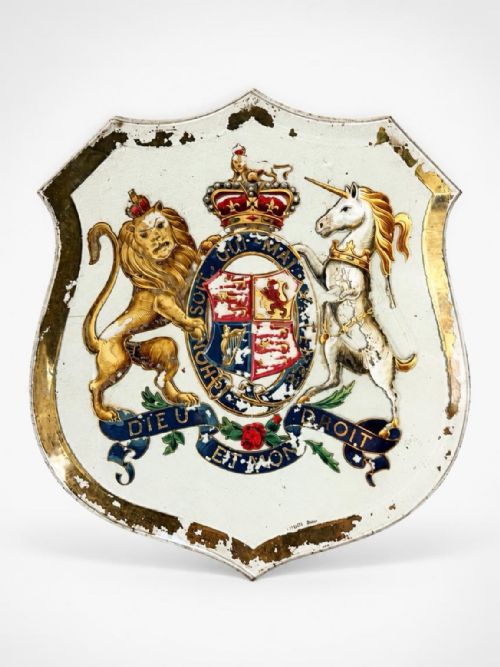
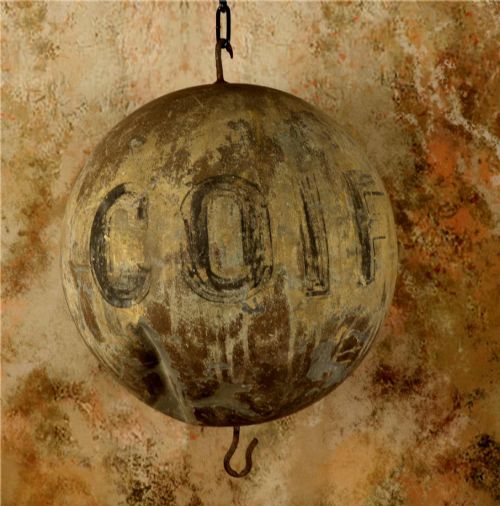
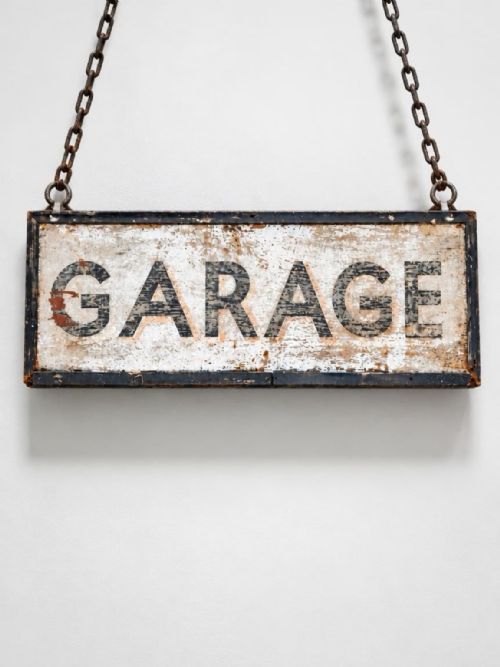
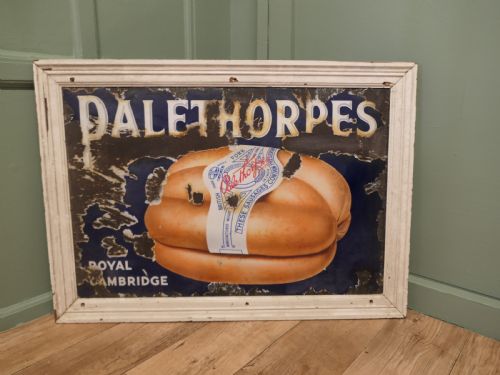
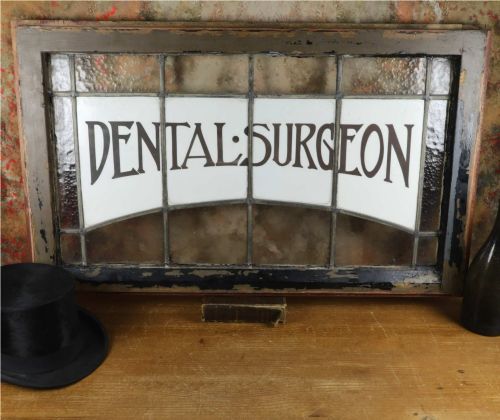
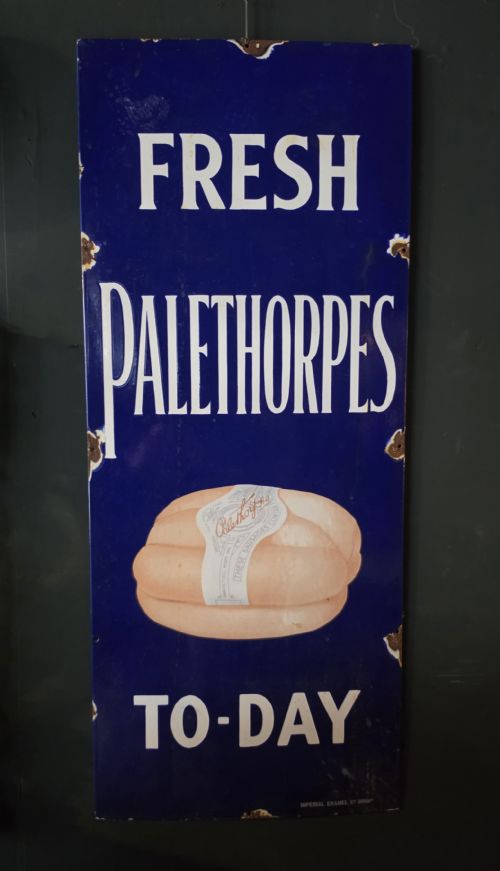
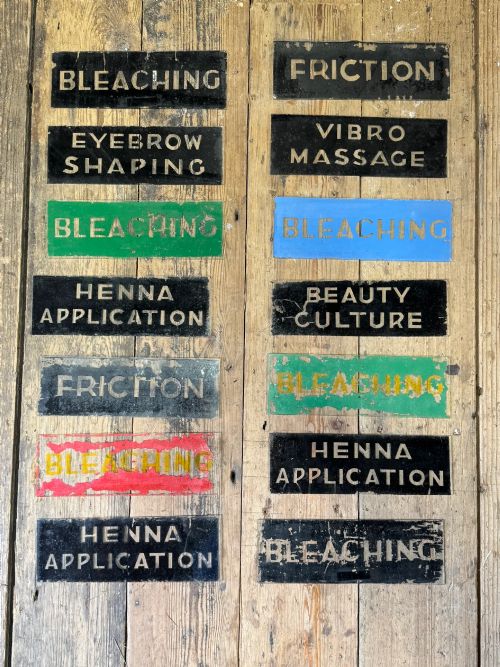
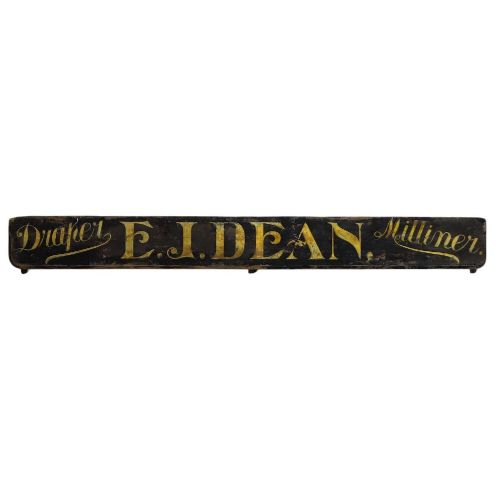
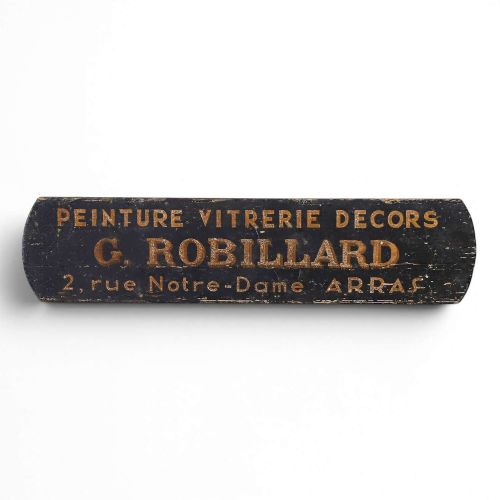
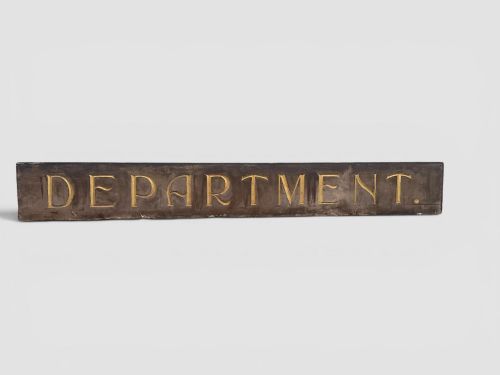
When searching for an antique shop sign, a buyer encounters trade figures, wall boards, and architectural remnants that once advertised high streets and markets. These pieces span the Victorian, Edwardian, and early twentieth-century eras, reflecting the diverse trades of butchers, opticians, dentists, and pawnbrokers. The most frequently met examples on this page are hand-painted timber boards, reverse-painted glass panels, and vitreous enamel advertisements.
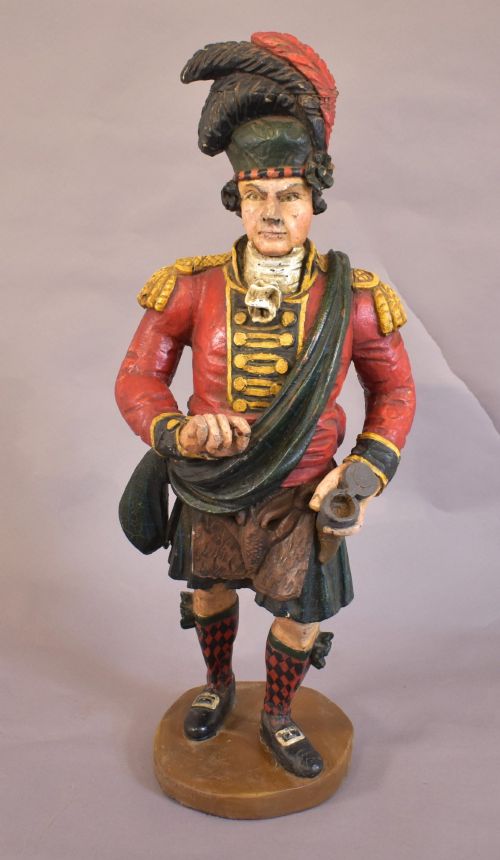
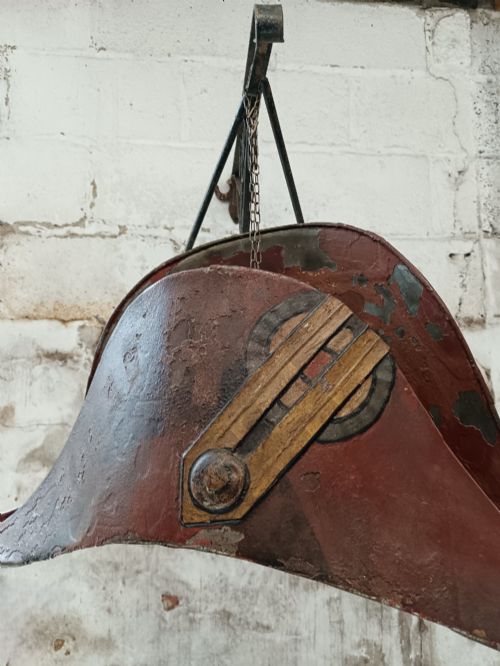
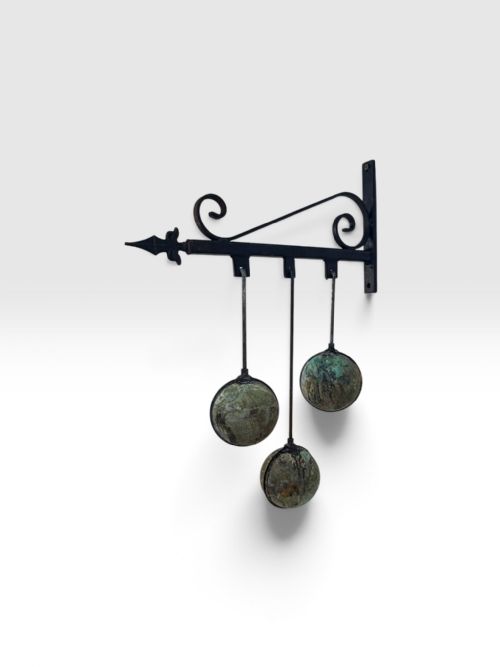
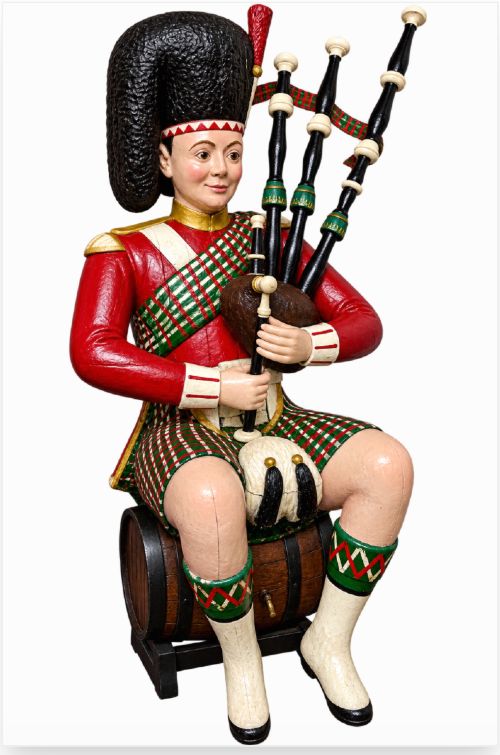
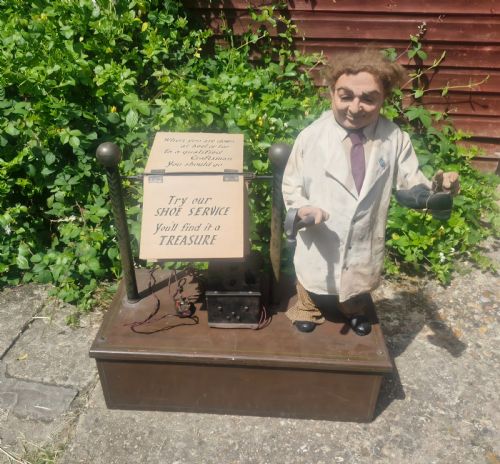
The assortment includes dimensional trade figures, such as carved highlanders and display models of loaves or animals, which served as tangible symbols for passersby. Architectural elements like sign brackets and double-sided hanging panels appear alongside flat wall signage in iron, brass, and copper. Together, these artefacts map out the physical vocabulary of historical retail and local commerce.
Materials and construction methods
Signwriters and craftsmen relied on durable substrates capable of enduring outdoor conditions, predominantly selecting pine, mahogany, and cast or wrought iron. Timber boards received lead-based paints and hand-lettered signwriting, sometimes incorporating gold leaf for emphasis. Glass panels were frequently reverse-painted or cut and painted to protect the delicate pigments from weather and wear.
Metal components involved vitreous enamel fused onto iron sheets for high-visibility advertising, alongside cast bronze, brass, and copper fittings. Carved figures and display models utilised solid woods, composition materials, and painted finishes to create robust, three-dimensional representations of the goods sold within.
Antique Shop Sign Retail Price Guide 2026
Typical asking prices for shop sign among the pieces listed under this phrase on Sellingantiques today, from the lower quarter to the upper quarter. They describe what is for sale here now, not the wider market.
Listings feature items from the Victorian, Edwardian, 1890, 1900, 1910, 1920, and 1930 periods, executed in paint, wood, glass, iron, and vitreous enamel.
Factors determining the tier of a piece
Quality rests upon the crispness of the original signwriting, the survival of the untouched painted surface, and the presence of authentic hanging brackets or original frames. Pieces retaining their genuine working context, provenance, or specific trade attribution command greater interest than plain or later-altered boards.
The integrity of the material foundation, whether carved wood, reverse-painted glass, or vitreous enamel, dictates longevity. Signage showing honest weathering with undisturbed patination stands apart from heavily restored or later repainted examples.
Gerwin Co Birmingham
The Antique Shop Sign Glossary
- Vitreous enamel
- A material made by fusing powdered glass to a substrate by firing, producing a durable, glossy coloured surface used for outdoor advertising.
- Reverse-painted glass
- A technique where the image and lettering are applied to the back of the glass plate, viewed from the unpainted front to create a deep, glossy finish.
- Trade sign
- A functional object or board hung outside a commercial establishment to indicate the specific trade or goods offered by the merchant.
- Toleware
- Lacquered or enamelled metalware, often shaped into functional objects or directional markers.
- Signwriting
- The art and technique of painting lettering and graphic designs by hand onto a board or window.
Antique Shop Sign: Frequently Asked Questions
What is an antique shop sign?
An antique shop sign is a functional piece of commercial art used during the nineteenth and early twentieth centuries to advertise a trade, service, or retail establishment to the public.
These items encompass flat wall boards, hanging glass panels, dimensional trade figures, and metal advertising plaques created from materials like pine, iron, glass, and enamel.
How were shop signs displayed?
Merchants mounted these signs directly onto exterior brickwork using wrought iron brackets, hung them perpendicular to pedestrian traffic, or placed them inside shop windows.
Some designs, such as double-sided glass or metal panels, caught foot traffic from multiple directions along busy Victorian and Edwardian high streets.
How do I date an antique sign?
Dating relies on observing the combination of materials, typography styles, construction techniques, and recorded periods such as Victorian, Edwardian, or the 1920s and 1930s. Original hand-lettering methods, specific trade practises, and substrate choices like solid pine or early enamel provide reliable chronological markers.
How do I live with a shop sign?
These large, characterful pieces suit generous interior wall spaces, hallways, or commercial premises where their historic lettering and patination can serve as a strong focal point. Secure mounting is essential due to the substantial weight of timber boards, cast iron brackets, and glass panels.