



Antique Folk Art Sign
An antique folk art sign carries the direct, hand-painted voice of a former trade, offering an unpretentious piece of commercial history for your wall.
Antique Folk Art Sign
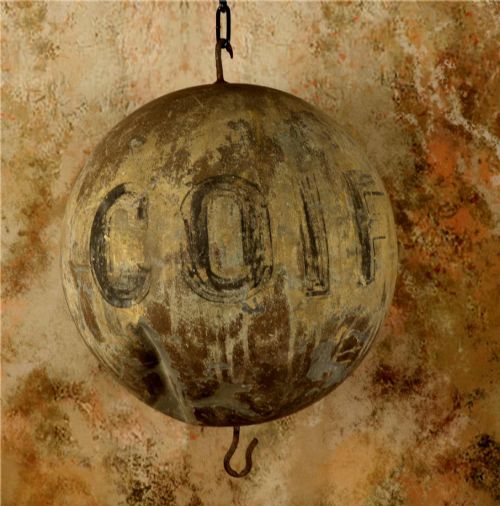
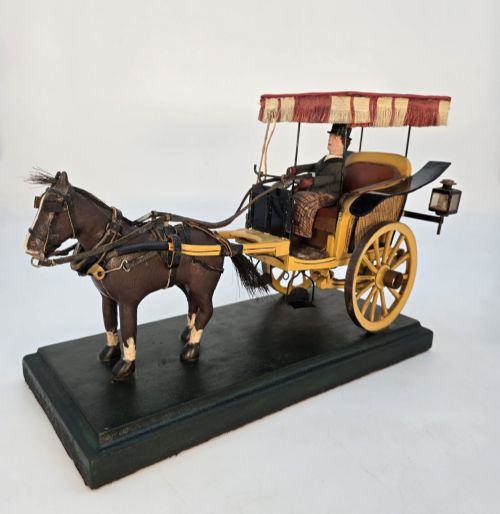
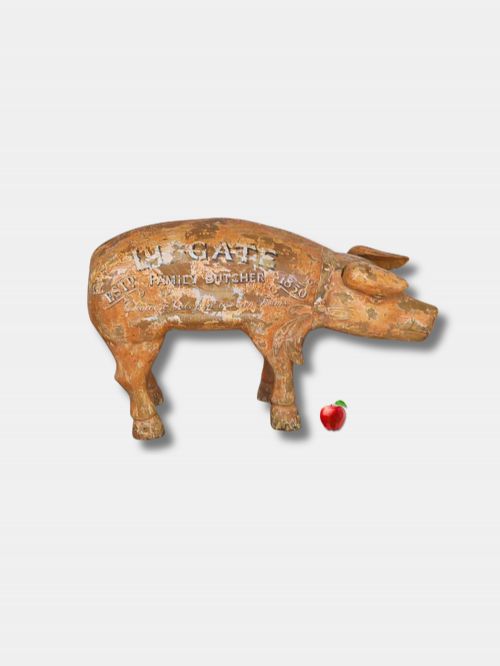
When you search for an antique folk art sign, you encounter painted boards, carved trade figures, and fairground panels that once advertised butcher shops, bakeries, and general trades. These pieces hail predominantly from the Victorian, Edwardian, and early twentieth-century periods, capturing a time when commerce relied on vivid visual markers rather than mass-produced plastic. Most examples you meet on this page take the form of large painted pine display signs or carved wooden figures.
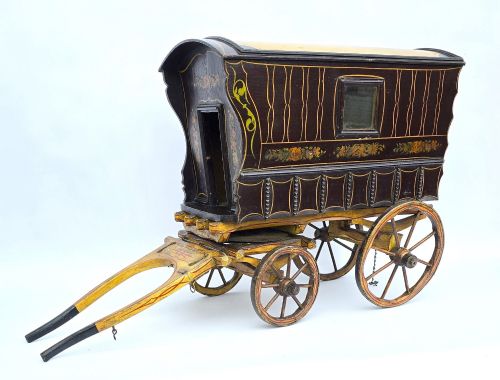
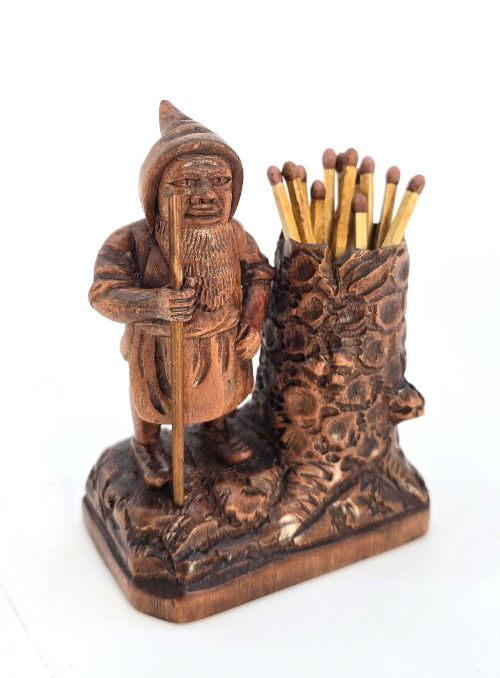
The materials reflect the practical needs of nineteenth and early twentieth-century makers, combining sturdy timber with polychrome paint and sheet metal. You will find trade signs alongside carved display models of animals, loaf of bread figures, and carnival fairground game panels. Their origins span English, French, and Black Forest workshops, each bringing distinct regional character to the category.
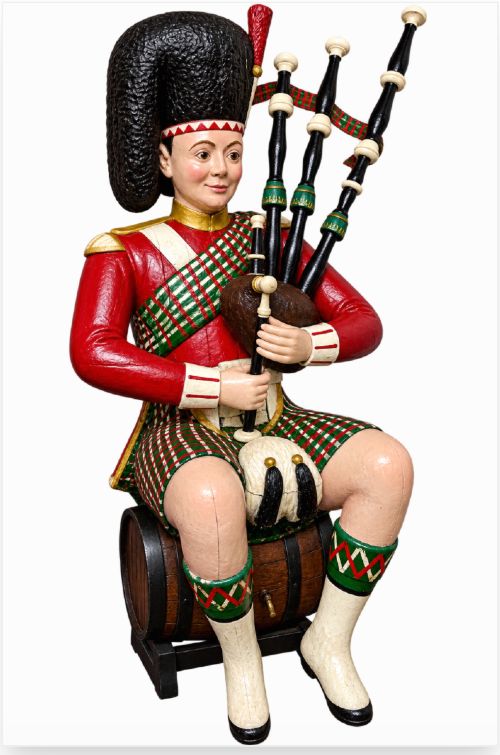
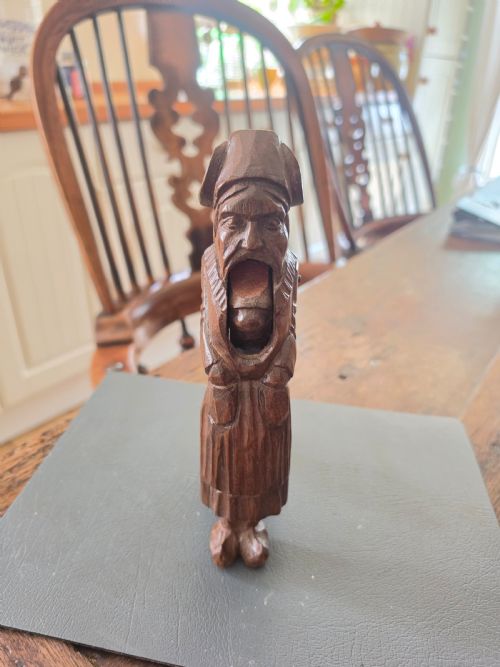
Beyond standard flat boards, the selection includes dimensional trade figures like American Indians and highlander pipers, alongside giant shoes and mechanical rides. These objects served a functional purpose outside a shop or fairground attraction, which explains their robust construction and weathered surfaces. Surviving examples demonstrate how vernacular art intertwined directly with daily commerce.
Materials and construction
Makers utilised available timbers such as pine, oak, and limewood, shaping them with hand tools to form flat display boards and three-dimensional trade figures. Wood was frequently carved, joined, and smoothed before receiving coats of paint.
Polychrome paint and applied lettering provided the essential visual information for passers-by, using oil-based pigments designed to withstand outdoor conditions. Sheet iron and metal additions reinforced structural elements, particularly on fairground panels and mechanical figures.
Antique Folk Art Sign Retail Price Guide 2026
Typical asking prices for folk art sign among the pieces listed under this phrase on Sellingantiques today, from the lower quarter to the upper quarter. They describe what is for sale here now, not the wider market.
Listings feature items from the Victorian and Edwardian eras, incorporating wood, sheet iron, and polychrome paint.
Assessing quality and character
The strength of the lettering and the confidence of the carving dictate the visual impact of a sign or trade figure. Superior pieces display assured brushwork and sculptural depth that elevate them from simple commercial markers to compelling works of vernacular art.
Original surface preservation determines the desirability of these objects. Pieces retaining their early polychrome paint without excessive modern overpainting offer a more authentic connection to their working past.
R.D. Roberts
The Antique Folk Art Sign Glossary
- Trade sign
- A board or hanging object displayed outside a shop to advertise the goods or services sold within. These range from simple painted pine boards to elaborate carved figures.
- Polychrome paint
- The application of multiple colours to wood, metal, or stone surfaces. It defines the vibrant exterior finish seen on many antique signs and fairground panels.
- Trade figure
- A three-dimensional carved or constructed human, animal, or object used for commercial advertising. Examples include tobacco figures and giant boots.
- Fairground panel
- A decorative painted wooden board created for amusement rides and carnival games. They typically feature bold imagery designed to attract fairgoers.
- Black Forest
- A style of wood carving originating from the European region of the same name, known for detailed animal sculptures. Pieces from this tradition often feature naturalistic depictions of cattle and wildlife.
Antique Folk Art Sign: Frequently Asked Questions
How do I hang a heavy wooden sign?
Large painted timber signs require secure fixings into structural wall studs or masonry to support their considerable weight safely. Using heavy-duty brackets that distribute the load across the frame protects the historic wood from stress.
Position the sign at eye level where the painted lettering and surface texture can be appreciated properly. Ensure the display area avoids excessive moisture and direct sunlight to preserve the original paint.
What is the difference between a trade sign and a fairground panel?
Trade signs were commissioned by businesses like butchers and bakers to advertise specific services directly to the public. They focus on clear lettering, goods, or trade figures.
Fairground panels were made for entertainment venues, featuring dynamic imagery such as galloping horses and game graphics. Their primary function was visual excitement rather than commercial identification.
How should I clean an antique painted sign?
Dust the surface gently with a soft, dry cloth to remove loose debris without disturbing fragile or flaking paint layers. Avoid using water, detergents, or modern cleaning solvents on historic painted wood.
If the piece requires further attention, consult a professional conservator who specialises in vernacular art surfaces. Preserving the original weathered patina is essential for maintaining the integrity of the object.
Can I display these pieces outdoors?
Antique signs and trade figures were originally made for outdoor use, but centuries of ageing have made their surfaces vulnerable. Rain, frost, and fluctuating temperatures will cause historic paint and timber to deteriorate rapidly.
Keep these items indoors within a stable environment to protect the pigment and wood from further decay. Indoor display allows you to appreciate the intricate details safely.