




Commercial Trade Display
Commercial trade display pieces bring character and history into a room, offering genuine architectural presence from past eras.
Commercial Trade Display
Commercial trade display pieces encompass shop display models, trade signs, wall signage, and advertising signs designed to attract business in earlier centuries. Buyers searching for commercial trade display will encounter items originating from the Victorian period through to the 1930s.
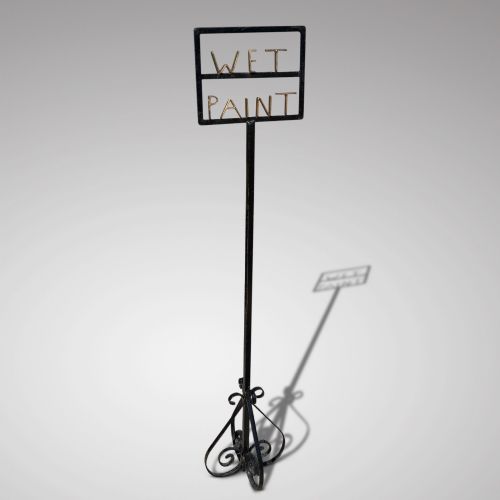
The objects available include standing signs, sculptures, and shop counters, reflecting the diverse ways traders marketed their wares. Surviving examples range from painted iron butchers window display pigs to carved cigar store American Indians and automated cobblers models.
Most pieces date from the late nineteenth century and the early decades of the twentieth century, embodying industrial folk art and Edwardian commercial aesthetics. These survivals offer a direct link to historical retail environments and traditional trade craftsmanship.
Materials and construction
Makers utilised robust materials such as wood, iron, and brass to withstand the rigours of daily commercial environments. Paint was frequently applied to wood and metal surfaces to create legible lettering and striking visual forms for street-level advertising.
Composite materials, glass, and fabric also appear in these functional objects, combining structural integrity with eye-catching display qualities. Cabinetry work in walnut and mahogany supported retail operations, whilst wrought iron provided durability for exterior signs.
Commercial Trade Display Retail Price Guide 2026
Typical asking prices for commercial trade display among the pieces listed under this phrase on Sellingantiques today, from the lower quarter to the upper quarter. They describe what is for sale here now, not the wider market.
Assessing quality and authenticity
Quality in commercial trade display rests on the strength of the original design, the integrity of the materials, and the preservation of authentic surface paint. Pieces featuring detailed carving or specialised mechanical elements demonstrate higher levels of original workshop skill.
The survival of original wooden frames, untouched painted surfaces, and genuine hardware distinguishes superior examples from heavily restored alternatives. Patina accumulated through decades of commercial use adds depth to better-preserved specimens.
Josef Herzog
The Commercial Trade Display Glossary
- Trade sign
- A functional board or sculpture displayed outside a shop to advertise the profession or goods sold within. These objects formed an essential visual language for high streets before standardised branding.
- Display model
- A three-dimensional representation of a product or trade, such as a loaf of bread or an animal, used to draw customer attention inside a shop. Such items were typically commissioned from skilled craftsmen.
- Counter
- A sturdy shop furniture piece designed for serving customers and transacting business. Victorian examples often incorporated adjustable feet and durable timbers like mahogany.
Commercial Trade Display: Frequently Asked Questions
What are commercial trade display pieces?
Commercial trade display pieces are historical objects originally used by shops and businesses to advertise their services or goods to the public. They include painted signs, window figures, and specialised models.
These items range from Victorian counter furniture to early twentieth-century advertising signs, reflecting the commercial visual culture of past decades.
How were trade signs used?
Trade signs were mounted outside shops or placed in windows to communicate the trade carried out inside to passersby. Sculptural signs like carved figures or large pocket watch clocks instantly identified the merchant's profession.
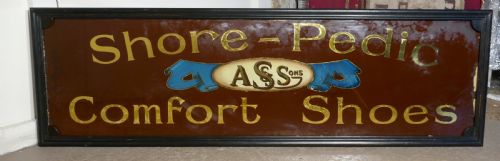
Inside the shop, display models attracted attention to specific goods, such as bread, meat, or footwear.
How do I style trade signs at home?
Trade signs and display models work well as focal points on large walls or displayed on sturdy shelving units. Their strong graphic lettering and sculptural forms complement industrial, eclectic, and traditional interior schemes.
Allowing the pieces space to breathe lets their original painted surfaces and historical patinas stand out in a domestic setting.
How can I tell the period of a display piece?
Dating relies on observing the combination of materials, fastening methods, and the style of lettering or paintwork used. Victorian pieces often feature dense timbers like mahogany and walnut, whilst 1920s and 1930s items frequently incorporate iron, glass, and distinct commercial typography.
Comparing construction techniques with dated examples helps establish the likely era of manufacture.