

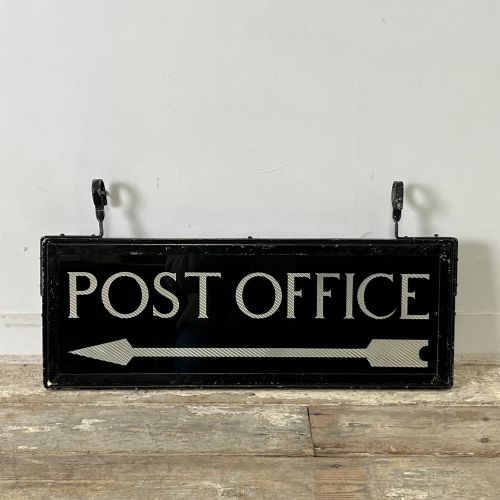
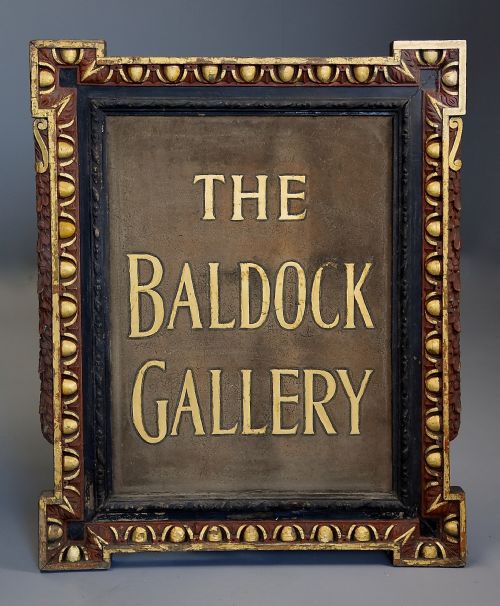
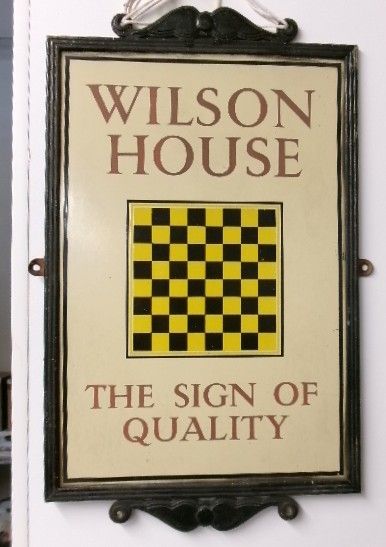
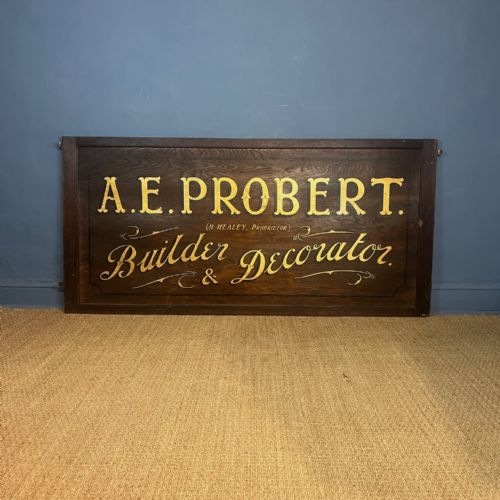


Vintage Pub Sign
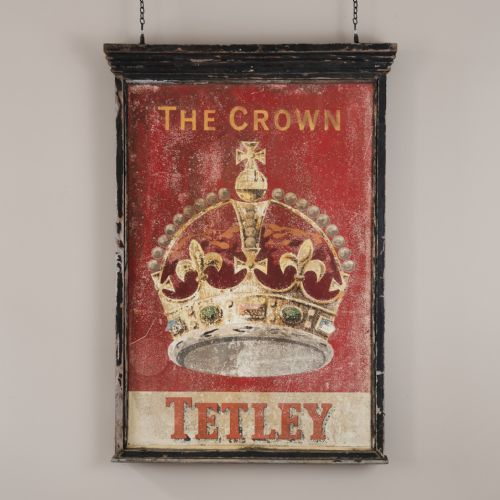
A vintage pub sign brings tangible social history indoors, offering characterful painted surfaces and weathered metal that anchor a room with distinct narrative.
Vintage Pub Sign
When you search for a vintage pub sign, you encounter heavy trade boards, glass panels and painted metal markers originating from commercial environments. These pieces range from Victorian examples to items produced through the 1920s and 1930s, reflecting the practical needs of traditional public houses and trades.
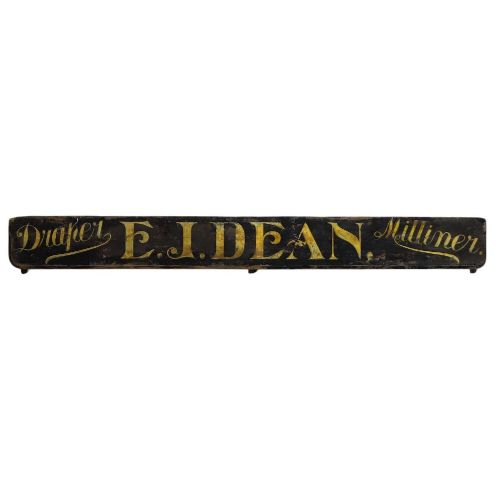
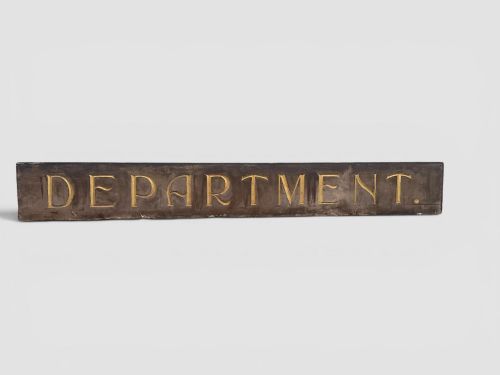
The most common versions on this page combine timber, iron brackets and painted lettering. You also discover related trade signs, advertising mirrors and directional markers from the Edwardian era and the early twentieth century.
These items were built to withstand outdoor exposure or bustling commercial interiors. Their survival depends on the durability of their original materials, such as wrought iron, oak and thick glass.
How they were made
Makers utilised solid pine, oak and wrought iron to construct the primary bodies and hanging brackets of these boards. Paint, gold leaf and enamel provided legible lettering and imagery designed to catch the eye from a distance.
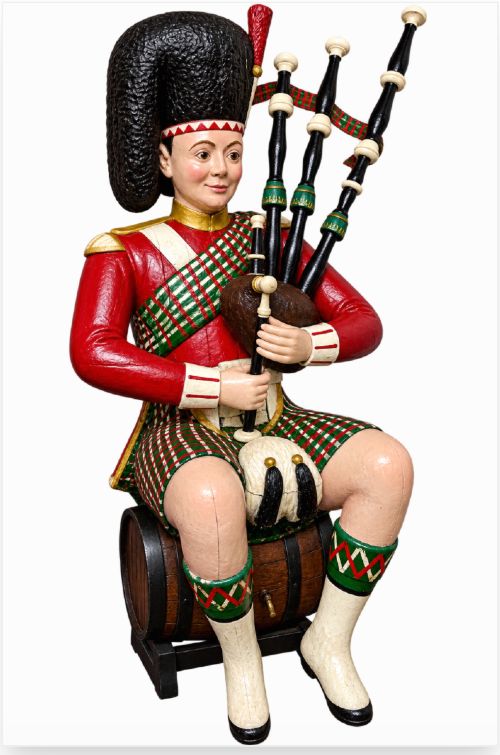
Glass panels relied on etching and reverse painting techniques, often paired with wooden frames or original metal mounts. Woodcarving appeared on specialised trade figures and dimensional shop markers.
The construction prioritized structural strength to endure wind and constant handling. Iron components were hand-forged or cast, while wooden panels received multiple coats of protective paint.
Vintage Pub Sign Retail Price Guide 2026
Typical asking prices for vintage pub sign among the pieces listed under this phrase on Sellingantiques today, from the lower quarter to the upper quarter. They describe what is for sale here now, not the wider market.
Object forms documented here include trade signs, wall mirrors, architectural salvage and double-sided hanging boards.
What varies in quality
The distinction between ordinary and superior pieces rests on the depth of hand-painted detail and the originality of the mounting hardware. Skilled signwriters employed precise lettering and subtle shading that elevated a utilitarian board into notable folk art.
Material selection also dictates the grade of the piece, with heavy carved wood, cast bronze fittings and thick etched glass representing superior fabrication. The integrity of the surface layer, whether distressed enamel or aged gold leaf, determines the visual impact.
Provenance and untouched original frames contribute significantly to the standing of a sign. Pieces retaining their matching iron brackets or authentic backing structures preserve their complete historical context.
The Vintage Pub Sign Glossary
- Trade Sign
- A board or dimensional object hung outside a shop or public house to advertise a specific occupation or establishment. These pieces rely on clear symbols and lettering to communicate trade long before widespread literacy.
- Gold Leaf
- Extremely thin gold beaten into sheets, applied to wooden or glass signs for lettering and decorative highlights. It reflects light effectively and resists tarnishing over decades.
- Enamel Sign
- A metal plate fused with powdered glass at high temperatures to create a durable, glossy surface for advertising. This technique protected the painted messages from weather damage.
- Architectural Salvage
- Building components and attached fixtures rescued from structures slated for demolition. This category encompasses hanging brackets, windows and display boards.
- Etched Glass
- Glass treated with acid to cut designs and lettering into the surface. The technique creates a frosted contrast against clear or mirrored glass panels.
Vintage Pub Sign: Frequently Asked Questions
How were hanging pub signs mounted?
Traditional signs utilised heavy wrought iron brackets fixed directly to exterior brickwork or timber framing. These robust mounts allowed the heavy wooden boards to pivot or hang securely in windy conditions.
Many surviving pieces retain their original ironwork, which provides crucial clues regarding their original placement and period of manufacture.
What materials are most common?
Painted pine and oak form the bulk of the wooden boards, frequently paired with iron brackets and fixings. Glass, enamel and gold leaf appear regularly on advertising panels and window signs.
Heavier pieces incorporate cast bronze or wrought iron to ensure structural stability during daily commercial use.
How do I care for a painted sign?
Keep painted and gilded surfaces away from direct sunlight and damp environments to prevent flaking and wood movement. Dust gently with a dry, soft cloth without applying liquid cleaners or commercial polishes.
Preserving the stable indoor climate protects the fragile layers of historic paint and underlying timber.
How do I distinguish 19th-century signs from later ones?
Nineteenth-century examples often display hand-forged ironwork, thicker pine boards, and hand-mixed oil paints that age with distinct fine crazing. Edwardian and 1930s pieces frequently introduce enamel plates, machine-cut lettering, or reverse-painted glass.
Examining the construction joints, fixings and the composition of the paint layer helps clarify the manufacturing era.