
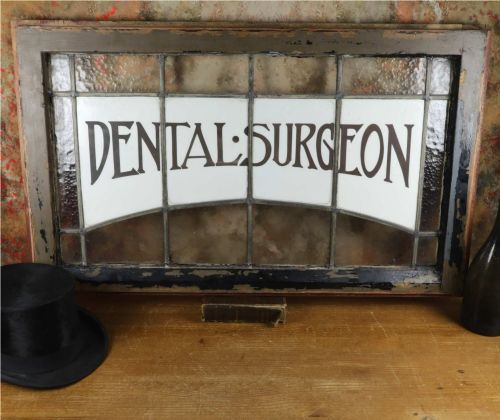
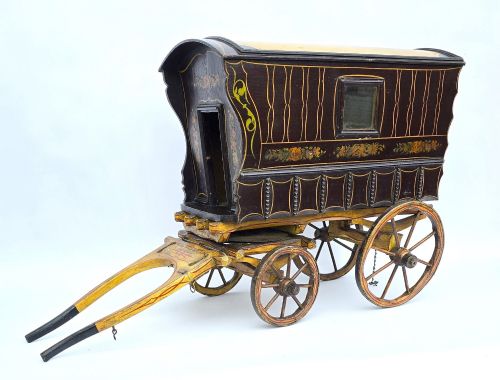
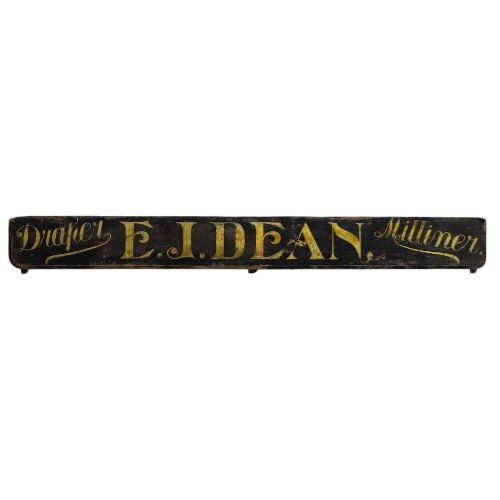
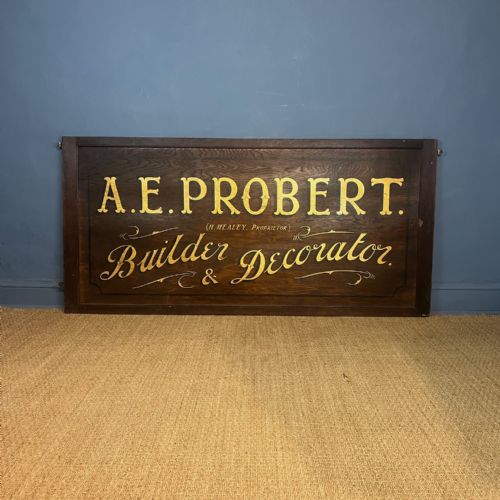


Edwardian Painted Wooden Sign
These edwardian painted wooden sign pieces carry the direct lettering of early commercial life, offering genuine character for your walls.
Edwardian Painted Wooden Sign
When you search for an edwardian painted wooden sign, you encounter utilitarian advertising pieces, trade boards, and shop signage created for businesses during the early twentieth century. These objects function as historical records of commerce, displaying the trades and services operating during the Edwardian period and adjacent decades.
You are most likely to meet hand-painted shop signs in pine, large decorators boards, and double-sided hall markers originating from the 1900s to the 1920s. These pieces bridge the gap between commercial utility and folk art, retaining the original brushwork applied by signwriters of the era.
Materials and construction
Makers utilised timber such as pine and oak as the primary substrate, forming boards and panels designed to withstand external or interior commercial environments. Artisans applied oil-based or lead paints directly to the wood, often building up lettering by hand with specialist signwriting brushes.
Certain examples incorporate glass, metal, or paper elements mounted within the wooden structures to enhance the commercial message. The combination of simple carpentry and hand-mixed pigments results in durable surfaces that weather over decades of use.
Life-sized wooden cricketers share shelf space with trade boards, proving that Edwardian workshops spent time carving sports stars alongside shop signs.
Assessing quality and character
The distinction between standard commercial boards and superior items lies in the execution of the lettering and the integrity of the original paint surface. Skilled signwriters achieved balanced typography and precise layout that elevates a utilitarian trade board into a striking visual object.
Preservation of the authentic surface matters immensely, as undisturbed layers of original paint convey genuine age. Pieces retaining their structural wooden frames and unretouched lettering command stronger interest from collectors of early commercial items.
R D Roberts·Archibald Thorburn·Lilian Stannard
The Edwardian Painted Wooden Sign Glossary
- Signwriter
- A specialist artisan who painted lettering, numbers, and pictorial elements onto trade boards and shop fascias by hand. Their brushwork defines the aesthetic of early twentieth-century commerce.
- Trade Sign
- A board or hanging marker identifying the profession, goods, or services offered by a merchant within a building. These objects served an exclusively practical purpose before entering collections.
- Pine
- A softwood commonly utilised by makers for signboards and architectural panels due to its availability and stable grain. It provides a pale, smooth ground for painted lettering.
- Folk Art
- Cultural art created within a tradition by untrained or practical makers rather than academic artists. Hand-painted signs often fall into this category because tradesmen executed the design work themselves.
Edwardian Painted Wooden Sign: Frequently Asked Questions
What is an edwardian painted wooden sign?
An edwardian painted wooden sign is a hand-lettered board created to advertise a trade, shop, or institution during the early twentieth century. These pieces were mounted outside premises or inside windows to inform the public of local services.
Today, they survive as examples of historical advertising and practical folk art. Collectors value them for their authentic typography and connection to past commercial life.
How were these signs displayed?
Businesses mounted these boards above shopfronts, on exterior walls, or inside display windows to attract passing foot traffic. Some versions were double-sided to catch views from multiple directions along a street.
Inside buildings, similar boards identified specific rooms or halls for visitors and members. Their sturdy wooden construction allowed them to endure continuous exposure to the elements.
How do I date an edwardian painted wooden sign?
Dating relies on the style of the lettering, the timber used, and any documented history associated with the specific trade or maker. Edwardian examples often feature distinct serif or sans-serif lettering styles painted by hand onto pine or oak boards.
Comparing the typography to commercial records from the 1900s through the 1920s helps narrow down the origin. Original paint layers and hardware also provide clues regarding the manufacturing era.
How do I care for a painted wooden sign?
Keep the sign away from direct sunlight and damp environments to protect the fragile wooden substrate and the original paint layers. Gentle dusting with a dry cloth is sufficient for routine maintenance.
Avoid using chemical cleaners or abrasive materials that might lift the historic pigment. Stable indoor humidity ensures the wood does not warp or crack over time.