


Commercial Wooden Signage
Commercial wooden signage brings direct historical trade and advertising into modern spaces through hand-painted shop boards, pub signs and practitioner notices.
Commercial Wooden Signage
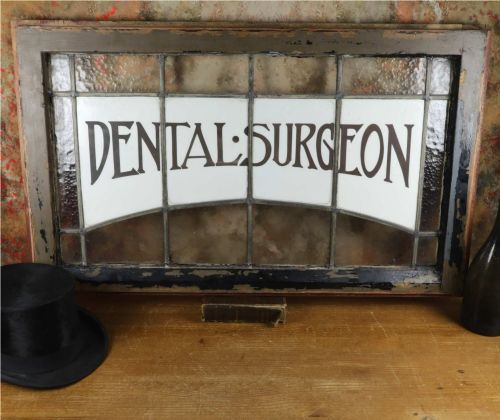
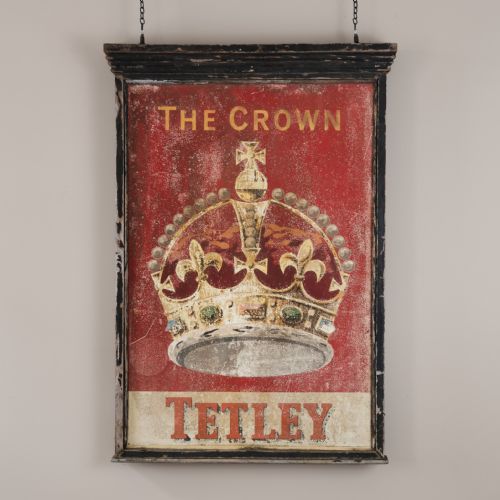
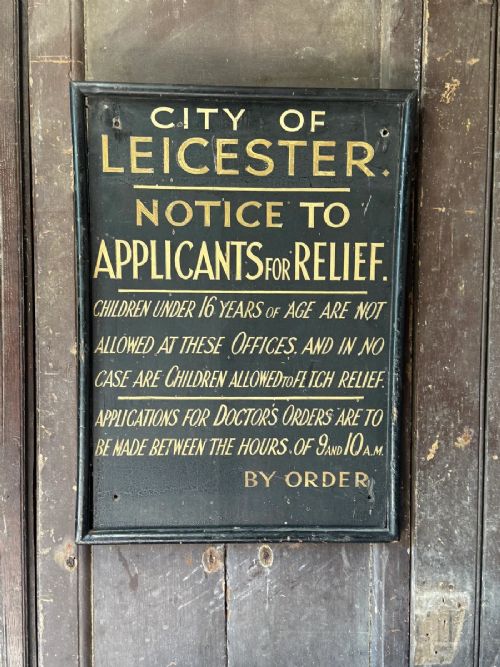
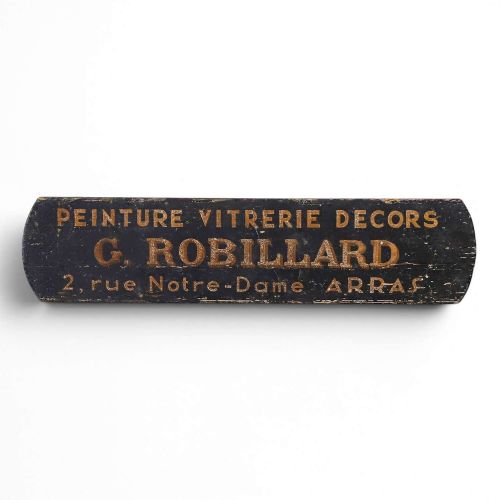
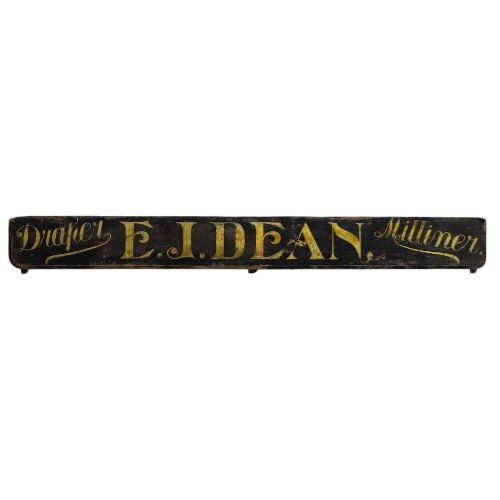
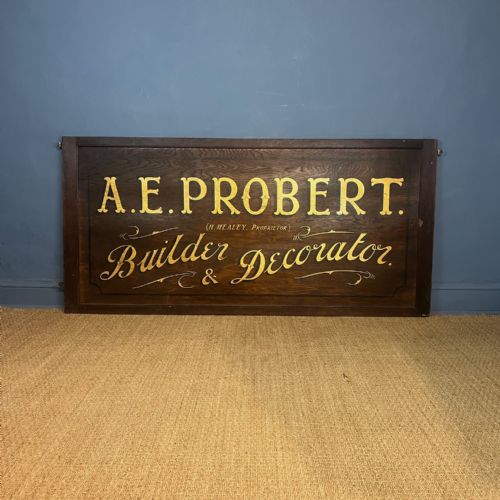
Commercial wooden signage encompasses functional trade boards, shop fascia panels and advertising pieces that once identified businesses, services and public houses. The examples visible here span the Victorian, Edwardian and Interwar periods, showing the progression of high street lettering and advertising boards.
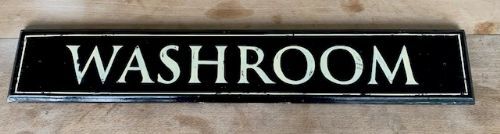
Most pieces on this page are hand-painted wooden shop signs or architectural salvage boards originating from drapers, milliners, locksmiths and public houses. These range from single pine and oak panels to large double-sided pub signs and framed glass trade notices.
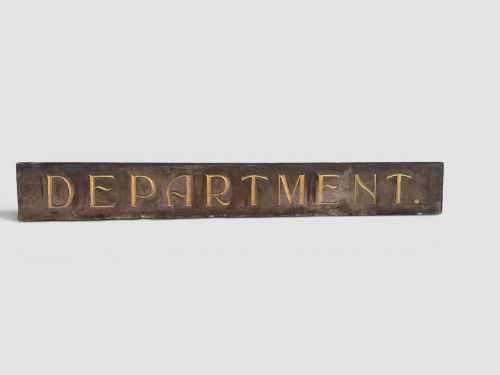
Forms vary from narrow wall-mounted trade signage and architectural advertising cart sides to large department store boards and hanging pub displays. Buyers will encounter both British traditional workshops and French industrial or Belle Époque examples in this selection.
Materials and construction methods
Makers utilised timber substrates such as pine and oak, frequently shaping them into rectangular boards or framing them with metal and glass components. These surfaces were then prepared to receive hand-applied lead paints, traditional lettering enamels and decorative finishes.
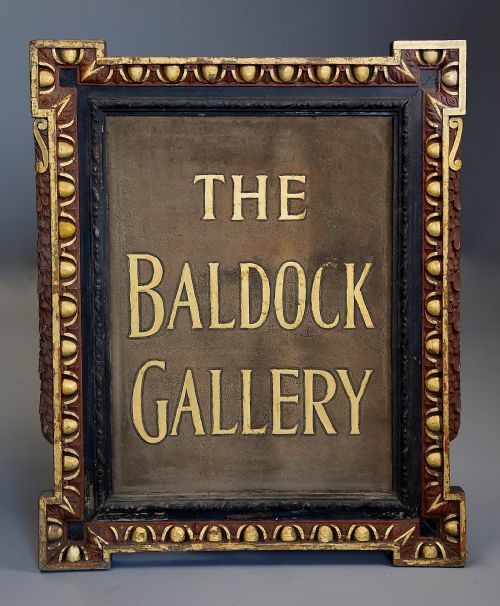
Gold leaf application frequently appears on high-status pieces like gallery and specialist trade signs, providing contrast against dark painted grounds. Carved wood details and applied mouldings appear alongside direct brushwork to create tactile depth on shop facades.
Materials across these listings include solid oak, pine, lead, gold leaf, glass and applied metal elements.
Assessing quality in trade boards
Quality in commercial wooden signage rests upon the clarity and skill of the hand-lettering, the balance of the layout, and the integrity of the original paint surface. Signs executed by skilled signwriters demonstrate confident brush control and balanced typography that elevate them above standard utility notices.
The survival of untouched original paint surfaces without heavy modern overpainting distinguishes superior examples from heavily restored pieces. Furthermore, the weight and selection of the timber base, whether solid oak or dense pine, contributes to the durability and historical presence of the board.
The Commercial Wooden Signage Glossary
- Fascia board
- A long horizontal sign board mounted above a shopfront to display the business name and trade.
- Signwriter
- A specialist craftsman who painted lettering, numbers and pictorial elements by hand onto commercial boards.
- Gilding
- The application of thin gold leaf onto wooden or glass surfaces to create reflective, durable lettering.
- Architectural salvage
- Building elements and fixtures rescued from structures slated for demolition, including exterior trade signs.
Commercial Wooden Signage: Frequently Asked Questions
How do I hang a heavy wooden sign?
Heavy trade signs require robust wall anchors secured directly into masonry or structural studs rather than standard plasterboard fixings. Due to the weight of solid timber panels and internal framing, professional load-bearing brackets ensure secure installation.
Distributing the weight across multiple fixing points protects both the historic wood and the mounting surface from undue stress.
Can these signs hang outdoors?
Most antique commercial wooden signage was originally built for exterior use, but decades of indoor preservation make surviving pieces sensitive to modern weather extremes. Continuous exposure to rain and direct sunlight will degrade fragile nineteenth-century paint layers and cause timber to warp.
Displaying these boards indoors or within covered, climate-stable outdoor environments preserves the historic pigments and surface patination.
How should I clean a painted wooden sign?
Dust accumulated on painted wooden signs should be removed gently using a dry, soft-bristled brush or a clean microfiber cloth. Avoid commercial liquid cleaners, abrasive pads or solvents, which can strip away historic hand-painted lettering and aged lead paint layers.
Conservative maintenance preserves the original patination and prevents unintended damage to delicate gilded details.
How do I date an old trade sign?
Dating relies upon analyzing the typeface styles, painting techniques, hardware attachments and the specific trade or profession named on the board. Victorian and Edwardian examples often feature distinct serif lettering styles, hand-mixed oil paints, and original mounting brackets characteristic of the period.
Comparing the typography with historical trade catalogues helps narrow down the decade of manufacture.