


Hand Painted Sign
When you search for a hand painted sign, you meet authentic wooden shop boards, metal advertising pieces, and trade markers shaped by decades of weathering.
Hand Painted Sign
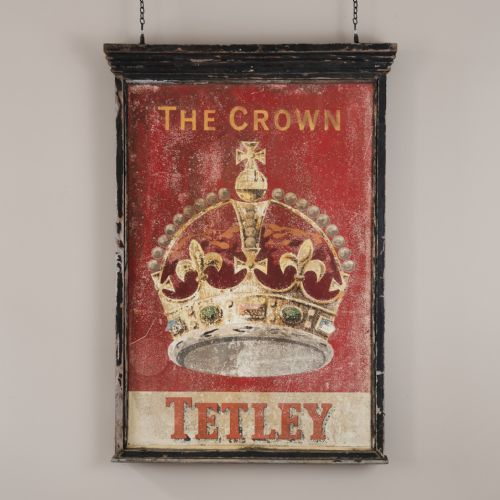
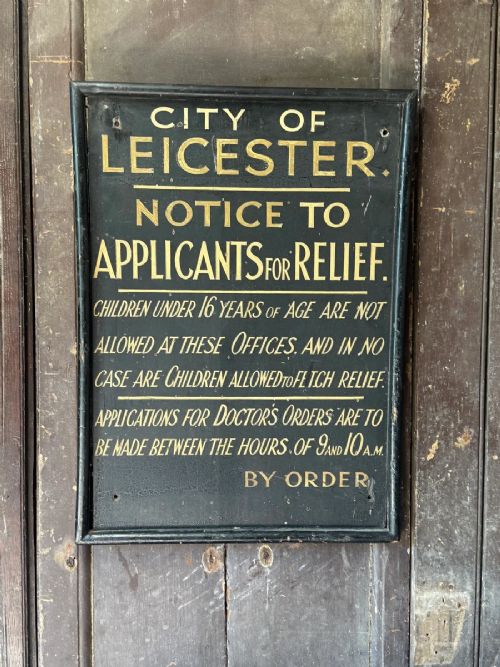
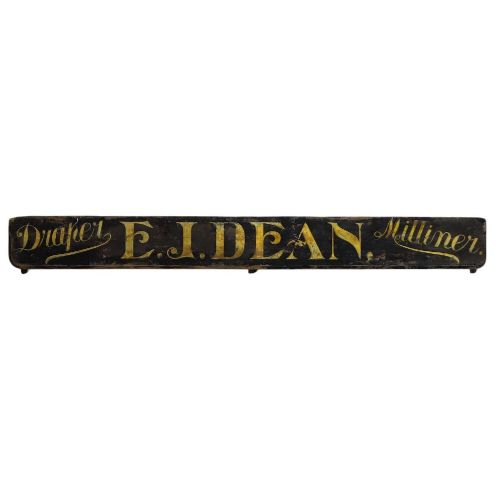
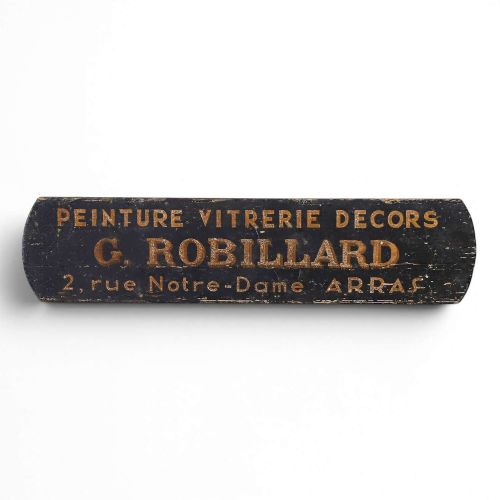
A hand painted sign covers diverse functional objects from the nineteenth and twentieth centuries, including timber shop boards, double-sided pub markers, and mercantile notices. These pieces served commercial purposes for milliners, drapers, and publicans before finding a place in modern interiors.
The selection frequently includes large wooden trade signs alongside smaller painted panels from department stores and railway platforms. Each example displays the specific lettering and pictorial work applied by trade signwriters of the era.
Beyond commercial boards, the category embraces folk art panels and fairground game boards that share the same direct, painted execution. These survivals offer a record of working vernacular graphics from Victorian high streets and Edwardian townships.
How they were made
Makers utilised solid pine, mahogany, and other regional timbers as the primary substrate for timber boards, applying oil-based paints directly to the prepared surface. Lettering and pictorial elements were laid down by hand using fine brushes, often enhanced with gold leaf highlights to catch the light.
Metal pieces employed iron, tin, or tôleware bases, coated in protective enamel or lead paints to withstand external exposure. Artisans painted the typography and motifs directly onto the metal ground, sealing the design for longevity.
Hand Painted Sign Retail Price Guide 2026
Typical asking prices for hand painted sign among the pieces listed under this phrase on Sellingantiques today, from the lower quarter to the upper quarter. They describe what is for sale here now, not the wider market.
Listings feature wooden, metal, and enamel signage spanning the Victorian, Edwardian, and mid-twentieth-century periods.
What varies in quality
The distinction rests upon the confidence of the brushwork and the clarity of the original typography. Superior examples display assured, balanced lettering executed by skilled signwriters, whereas lesser pieces show hesitant proportions or crude later touch-ups.
Original surface preservation dictates the standing of a board. Retaining the unblemished primary paint layer without extensive over-painting separates museum-grade survivors from heavily restored examples.
R.D. Roberts
The Hand Painted Sign Glossary
- Signwriting
- The professional craft of painting letterforms and decorative graphics by hand. This skilled trade produced the crisp typography seen on traditional mercantile boards.
- Gold Leaf
- Extremely thin gold beaten into sheets, applied to sign surfaces using an adhesive size. It provided durable, reflective lettering for high-status shopfronts.
- Tôleware
- Lacquered or painted sheet metal items produced in the eighteenth and nineteenth centuries. It served as a robust base for decorative trade panels and fire screens.
- Vernacular
- Objects made by tradesmen or local artisans following regional traditions rather than high academic styles. Most commercial signs belong to this utilitarian category.
Hand Painted Sign: Frequently Asked Questions
Where were these signs originally displayed?
Most commercial boards hung outside shops, public houses, and municipal buildings to identify the trade or service conducted within. They projected from exterior walls or stood above doorways to attract passing pedestrian traffic.
Interior examples served inside department stores, railway stations, and administrative offices to direct the public. Their placement dictated the scale and the boldness of the painted lettering.
How do I care for a painted wooden sign?
Keep wooden boards away from direct heat sources and high moisture fluctuations to prevent the timber from warping or splitting. Gentle dusting with a dry cloth preserves the fragile nineteenth-century paint layers.
Avoid using liquid cleaners or abrasive agents on the surface. These can lift the original hand-lettered pigments and diminish the historical patina.
How can I tell an older sign from a reproduction?
Examine the paint surface under magnification to check for natural craquelure, pigment shrinkage, and wear consistent with age. Genuine pieces show authentic oxidation and ingrained dirt around the carved or painted letters.
Inspect the fixings, screw holes, and the reverse of the timber panel for signs of age. Modern reproductions often use synthetic paints and machine-distressed finishes that lack the depth of period work.
Can these signs be hung outdoors today?
Exposing antique painted boards to modern weather will rapidly degrade the surviving pigments and rot the aged timber. Historic finishes require stable indoor environments to halt further deterioration.
Display them on interior walls using appropriate weight-bearing fixings to protect both the timber structure and the hand-painted surface.