


Black Wooden Sign
These black wooden sign pieces bring authentic commercial character and hand-painted history straight into a room.
Black Wooden Sign
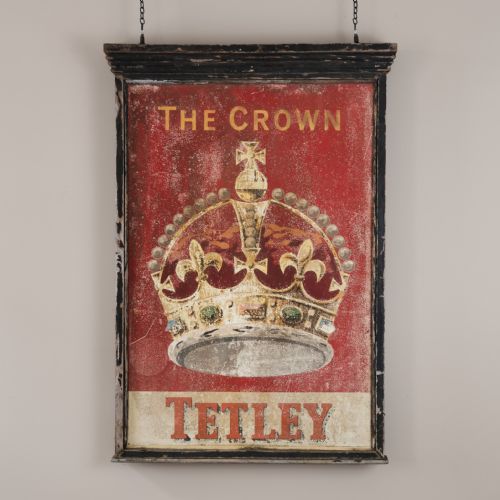
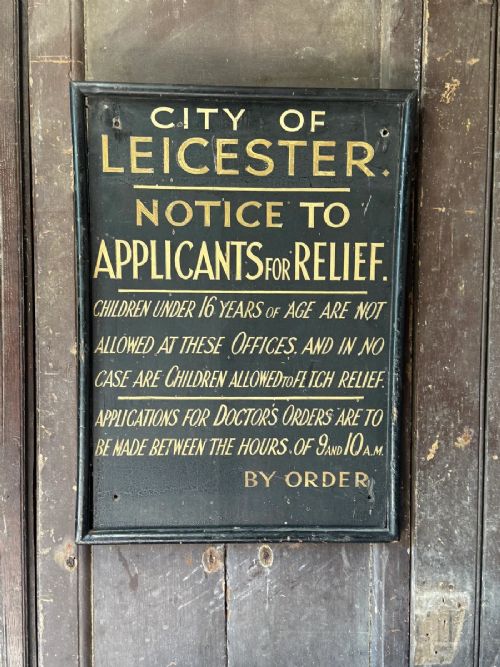
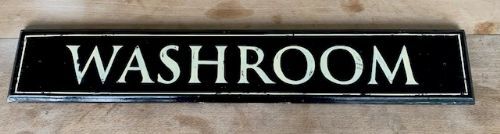
A black wooden sign brings tactile historic presence to a wall, combining timber construction with traditional hand-painted lettering and imagery. These pieces span trade displays, public house markers, and directional boards from the nineteenth and twentieth centuries.
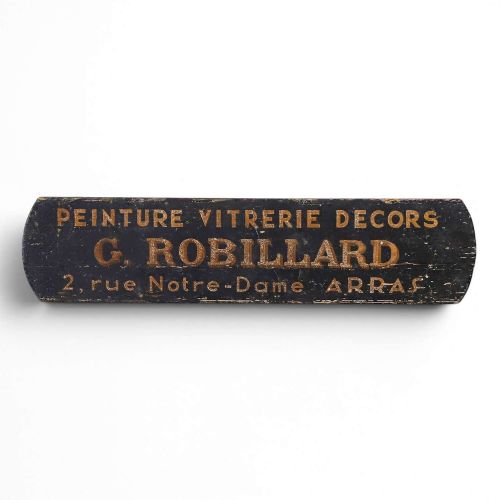
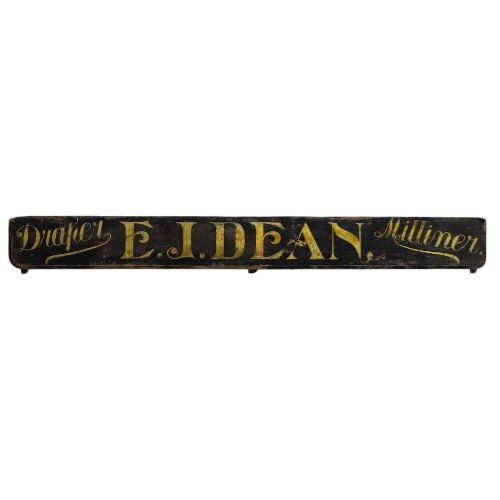
The version most commonly encountered on this page is the hand-painted shop or trade sign, fashioned from pine or oak during the Edwardian period or the interwar decades. Such items served local commerce before finding a second life as decorative wall art.
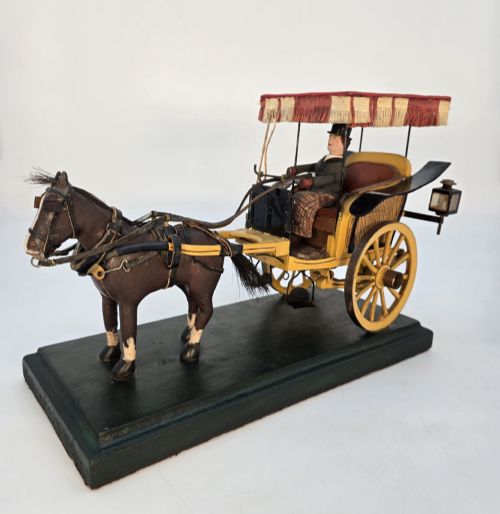
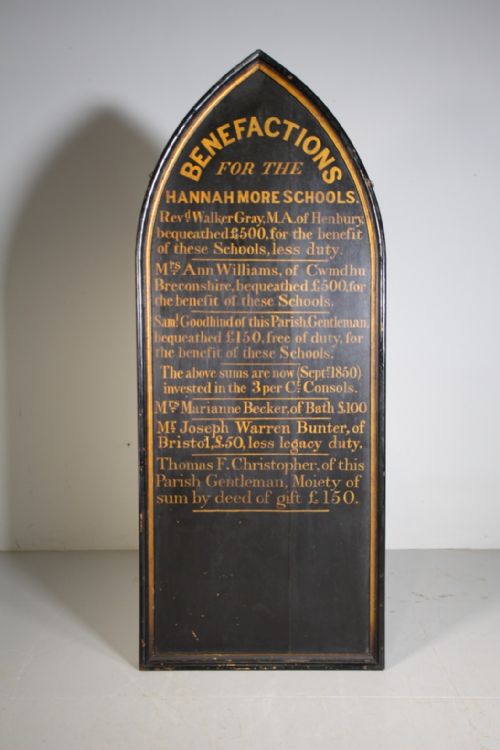
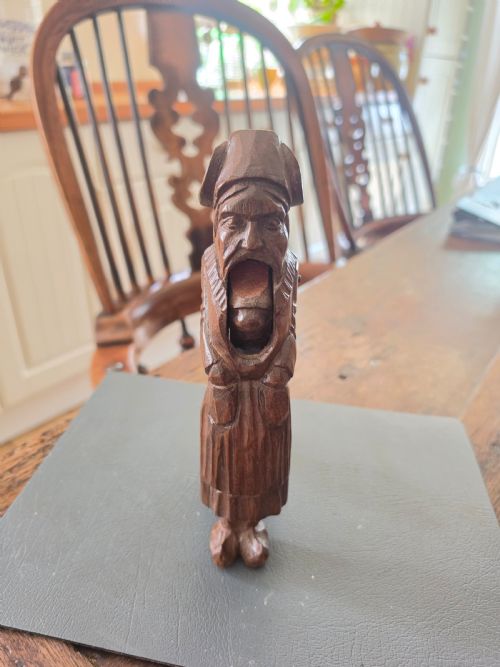
Beyond commercial boards, the category embraces folk art panels and painted display units that share a dark painted surface and functional origins. Each object records the utilitarian craft of signwriting from a time before mass production dominated the high street.
Materials and construction methods
Makers built these boards using solid woods such as pine, oak, and limewood, often preparing the timber with a dark base coat of paint. This foundational dark layer provided high contrast for subsequent lettering or decorative painting.
Painters applied pigment by hand, sometimes incorporating gold leaf or contrasting hues to ensure legibility and visual appeal. Metal brackets or fixings were frequently integrated for hanging or mounting above shopfronts.
Listings feature items dated from the nineteenth century through to the mid-twentieth century, utilising wood, paint, metal, and gold leaf.
Evaluating quality and authenticity
Quality rests in the confidence of the brushwork and the original integrity of the painted surface, where authentic wear shows natural ageing rather than artificial distress. Crisp, well-proportioned lettering distinguishes superior signwriting from mundane utilitarian output.
The choice of timber and the complexity of the board construction also dictate the tier of a piece, with solid oak and substantial double-sided frames representing more ambitious workshop production.
R.D. Roberts
The Black Wooden Sign Glossary
- Folk Art
- Objects created by self-taught or traditional artisans outside the academic fine art tradition. These pieces often serve practical functions in rural or domestic life.
- Gold Leaf
- Gold beaten into extremely thin sheets, utilised for gilding lettering and ornamentation on trade signs to catch the light.
- Trade Sign
- A board or sculptural marker displayed by a business to advertise its services or location to passersby. They were essential urban and rural landmarks before modern illumination.
- Edwardian
- Pertaining to the reign of King Edward VII, spanning the early twentieth century. Furniture and decorative objects from this era often blend revival styles with robust practicality.
Black Wooden Sign: Frequently Asked Questions
How do I hang a heavy wooden sign?
Heavy wooden signs require secure wall anchors fixed directly into masonry or deep wooden studs to support their substantial weight safely.
Ensure that any hanging wire or brackets attached to the back of the panel match the load capacity of the timber.
Are these signs weatherproof for outdoor use?
Most antique signs were created for sheltered exterior shopfronts or interior display, meaning modern outdoor exposure can degrade old paint and wood.
Keeping them indoors protects the original pigments and timber from moisture damage and extreme temperature fluctuations.
How should I clean a painted antique sign?
Dust the surface gently with a soft, dry cloth to remove loose particles without disturbing delicate or flaking paint layers.
Avoid liquid cleaners, chemical solvents, or abrasive pads, which can strip away historic finishes and painted lettering.
How can I tell the age of a painted sign?
Dating relies on examining the type of wood, the composition of the paint, and the style of the lettering used on the board.
Tool marks on the timber and natural ageing patterns in the pigment provide further clues regarding the period of manufacture.