
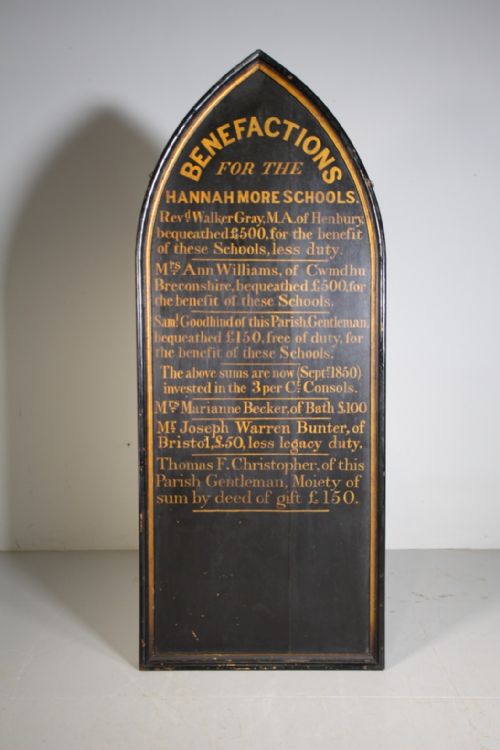


Original Trade Sign
An original trade sign is a surviving piece of commercial history, rendered in paint and timber to draw the eye from the pavement.
Original Trade Sign
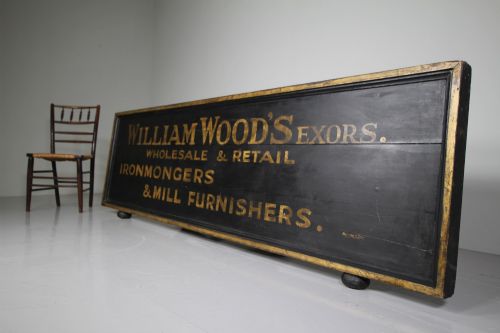
When you search for an original trade sign, you encounter tangible artefacts of past commerce spanning the nineteenth and early twentieth centuries. These objects include hand-painted wooden panels, wall signs, shop boards, and advertising clocks designed to identify businesses.
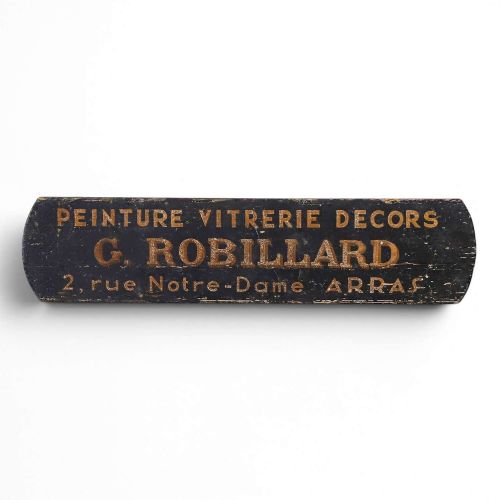
The pieces represented on this page draw from Victorian, Edwardian, and interwar British eras, alongside French Belle Époque examples. Wall panels and signage dominate the selection, frequently constructed from pine or featuring painted glass in original frames.
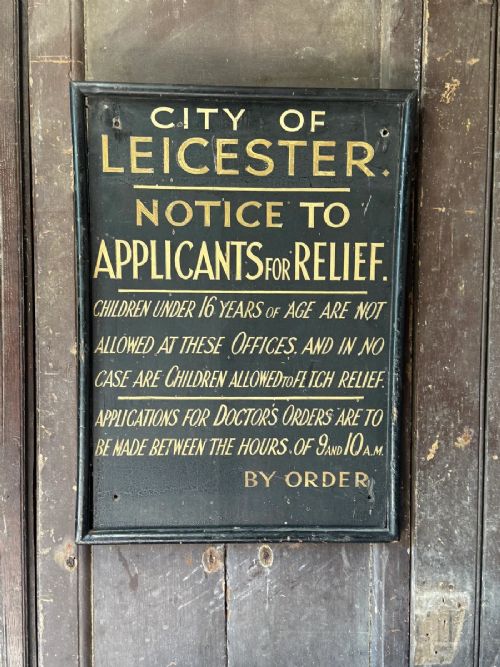
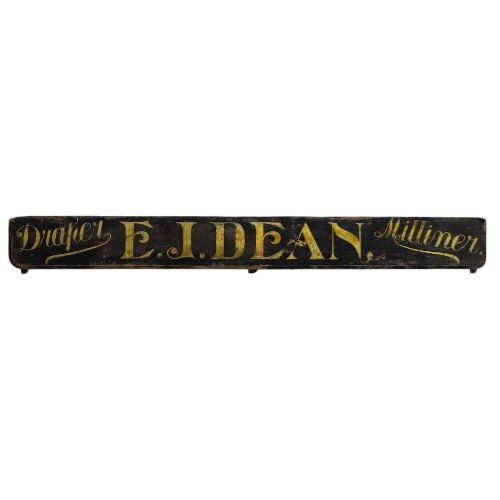
Many items reflect folk art traditions, executed by tradesmen and signwriters rather than fine artists. You will find specific commissions, such as milliner and draper boards or poor relief notices, alongside larger architectural statements.
Materials and construction
Makers relied primarily on timber, utilising pine boards and sturdy wooden frames as the foundation for exterior and interior display. Surfaces received layers of lead-based or oil paints, sometimes enhanced with gold leaf lettering to catch the light.
Glass and metal also appear, seen in painted glass shop signs and enamelled double-sided panels. Construction methods prioritised durability against the elements, joining planks securely and incorporating protective wooden surrounds.
Period origins span the Victorian era, the Edwardian years, Belle Époque France, and interwar Britain.
Distinctions in quality
The visual strength of the lettering and the integrity of the surviving paint layer define the upper tier of these pieces. Signs retaining their unblemished original surface demonstrate superior preservation compared to those with extensive overpainting.
The complexity of the typography and the depth of the folk art design separate standard boards from exceptional commissions. Proportion, scale, and the natural grain of the underlying timber contribute significantly to the visual impact.
The Original Trade Sign Glossary
- Paint
- The pigmented liquid applied to wood, metal, or glass surfaces to form a decorative and protective coating. Original paint layers provide historical authenticity to antique signage.
- Pine
- A common softwood timber utilised extensively for nineteenth and early twentieth-century signboards. Its smooth grain offered an ideal flat plane for signwriters.
- Gold Leaf
- Gold beaten into extremely thin sheets and applied to surfaces using size. It was favored on trade signs for lettering that required high visibility and a metallic sheen.
- Folk Art
- Artistic work produced from an indigenous culture or peasant society, encompassing utilitarian objects made by untrained hands. Shop signs often fall into this category due to their vernacular lettering styles.
Original Trade Sign: Frequently Asked Questions
How do I hang a heavy wooden sign?
These wooden boards carry considerable weight, particularly examples fashioned from solid pine or housed in timber frames. Secure them directly into structural wall studs using appropriate heavy-duty fixings.
Distribute the load evenly across multiple fixing points to prevent strain on the historical wood. Avoid relying on decorative brackets alone unless rated for the total mass of the panel.
Are trade signs suitable for outdoor display?
Most surviving pieces spent decades exposed to the weather, yet modern placement requires careful consideration. Weather fluctuations accelerate the flaking of nineteenth-century paint layers and degrade exposed timber.
Interior placement preserves the original surface chemistry far better than exterior exposure. If positioned outside, select a sheltered wall away from direct driving rain and severe frost.
How do I date an antique trade sign?
Dating relies on assessing the typeface styles, the construction methods of the wooden support, and the patina of the paint. Victorian and Edwardian typography exhibited distinct characteristics that evolved from serif-heavy lettering to simpler sans-serif variants.
Examine the back of the board for tool marks, nail types, and fixings that align with nineteenth or early twentieth-century manufacturing. Associated trade descriptions and business titles provide further historical context.