





Victorian Trade Sign
A Victorian trade sign is a striking piece of commercial history designed to advertise a business, bringing authentic character and bold graphic appeal to any interior.
Victorian Trade Sign
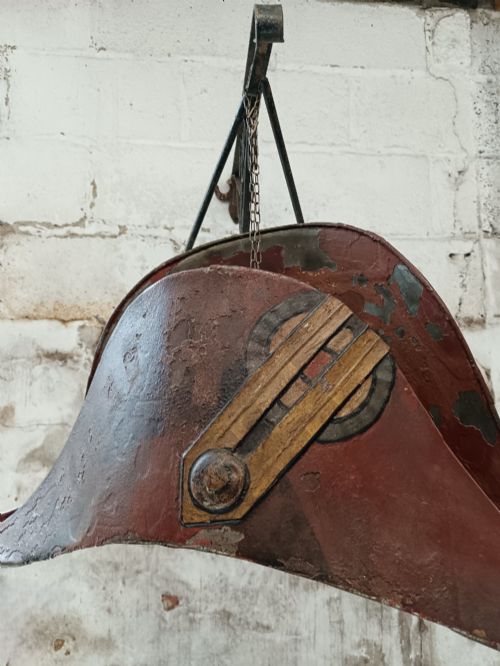
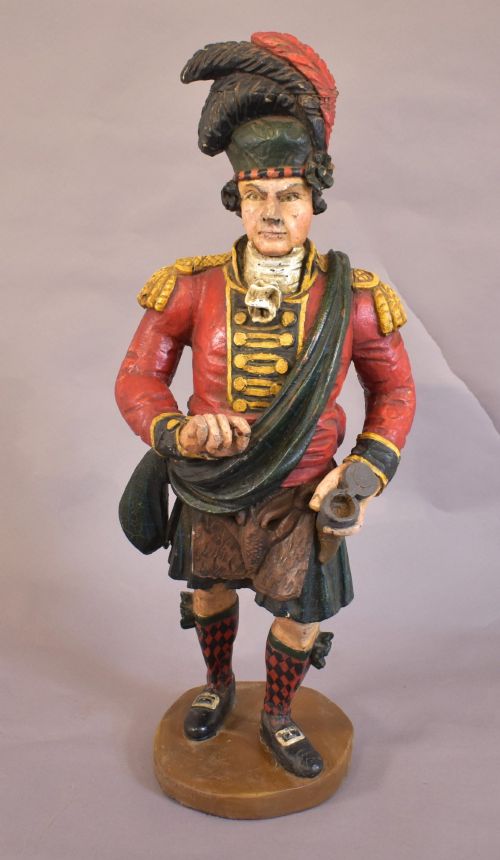
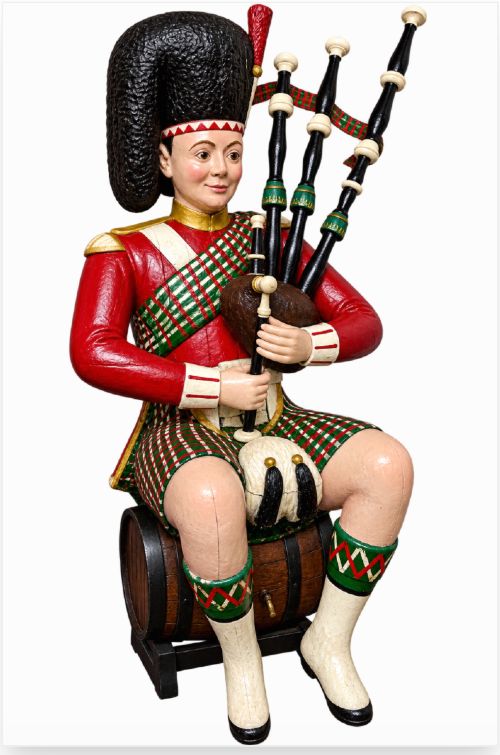
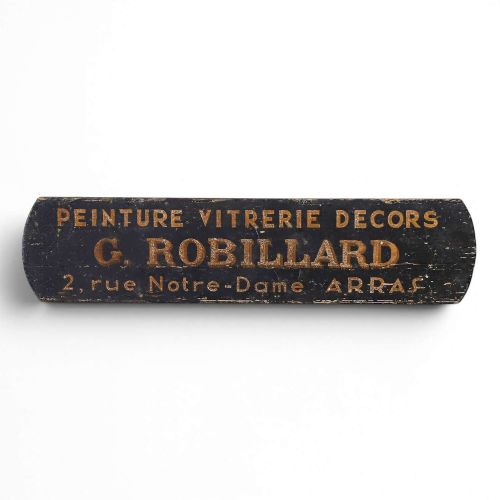
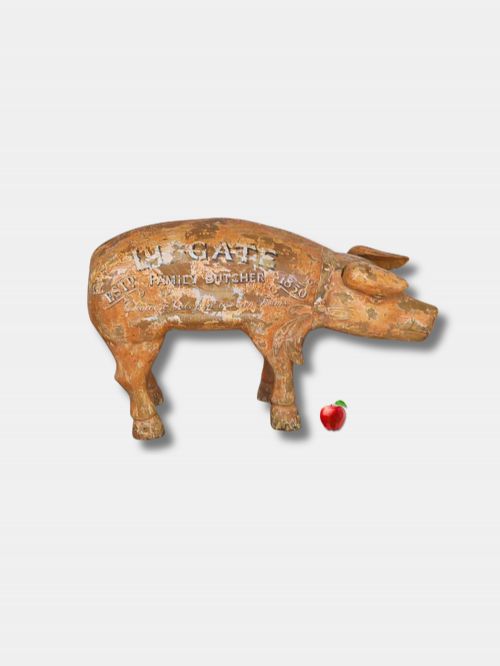
A Victorian trade sign serves as an original commercial marker, encompassing hanging boards, window displays, and sculptural figures that once advertised local merchants and tradesmen. These pieces range from substantial wooden butcher figures and iron pawnbroker symbols to painted glass panels and detailed locksmith displays.
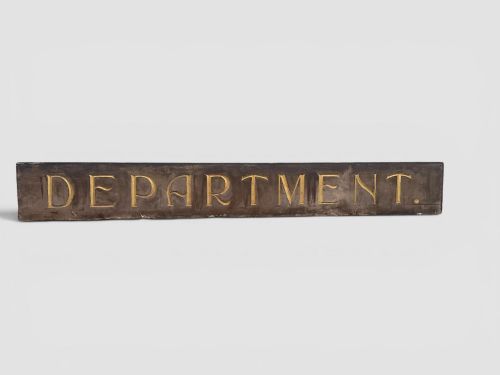
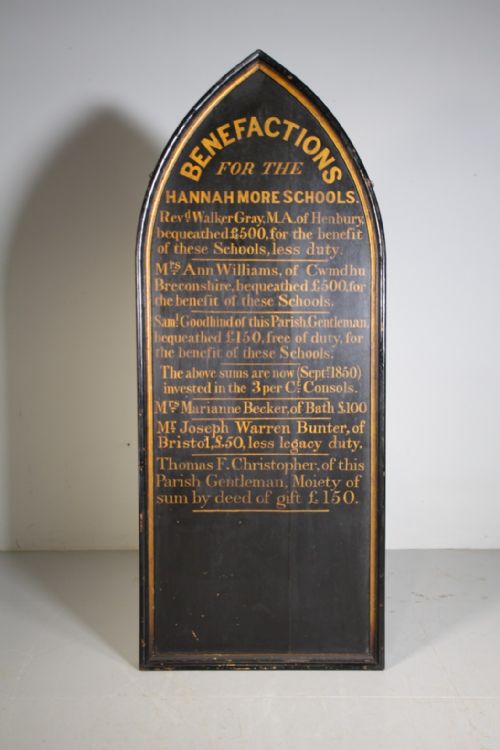
The version most commonly met on this page is the painted wooden or metal board, alongside sculpted figures like oversized boots, spectacles, and pocket watches. Such objects reflect the diverse trades of the nineteenth century, utilising tangible forms to communicate services to the passing public.
How they were made
Makers constructed these signs using durable materials such as timber, cast iron, glass, and brass, ensuring they withstood outdoor environments. Surfaces were frequently built up with layered paint, hand lettering, and accents of gold leaf to catch the eye from the street.
Sculptural elements like trade figures and hanging items involved carved wood, moulded metal, and toleware, shaped to replicate recognizable objects of trade. Artisans applied protective finishes and direct sign-writing techniques that have left surviving examples with distinctive patination.
Victorian Trade Sign Retail Price Guide 2026
Typical asking prices for victorian trade sign among the pieces listed under this phrase on Sellingantiques today, from the lower quarter to the upper quarter. They describe what is for sale here now, not the wider market.
Listings feature materials spanning paint, wood, glass, gold leaf, brass, iron, and cast iron.
What varies in quality
The distinction between tiers rests upon the directness of the hand painting, the originality of the surface, and the clarity of the sculptural form. Superior examples display confident sign-writing and genuine surface wear rather than later repainting.
Proportion and material choice also separate standard boards from exceptional sculptural signs, such as large tradesman figures or specialised optical displays. The integrity of the original framing, brackets, and mounts further dictates the standing of a piece.
Gerwin & Co Birmingham·J. & H. Keyworth and Co·Lidgate Family Butcher·E. Fuller upholsterer
The Victorian Trade Sign Glossary
- Gold leaf
- Beat gold applied to sign surfaces for lettering and highlights. This material resists tarnishing and catches daylight effectively.
- Trade figure
- A sculptural representation of a person, animal, or commodity used in place of flat lettering. These figures immediately communicated a shop's speciality.
- Sign-writing
- The traditional craft of hand-lettering commercial boards and glass. Practitioners used specialised brushes and oil-based paints.
Victorian Trade Sign: Frequently Asked Questions
What is a Victorian trade sign?
A Victorian trade sign is a commercial artefact made to advertise goods or services to the public during the nineteenth and early twentieth centuries.
These pieces take the form of painted wooden boards, glass panels, iron brackets, and carved figures representing specific trades.
How were these signs used?
Merchants mounted these signs outside shops, above doorways, or inside windows to draw custom from the street.
Sculptural forms like boots or spectacles allowed illiterate passersby to instantly recognise the trade conducted within.
How do I date a trade sign?
Dating relies upon evaluating the materials, typography styles, construction methods, and surface patination present on the object.
Evidence such as original paint layers, ironwork fixings, and specific trade names helps anchor a piece to a particular decade.
How do I hang a heavy trade sign?
Hanging requires locating structural studs or masonry supports capable of bearing the substantial weight of iron and dense timber.
Professional fixings that match the original brackets should be utilised to secure the piece safely without damaging the fabric.