



Gothic Revival Wall Panel
A gothic revival wall panel brings architectural presence and heavy historical carving into a room, drawing the eye with rich timber surfaces.
Gothic Revival Wall Panel
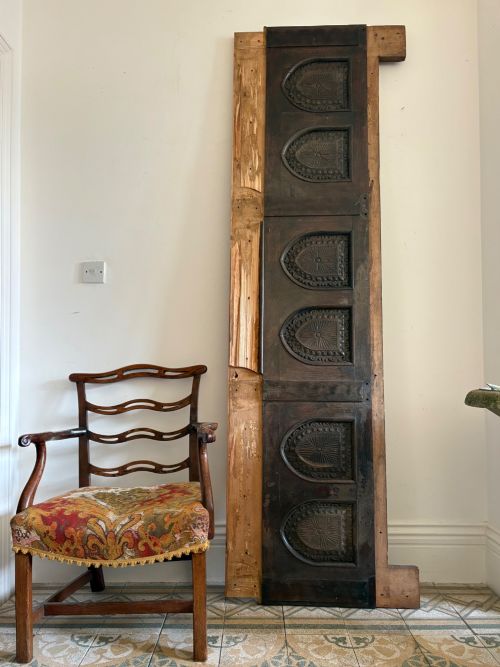
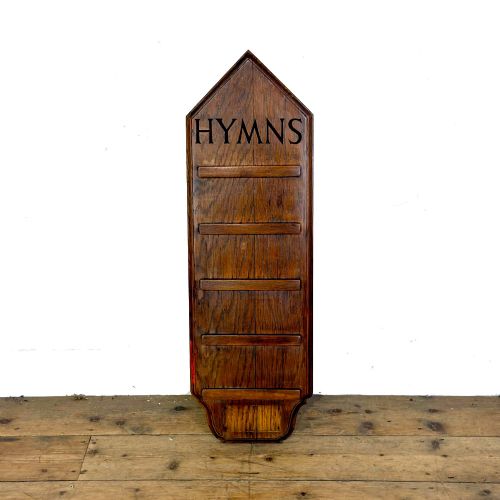
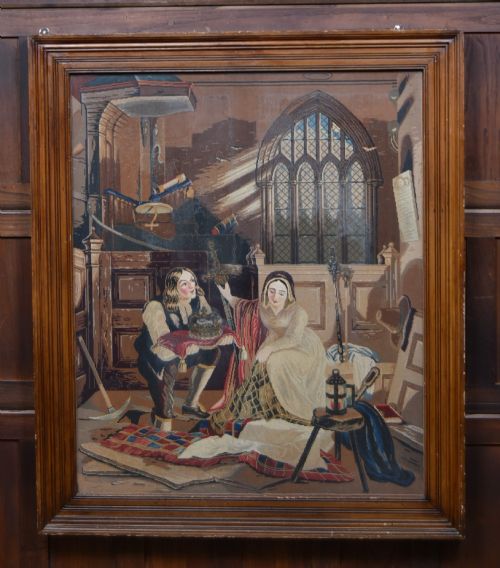
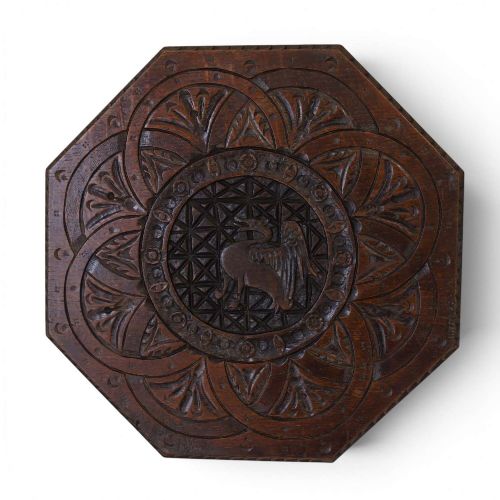
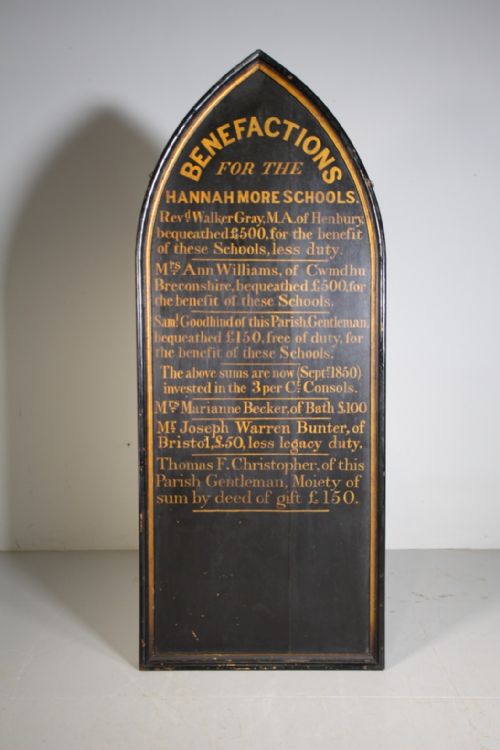
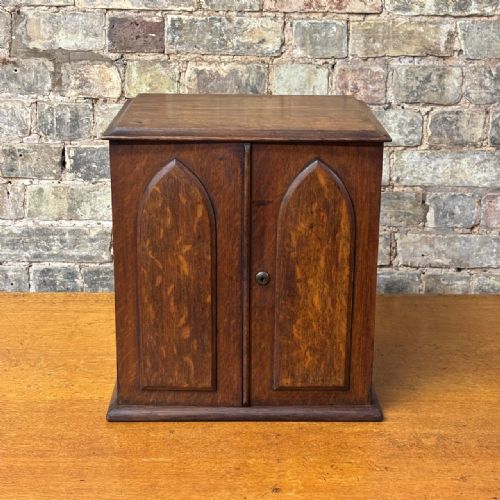
A gothic revival wall panel combines medieval architectural motifs with nineteenth-century craftsmanship, appearing in forms such as carved timber plaques, linenfold panels, and ecclesiastical church tracery.
The pieces on this page span the nineteenth century and the Victorian era alongside select eighteenth-century examples, taking shape as overmantels, armorial panels, and architectural salvage.
Buyers encounter carved oak most frequently, accompanied by pine, walnut, and painted surfaces that translate ecclesiastical or domestic interior decoration onto the wall.
How they were made
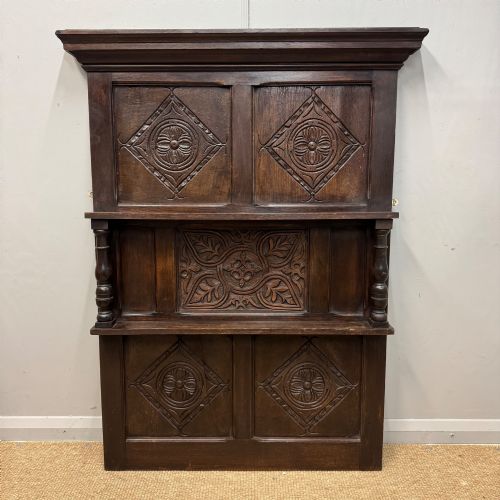
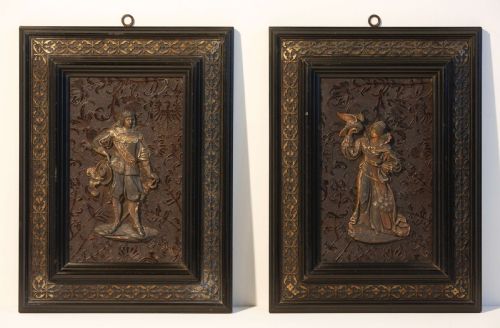
Maker's hands shaped these items primarily from solid oak and pine, utilising deep relief carving to render intricate linenfold patterns, tracery, and figurative subjects.
Surfaces often combine bare or polished wood with painted finishes, gold leaf, ebonised wood, and brass mounts, reflecting the varied decorative tastes of the nineteenth century.
Some nineteenth-century panels began life as tabletops before finding a permanent home mounted vertically upon the wall.
What varies in quality
Depth and sharpness in the wood carving separate standard decorative elements from exceptional sculptural panels, where crisp undercutting defines figures and foliage.
The integrity of the timber and the retention of original surface treatments, such as early paint or gilt, determine the character and visual weight of each piece on the wall.
The Gothic Revival Wall Panel Glossary
- Linenfold
- A style of wood panel carving resembling folded cloth or linen. It is commonly found on nineteenth-century oak panels.
- Tracery
- Openwork stonework patterns translated into wood joinery. It forms the geometric framework of many ecclesiastical panels.
- Overmantel
- A decorative structure placed above a fireplace. These often incorporate large mirrors or carved panels.
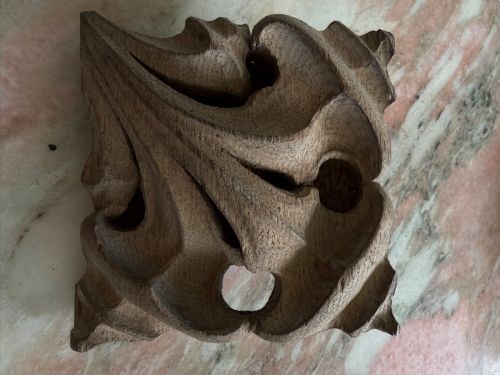
- Ceiling Boss
- A decorative projecting block of wood placed at the intersection of ribs in a ceiling. Examples are carved with leaves or Tudor roses.
- Armorial
- Relating to heraldry or coats of arms. These panels display familial or institutional crests carved in relief.
Gothic Revival Wall Panel: Frequently Asked Questions
Where should I hang a wall panel?
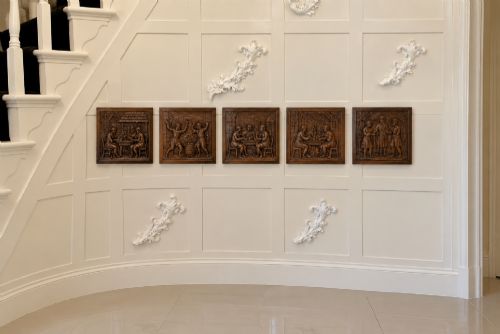
These pieces suit placement above mantels, along hallways, or as central focal points in a dining room where their architectural depth stands out against plain plaster.
Ensure the wall construction supports the weight of dense hardwoods like oak before mounting large panels or overmantels.
How do I date a panel?
Dating relies on timber selection, tool marks left by the carver, and stylistic overlaps with Victorian Gothic revival design trends.
Nineteenth-century makers frequently re-used earlier elements or imitated eighteenth-century and medieval motifs closely.
Are these panels from churches?
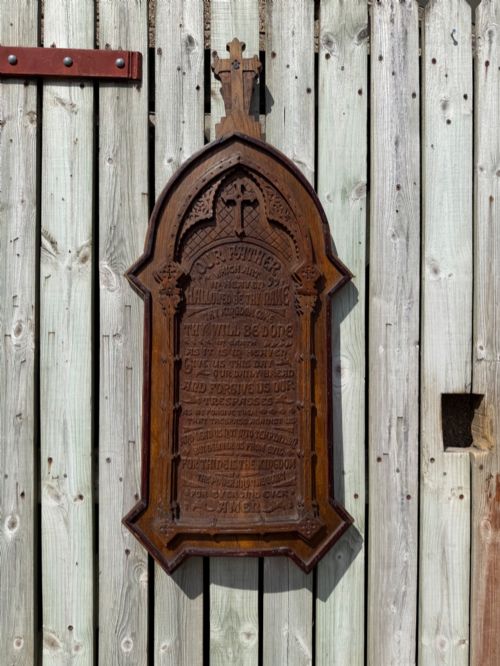
Many items originate from ecclesiastical contexts, including church tracery, architectural salvage, and religious texts from tin tabernacles.
Others stem from domestic interiors designed in the Victorian Gothic or Chippendale revival styles.
How do I clean carved wood?
Dust gently with a soft, dry brush to remove particles from deep recesses without disturbing the patina of the timber.
Avoid liquid cleaners and damp cloths unless handled by a professional restorer.