



Gothic Oak Wall Hanging
When you handle a gothic oak wall hanging, you hold centuries of sombre timber carved with architectural weight.
Gothic Oak Wall Hanging
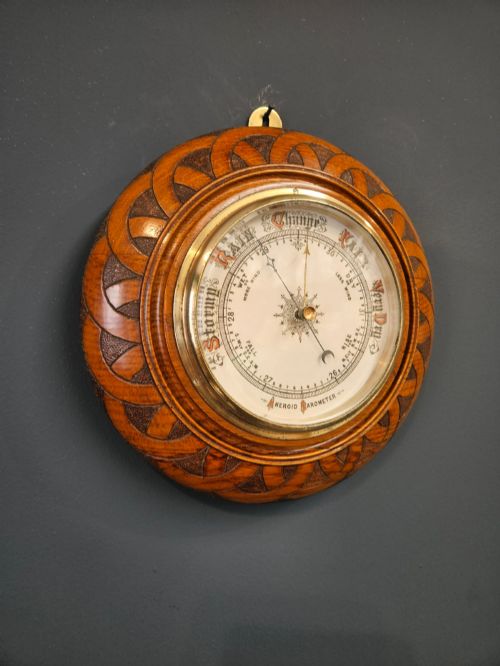
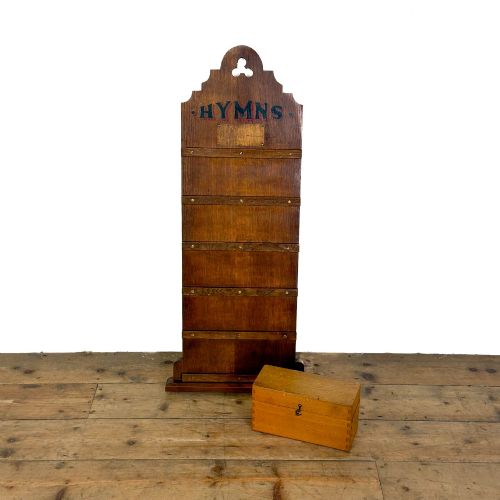
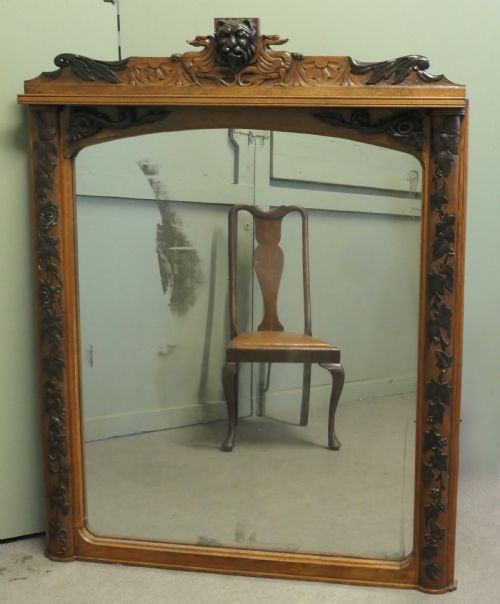
A gothic oak wall hanging gathers timber domestic items designed to be suspended from room walls rather than floor-standing, drawing heavily on medieval revival motifs. When you search for a gothic oak wall hanging, you encounter mirrors, shelves, cupboards, barometers and plaques spanning the seventeenth through to the early twentieth century.
The nineteenth-century revival periods, particularly Victorian interpretations and Arts and Crafts movements, dominate the examples you find on this page. Pieces range from rustic French manoir cupboards to refined English display shelves and architectural panels.
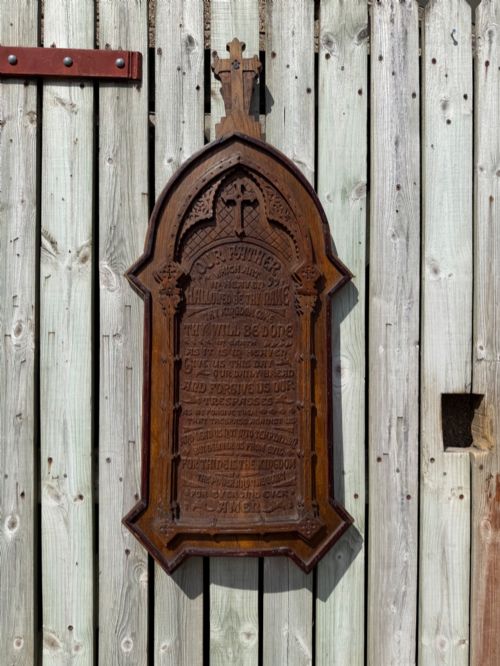
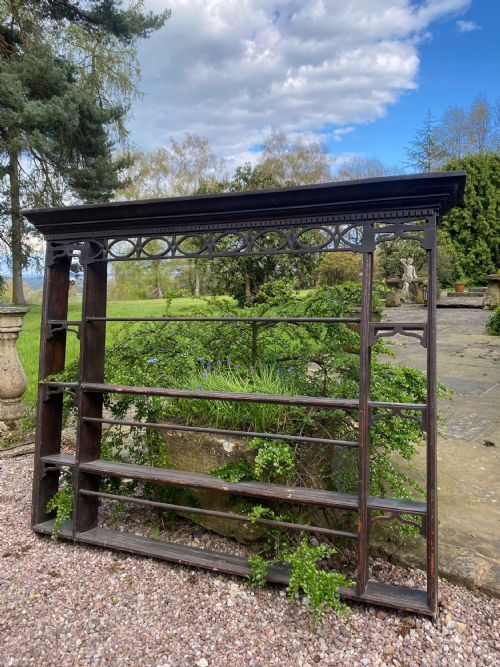
Functional items such as key cabinets, plate racks and coat hooks sit alongside purely decorative carved plaques and religious texts. Oak remains the steadfast material uniting them, often stained, turned or heavily carved with tracery and linenfold patterns.
Materials and construction
Makers relied primarily on solid oak, supplemented occasionally by fruitwood, beech and structural iron or brass for hinges, brackets and hooks. Timber was seasoned, planed and joined using traditional methods suited to hanging weights.
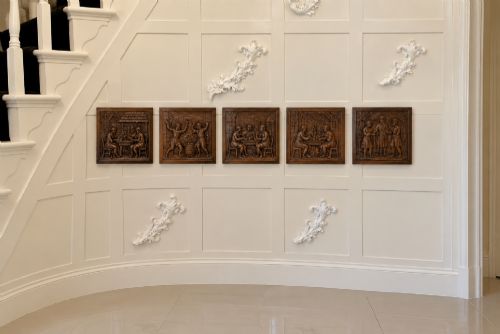
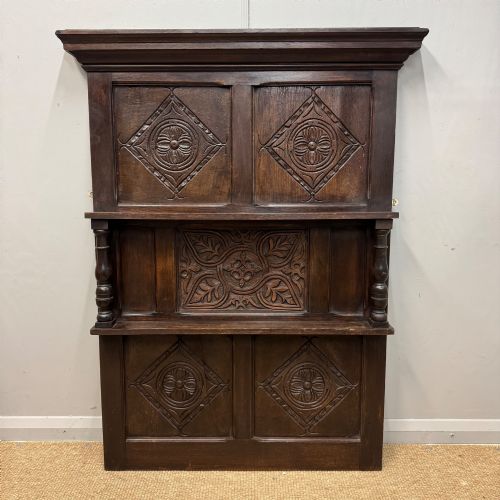
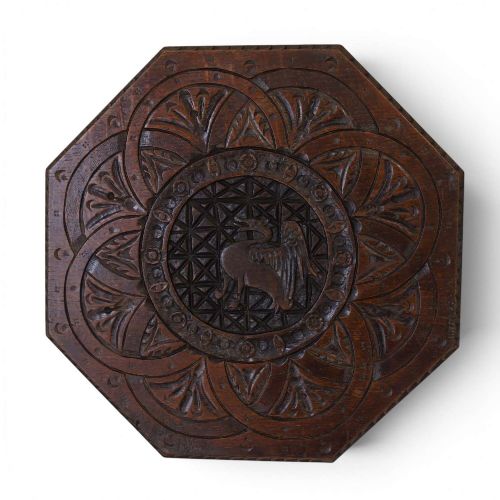
Carving was executed by hand directly into the dense oak, producing deep relief panels, barley twist columns and pointed arch motifs characteristic of the gothic style. Glass and ceramic elements were integrated into mirrors and cabinets where function required.
Listings span from seventeenth-century French fruitwood cupboards to twentieth-century Arts and Crafts pokerwork cabinets, all united by solid oak.
Judging quality in carved wall pieces
Quality rests in the crispness and depth of the timber carving rather than mere surface decoration, showing purposeful hand execution by skilled hands. Superior items display harmonious proportions where architectural elements like arches and tracery integrate naturally with the structural form of the shelf, mirror or cabinet.
The integrity of the timber and the honesty of the construction dictate lasting worth, favouring pieces that retain their original brass or iron hardware and uncompromised structural joints. Depth of patina developed through generations of handling marks the boundary between ordinary work and exceptional craftsmanship.
John Moyr Smith·James Pitkin London
The Gothic Oak Wall Hanging Glossary
- Gothic Revival
- An architectural and decorative style drawing inspiration from medieval forms, pointed arches and heavy timber construction. It gained immense popularity during the Victorian era across British and European workshops.
- Barley Twist
- A turning technique producing a helical, rope-like column commonly found on seventeenth-century and revival furniture supports. This spiral form catches the light and adds dynamic vertical rhythm to hanging cabinets.
- Linenfold
- A style of wood carving used to panel flat surfaces, designed to resemble folded vertical linen fabric. It appears frequently on sixteenth-century prototypes and nineteenth-century gothic revival panels.
- Aesthetic Movement
- A late nineteenth-century design current emphasising visual beauty over narrative meaning, often blending Japanese influences with traditional British craft. Pieces from this circle show refined linear qualities.
- Overmantel
- A large decorative mirror or panel designed specifically to hang on the wall directly above a fireplace mantel. These architectural fittings often incorporate extensive carving and display shelves.
Gothic Oak Wall Hanging: Frequently Asked Questions
How were these wall items originally mounted?
Most pieces relied on sturdy rear brackets, iron rings or recessed hanging slots engineered to bear the substantial weight of dense oak timber.
Hardware was selected to blend inconspicuously into the backboards while ensuring secure attachment to stone or lath-and-plaster walls.
Are these pieces strictly from the medieval period?
Almost none of these items date to the medieval era, despite the medieval vocabulary of their design.
The vast majority originate from nineteenth-century gothic revival workshops, alongside select seventeenth- and eighteenth-century vernacular survivals.
How do I care for antique oak wall furniture?
Maintain stable room humidity to prevent the dense oak from splitting or warping under seasonal temperature shifts.
Apply traditional beeswax sparingly to nourish the dry timber and preserve the historic patina built up over decades.
What rooms suit a gothic hanging cabinet?
These pieces function exceptionally well in hallways as key or coat depositories, or in studies providing compact shelf storage.
Their architectural presence commands attention, making them ideal anchor points above sideboards or low seating furniture.