


Black Painted Wooden Sign
A black painted wooden sign delivers immediate graphic punch, bringing character and bold hand-lettering straight into your interior.
Black Painted Wooden Sign
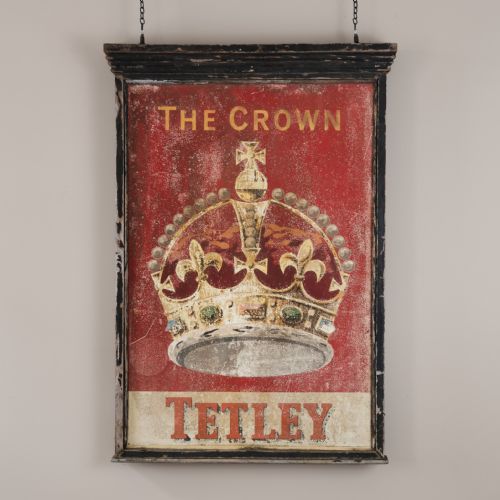
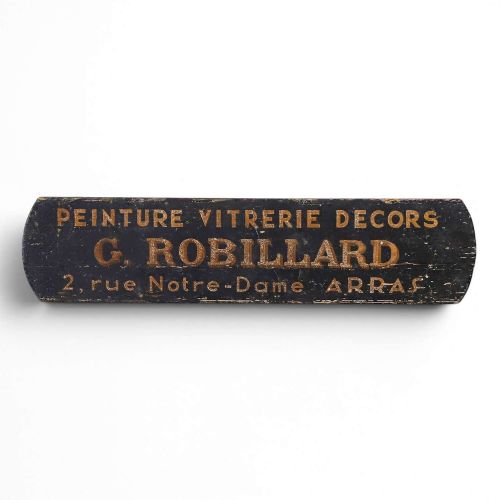
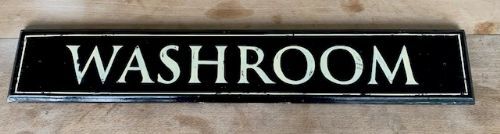
A black painted wooden sign encompasses trade boards, pub markers, shop notices, and wall panels created to inform or advertise. You are most likely to encounter hand-painted examples on timber or pine originating from the nineteenth and early twentieth centuries.
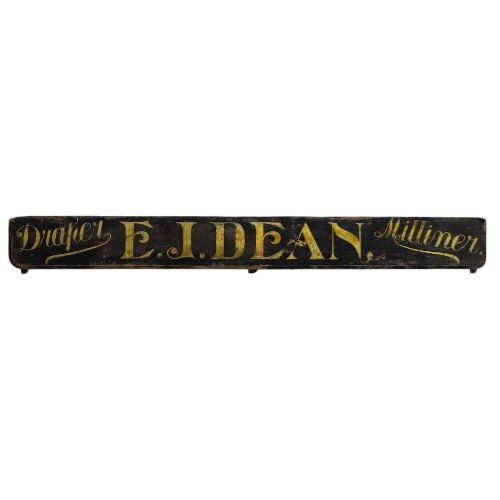
The selection ranges from Edwardian milliner boards and vintage commercial displays to folk art models and public house signage. These objects carry the marks of everyday use, often finished with contrasting lettering in gold leaf or pale tones against a dark ground.
How they were made
Makers utilised solid timbers such as pine, preparing the wooden base with layers of dark paint to create a durable surface for lettering. Signwriters then applied hand-painted script, occasionally incorporating gold leaf for emphasis and detail.
Many boards show evidence of metal brackets, fixings, or glass elements integrated for hanging or display in commercial and public spaces.
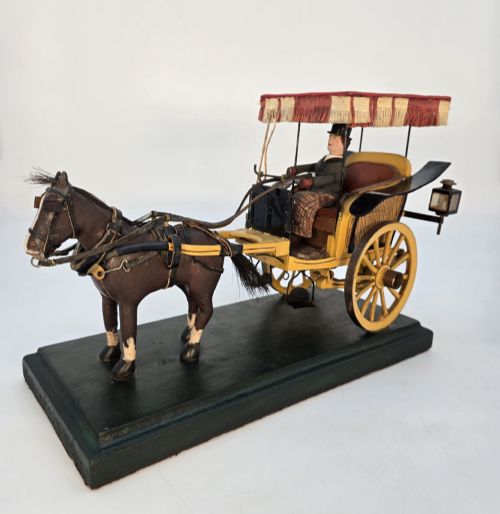
One remarkably specific piece includes a scratch-built folk art model of a Paris chaise carriage complete with a horse and driver.
What varies in quality
The distinction lies in the confidence of the brushwork and the legibility of the typography, which separates utilitarian boards from skilled folk art commissions. Original painted surfaces with untouched lettering carry greater aesthetic weight than later retouching.
Proportion and scale also dictate impact, with larger double-sided pub signs and trade boards offering a stronger presence than smaller domestic panels.
R.D. Roberts
The Black Painted Wooden Sign Glossary
- Trade Sign
- A board or display created to advertise a specific profession, shop, or service to the public. These were mounted outside premises or placed in windows to attract custom.
- Gold Leaf
- Gold beaten into extremely thin sheets, used by signwriters to gild letters and ornamentation. It catches the light and contrasts sharply against a dark painted ground.
- Folk Art
- Objects created by self-taught or non-professional makers, often displaying distinct regional traditions and personal creative expression. They prioritize practical utility and direct visual appeal over academic conventions.
- Pine
- A softwood commonly utilised as a base for painted signs and furniture due to its availability and stable surface. It takes paint well and develops a rich patina over time.
Black Painted Wooden Sign: Frequently Asked Questions
Where were these signs originally displayed?
These boards hung outside shops, public houses, and commercial premises to identify businesses and attract passersby. Many were designed for exterior use, enduring decades of weather before retiring to interior collections.
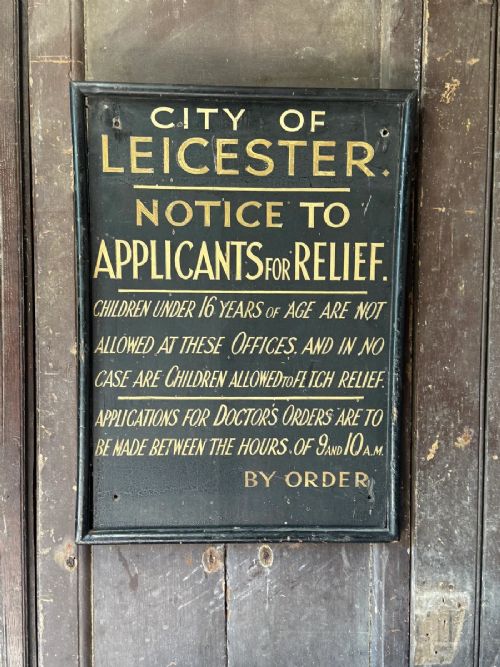
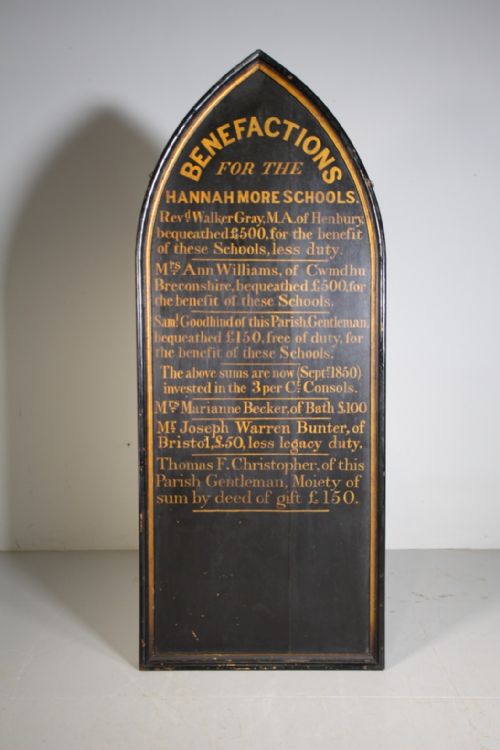
Inside establishments, similar panels advertised specific goods, trades, or municipal notices such as poor relief instructions.
How do I hang a heavy wooden sign safely?
Assess the weight of the timber panel and locate structural studs or masonry in your wall before attempting to mount it. Utilise robust steel fixings that match the existing brackets or hanging points on the piece.
Ensure the hardware takes the full load so the sign hangs securely without straining the original wood.
Should I clean the original painted surface?
Dust the surface gently with a soft, dry cloth to remove loose particles without disturbing the underlying pigment. Avoid harsh chemical cleaners or modern detergents that can strip fragile historical paint layers.
Leaving the aged patina intact preserves the visual history and character of the board.
How can I tell an older sign from a reproduction?
Examine the timber for natural shrinkage, oxidation around iron fixings, and the distinct wear patterns associated with decades of exposure. Hand-painted lettering on genuine pieces exhibits subtle irregularities that machine printing cannot replicate.
The integration of period materials like pine and traditional paint formulations further confirms age.