

19th Century Painted Board
When you search for a 19th century painted board, you encounter diverse items ranging from fine oil paintings on wooden panels to architectural signs, folk art, and functional furniture elements.
19th Century Painted Board
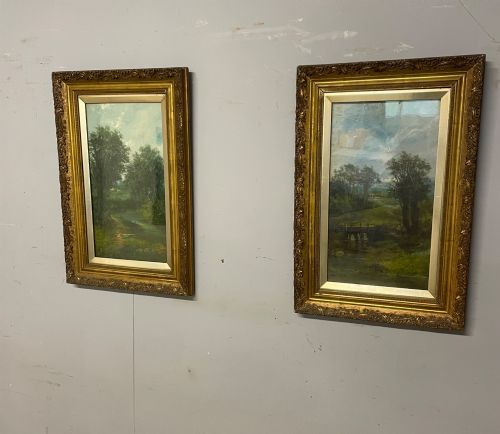
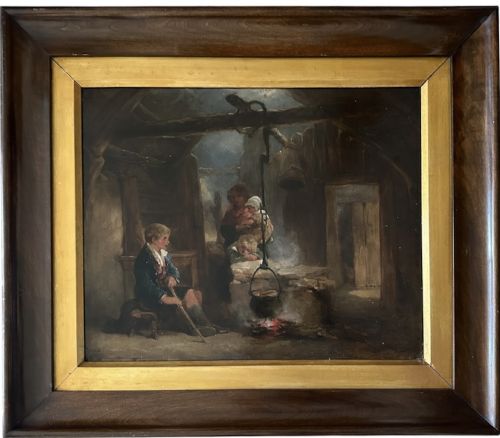
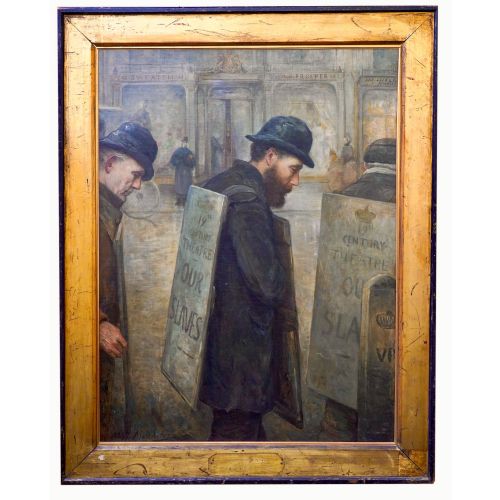
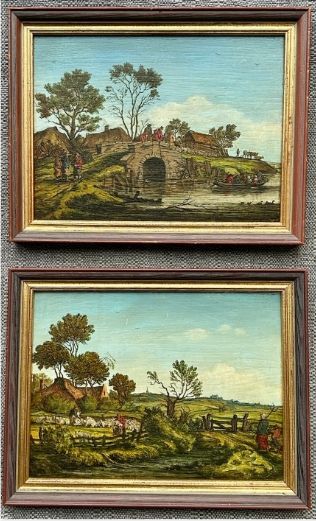
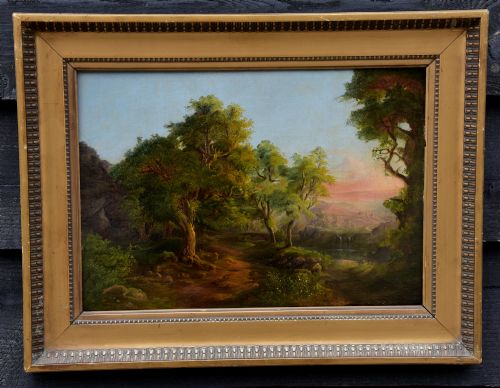
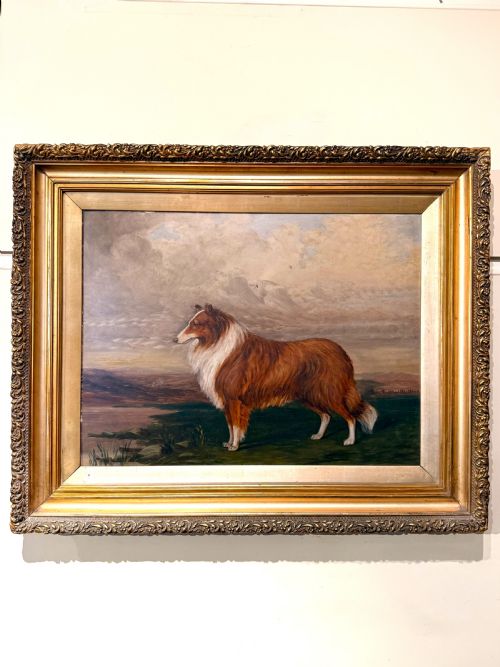
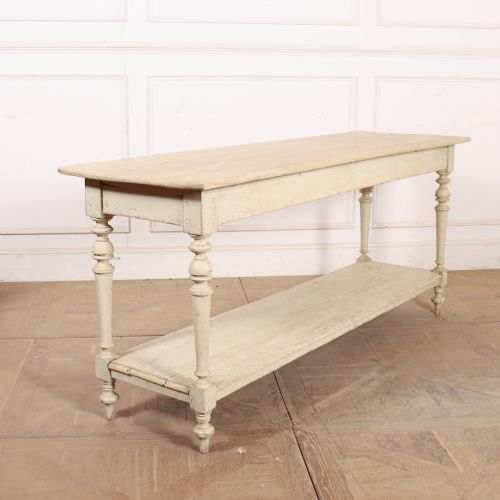
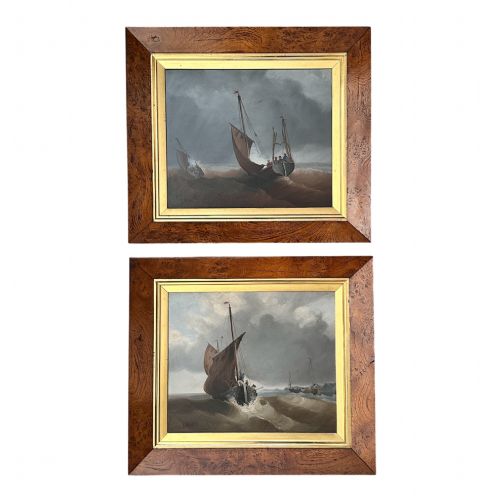
The term 19th century painted board covers a remarkably wide spectrum of objects, bridging fine art and utilitarian craftsmanship. Buyers examining this category will find everything from delicate Victorian oil paintings on wooden panels and maritime scenes to robust advertising signs, theatrical scenery boards, and painted furniture components.
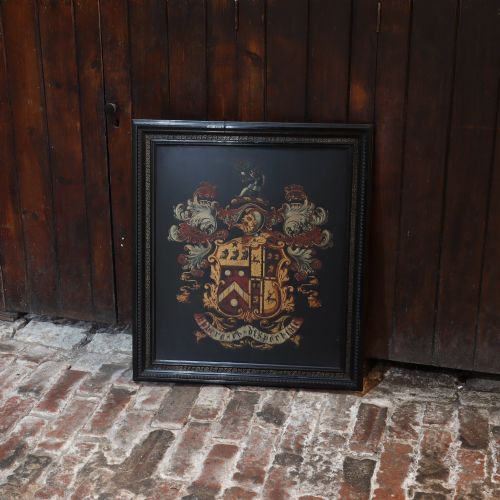
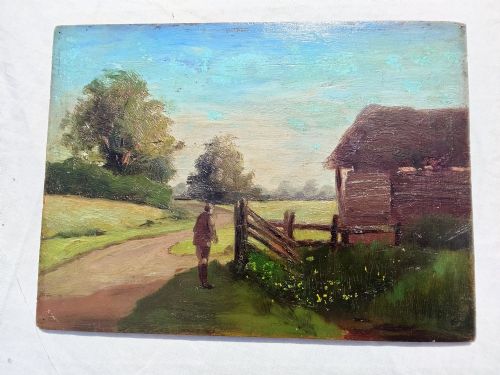
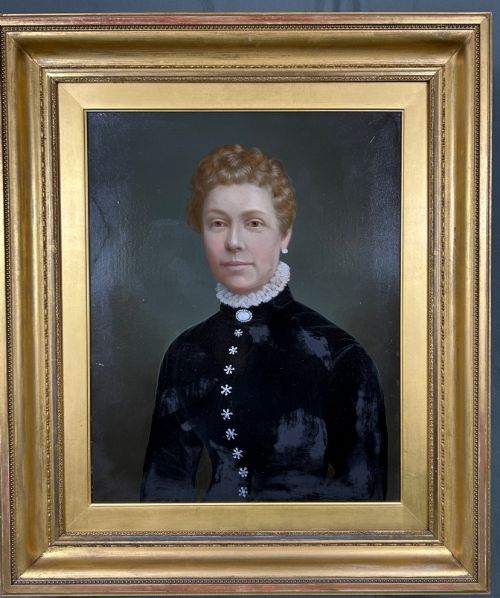
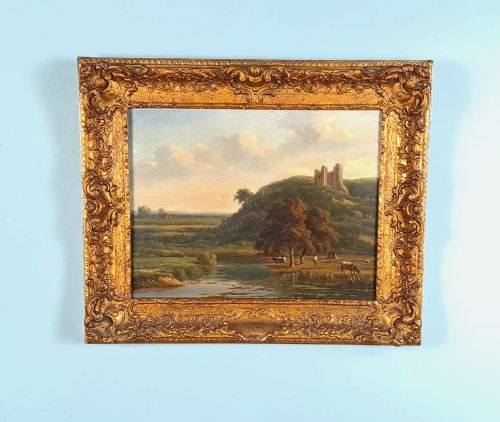
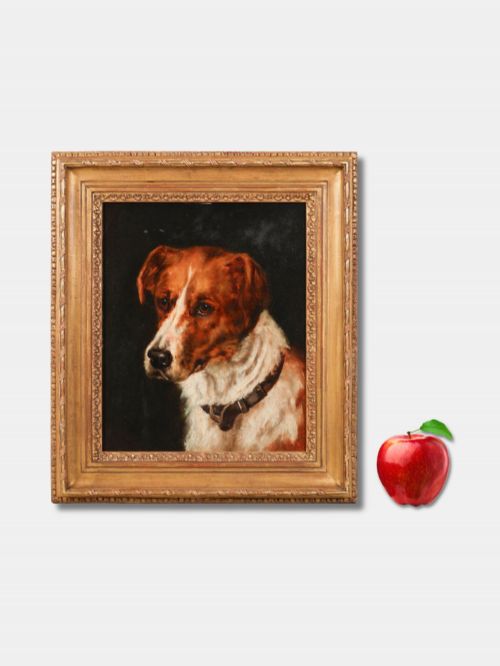
Fine art examples include landscape and portrait studies executed directly on wood panels or boards by British and European artists. Alongside these pictorial works, the category encompasses vernacular items such as fairground ride panels, heraldic panels, and games boards.
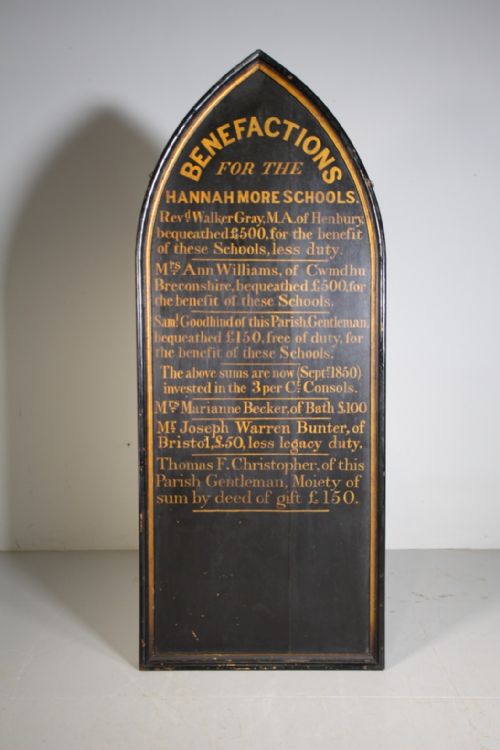
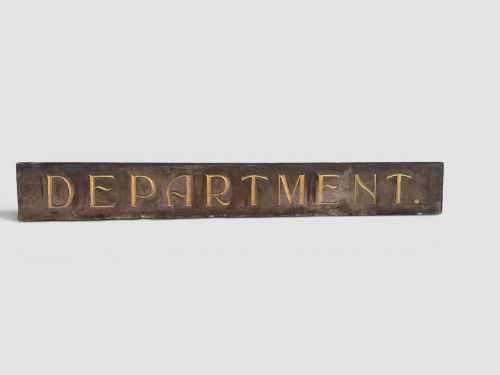
Architectural and commercial survivals also feature heavily, including painted shop signs, cart sides, and architectural panels. Many pieces demonstrate distinct regional characteristics, spanning English, Scottish, Welsh, French, and Scandinavian origins.
Materials and Techniques
The construction of these pieces relies fundamentally on timber substrates, predominantly featuring pine, oak, and various wooden panels and boards prepared to receive pigment. Artisans and painters applied oil paint, sometimes enhanced with gesso or gold leaf, creating durable surfaces that have survived across generations.
Artistic works utilised traditional oil painting techniques on wooden boards, occasionally with canvas later laid onto board for structural support. Utilitarian items such as signs, furniture panels, and architectural elements received layered applications of durable paint, often in distinct regional colours or folk art palettes.
Listings feature 19th-century works spanning fine art oil paintings, maritime scenes, shop signs, and games boards on wood.
Assessing Quality and Execution
Quality in these pieces is dictated by the finesse of the brushwork, the preservation of the original paint surface, and the structural integrity of the wooden board itself. Finer artistic works display confident draughtsmanship, subtle tonal gradation, and attribution to recorded artists or identifiable schools.
In utilitarian and folk art pieces, distinction lies in the character of the surface patination, the originality of the painted decoration, and the historical interest of the subject matter. Unaltered surfaces with genuine wear elevate a piece far above examples that have undergone modern restoration or overpainting.
Felix Stone Moscheles·John Moore of Ipswich·T C Hofland·Miles Birkett Foster·Everett Watson Mellor·Gabriel Puig Roda·John Constable·James Kyd·William Mellor·George Hilditch·Colin Graeme Roe·Antonietta Brandeis
The 19th Century Painted Board Glossary
- Board
- A flat piece of wood used as a rigid support for painting or as a structural component in furniture and signage.
- Oil Paint
- A slow-drying paint made by combining pigments with a drying oil, widely utilised throughout the period for both fine art and durable decoration.
- Folk Art
- Artistic work produced from an indigenous cultural tradition or by self-taught makers, often seen in naive paintings, game boards, and vernacular signs.
- Gesso
- A plaster-like mixture used as a smooth base coat on wood panels before applying paint or gilding.
- Tondo
- A circular painting or relief sculpture, frequently encountered in 19th-century landscape and portrait formats.
19th Century Painted Board: Frequently Asked Questions
What is a painted board?
A painted board is a wooden panel, sign, or structural element decorated with oil paint, displaying either fine art or vernacular decoration from the period.
These pieces range from professional artist canvases laid on board to trade signs and decorative panels.
How do I care for wooden painted boards?
Keep wooden painted boards away from direct sunlight and dramatic fluctuations in temperature to prevent the wood from warping and the paint from cracking.
Dust gently with a dry, soft cloth and avoid chemical cleaning agents that might compromise historical oil paint surfaces.
Are these boards signed by artists?
Some artistic boards feature signatures, monograms, or attribution to specific 19th-century painters, while many vernacular items, signs, and folk art panels remain anonymous.
Unsigned pieces rely on style, material analysis, and subject matter to indicate their approximate date and regional origin.
Where were these pieces originally used?
Depending on the specific form, these boards served as artists' painting supports, exterior shop signage, interior wall decoration, or components of furniture and games.
Their diverse origins span domestic parlours, commercial premises, fairgrounds, and artist studios across Britain and Europe.