
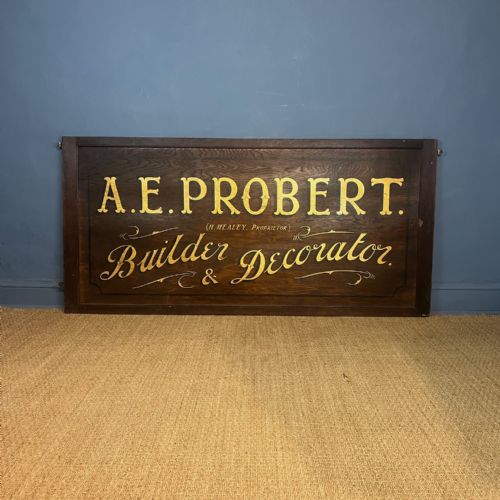


Edwardian Trade Sign
These pieces of edwardian trade sign show the robust commercial graphics of early twentieth-century high streets, offering genuine character for modern interiors.
Edwardian Trade Sign
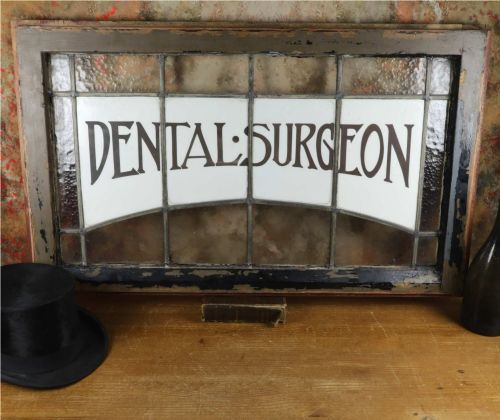
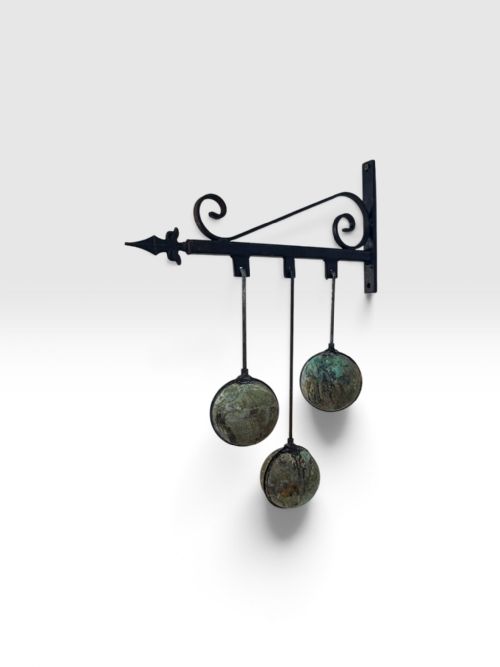
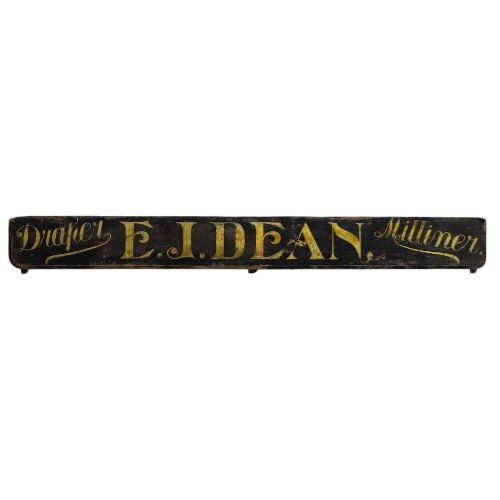
An edwardian trade sign comprises original shop boards, window displays, and hanging markers produced to advertise businesses and trades during the early twentieth century. Buyers seeking an edwardian trade sign will encounter painted wooden panels, metal advertising displays, and glass window signs originating from chemists, dental practices, milliners, and pawnbrokers. The selection spans the Edwardian period into the 1920s and 1930s, reflecting the commercial streetscape of the era.
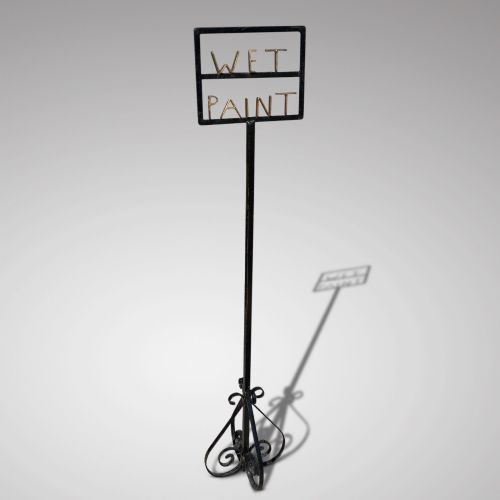
Forms vary from large wall-mounted boards to hanging metal brackets and reverse-cut glass panels designed for shopfronts. Many examples display the direct lettering and folk art sensibilities typical of early twentieth-century commercial signage. Architectural salvage and related advertising pieces often accompany these boards, providing genuine historical context from period high streets.
How they were made
Makers utilised traditional timber such as pine for painted boards, applying hand-lettered oil paint directly to the wooden surface. Metal signs incorporated wrought iron, brass, lead, and copper, often utilising beaten, embossed, or enamelled techniques for durability.
Glass panels relied on reverse cutting and painting methods to protect the decorative surface behind the pane. Original wooden frames frequently secured these glass and metal displays, maintaining their structural integrity through decades of commercial use.
Keep an eye out for life-size carved wooden cricketers taking their stance among the shop boards.
What varies in quality
Quality rests in the originality of the surface paint, the clarity of the lettering, and the integrity of the materials. Pieces retaining their undisturbed original painted finishes and authentic mounting hardware stand apart from later restorations.
The sophistication of the typography and the depth of the craftsmanship - such as beaten copper panels or reverse-cut glass - distinguish standard commercial output from superior examples of period folk art.
Trebor
The Edwardian Trade Sign Glossary
- Trade Sign
- A board or marker used by a shopkeeper or artisan to advertise a business or profession. These objects hung outside premises or appeared in windows to identify services to the public.
- Reverse Cut Glass
- A technique where lettering and decoration are applied to the back of a glass panel, often gilded or painted, protecting the design from weather and wear.
- Architectural Salvage
- Building elements and fixtures rescued from structures slated for demolition. This category includes shop signs, brackets, and cupboards removed from period buildings.
Edwardian Trade Sign: Frequently Asked Questions
How do I hang a heavy trade sign?
Most large boards and metal signs require secure fixing into structural wall studs or masonry using appropriate brackets. Due to their solid timber and metal construction, weight distribution is the primary consideration.
Professional installation ensures the piece remains secure without damaging the original frame or hanging points.
Are these signs weatherproof for outside use?
While these pieces originally functioned outdoors, surviving examples often display delicate painted surfaces or aged iron that suffer in modern damp conditions. Displaying them indoors preserves the original paint and prevents further material degradation.
If placed outside, sheltered positions away from direct rain and harsh sunlight are essential for their preservation.
How can I tell an original sign from a reproduction?
Original pieces exhibit authentic surface wear, stable aged patina on wood or metal, and period-correct construction methods like hand-lettering and traditional joinery. Machine-cut lettering and distressed paint applied to mimic age usually betray modern reproductions.
Examining the fixings, backboards, and edges often reveals the true age of the materials used.
What trades are most common on these signs?
Surviving examples frequently represent traditional high street occupations such as chemists, opticians, dental surgeons, pawnbrokers, and drapers. These businesses relied heavily on clear visual advertising to attract passing foot traffic.
The specific trade often dictates the material used, from delicate glass pharmacy panels to robust iron pawnbroker symbols.