

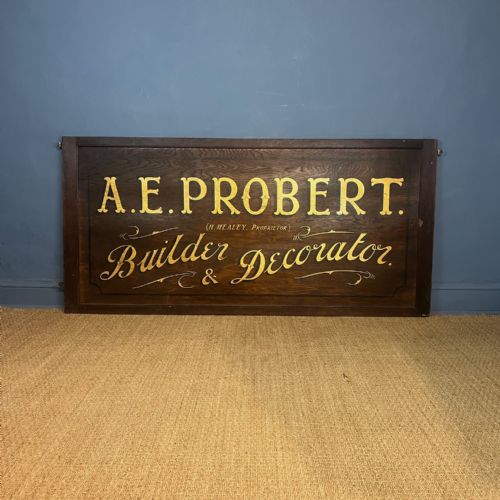


Painted Wooden Trade Board
These painted wooden trade board examples are period shop signs and advertising panels offering direct tactile contact with past commerce.
Painted Wooden Trade Board
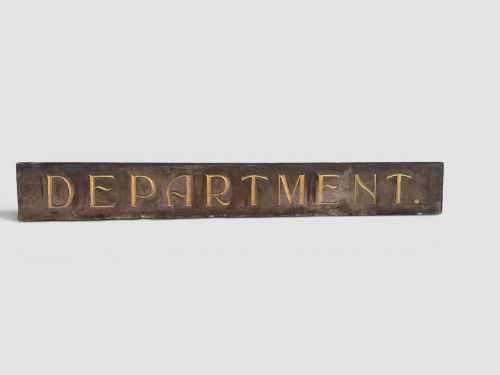
When you search for a painted wooden trade board, you encounter antique shop signs, wall panels, and advertising pieces that once marked commercial premises. The versions most commonly met on this page span the nineteenth century through the interwar period, taking the form of large wall signs, department store shop signs, and specialist trade boards.
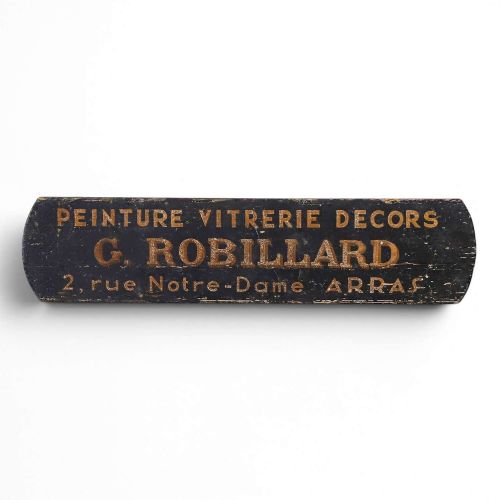
The selection includes specific functional items such as locksmith signs, pharmacy sign boards, decorators signs, and yachting signs. Many originate from British contexts, including Welsh borders, alongside French Belle Epoque examples.
These boards functioned as exterior or interior commercial markers, utilising painted surfaces and wooden panels to communicate trades to the public. They survive today as wall art and decorative wall signage carrying authentic historical provenance.
How they were made
The primary construction relies on timber bases, specifically oak and general wood materials, shaped into panels or board supports. Makers applied hand-painted lettering and pictorial elements directly to the wood, sometimes incorporating glass elements within original wooden frames or metal components like iron.
Detailing frequently involved gold leaf applied alongside traditional paint finishes to catch the eye of passers-by. These techniques produced durable exterior and interior signage designed to withstand commercial environments while maintaining legible trade identification.
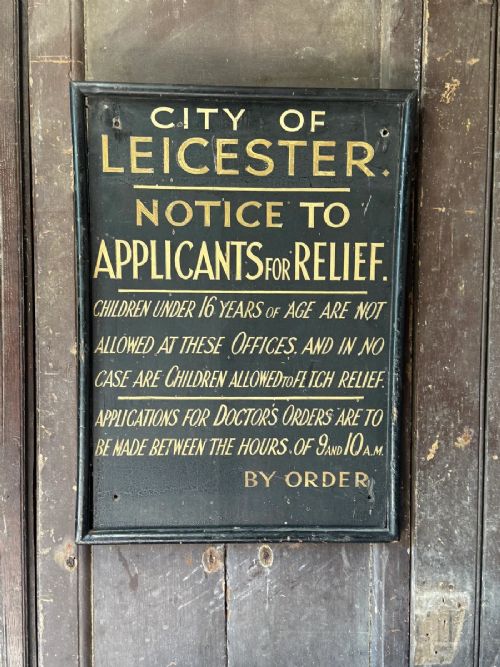
One listed sign records poor relief, reminding us that wooden boards once managed local parish charity alongside commercial trades.
What varies in quality
The distinction between ordinary and superior pieces rests upon the crispness of the hand-painted lettering and the preservation of the original surface. Signs featuring specific, identifiable trades such as locksmiths or pharmacy boards often display greater character than generic panels.
Quality also depends upon the integrity of the original wooden frame and the survival of early paint layers without excessive later overpainting. Scale plays a role, with larger department store signs and expansive wall panels presenting stronger visual presence.
The Painted Wooden Trade Board Glossary
- Trade sign
- A board or panel displayed outside a shop or business to advertise the trade or profession conducted within. These pieces utilise hand-painted text and imagery to attract customers from the street.
- Gold leaf
- Extremely thin gold beaten into sheets, used for lettering and ornamentation on signs. It provides a reflective quality that remains bright and legible in varying lights.
- Belle Epoque
- A period of French history spanning the late nineteenth century to the First World War. Signs from this era often exhibit distinct decorative artistic traits associated with French commerce.
- Panel
- A flat piece of wood set within a frame or forming a distinct surface section. Trade boards are frequently constructed from heavy timber panels suited to wall mounting.
Painted Wooden Trade Board: Frequently Asked Questions
How were trade boards displayed?
These boards were mounted directly onto shop facades, interior walls, or cart sides to announce services to the public.
They served as the primary visual identification for businesses before modern illuminated signage became common.
What trades are typically represented?
Surviving examples reflect a range of historical occupations including locksmiths, decorators, pharmacists, and maritime outfitters.
Department stores and general commerce also commissioned large advertising panels to display their services.
How do I date a painted sign?
Dating relies on the style of lettering, the type of wood used, and the construction methods of the accompanying frame.
Contextual clues such as French Belle Epoque characteristics or Edwardian commercial typography help narrow the period of origin.
Can these signs be hung on modern walls?
Most pieces retain structural integrity suited for interior wall mounting as decorative art or architectural elements.
Their substantial timber construction requires secure fixings appropriate for the weight of the specific board.