






Edwardian Advertising Sign
An edwardian advertising sign brings tangible history into a room, spanning painted glass, enamel, and carved wood from early commerce.
Edwardian Advertising Sign
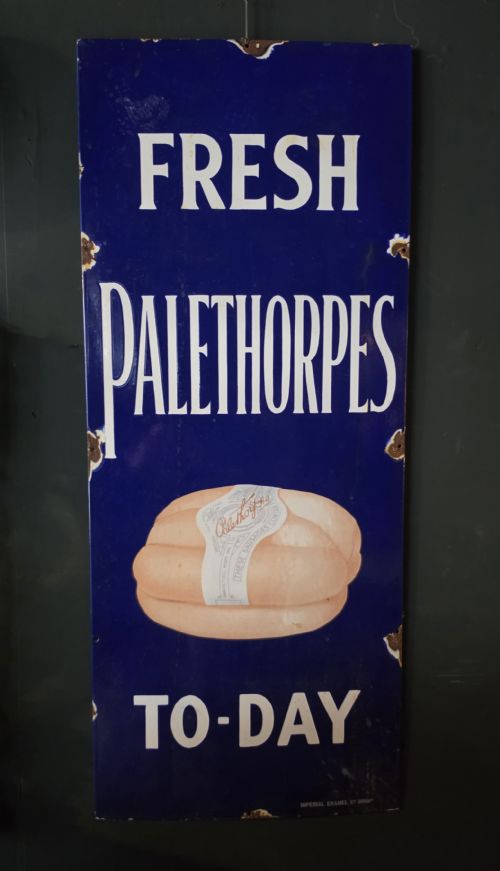
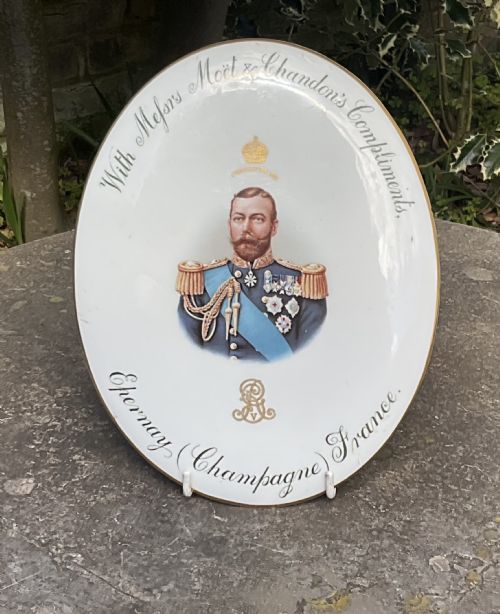
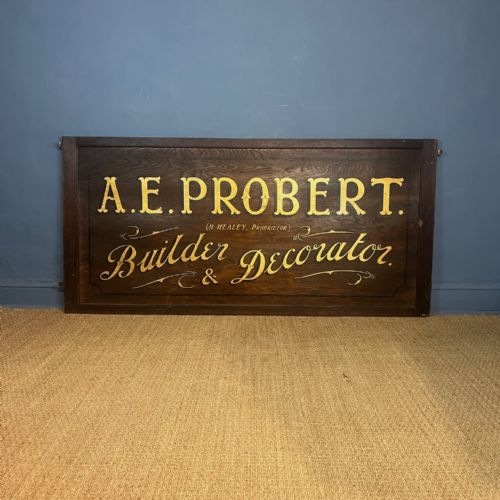
When searching for an edwardian advertising sign, collectors encounter a diverse array of functional trade pieces originating from shops and businesses. The selection spans wall signs, enamel signs, decorative plaques, and reverse cut glass window panels made to promote products of the era.
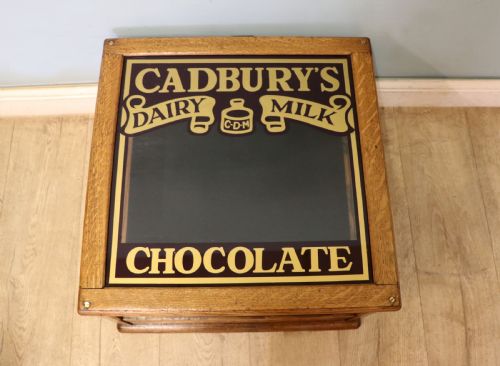
Beyond flat signage, the category extends to glazed display cabinets, shop chairs, and mirrors bearing period or later trade lettering. Buyers most frequently meet pieces utilising painted glass, enamel, and wood, reflecting the commercial requirements of early twentieth-century retail.
How they were made
Makers utilised durable materials suited to commercial environments, combining glass, metal, iron, brass, and gold leaf with timber frames in oak, walnut, and hardwood. Enamel signs were fused onto metal plates for outdoor resilience, while glass panels were reverse cut or painted for shop windows and mirrors.
Sign-writing involved careful hand lettering applied directly to wood, glass, or metal surfaces, sometimes integrated into the structure of display units and cabinets. Beaten copper and embossed brass panels provided tactile dimension for plaques and hardware branding.
Edwardian Advertising Sign Retail Price Guide 2026
Typical asking prices for edwardian advertising sign among the pieces listed under this phrase on Sellingantiques today, from the lower quarter to the upper quarter. They describe what is for sale here now, not the wider market.
Materials recorded across the inventory include glass, paint, wood, oak, metal, brass, iron, and gold leaf.
What varies in quality
Quality in an edwardian advertising sign rests upon the crispness of the original typography and the preservation of the painted, enamelled, or gilded surface. Pieces retaining their uncompromised factory finish or skilled hand-lettering stand apart from those with heavy later intervention.
The choice of framing materials and the structural integrity of associated wooden cabinets or metal mounts also dictate the tier of a piece. Hand-beaten detailing and substantial glass panels separate standard utility items from finer commercial artefacts.
Watsons Matchless Soap·Moët And Chandon·Palethorpes·Fry S Chocolate·Rowntree S Cocoa·Cadburys Chocolate·Aitchison
The Edwardian Advertising Sign Glossary
- Enamel sign
- A rigid metal plate fused with powdered glass via kiln firing to create a durable, weather-resistant graphic display. These pieces were standard for outdoor merchant promotion.
- Reverse cut glass
- A technique where lettering and imagery are etched, painted, and gilded on the rear side of a glass panel to protect the finish from damage. This method produced shop window panels and mirrors.
- Trade sign
- A functional marker used by a merchant or craftsman to identify a specific trade or establishment to the public. These objects range from painted wood to metal plaques.
- Gold leaf
- Extremely thin sheets of hammered gold applied to surfaces for lettering and decorative highlights. It provided a luminous finish visible through shop windows and on framed boards.
Edwardian Advertising Sign: Frequently Asked Questions
What materials make up an edwardian advertising sign?
Surviving examples utilise glass, paint, wood, oak, metal, brass, iron, and gold leaf. These substances were chosen for durability in commercial spaces.
Makers combined these elements into wall signs, enamel plaques, mirrors, and display cabinets designed to endure daily trade use.
How were these signs used originally?
Merchants placed them inside shops, on exterior walls, and in windows to promote everyday goods like tobacco, soap, chocolate, and starch.
Some pieces doubled as functional furniture, including display units, countertop cabinets, and shop chairs bearing brand names.
How do I identify the period of a trade sign?
Dating relies on the specific materials, typography styles, and the documented operating years of the advertised brands or makers.
While many pieces date from the Edwardian era and early twentieth century, some incorporate later sign-written decoration on older cabinet frames.
How should I care for a painted glass sign?
Painted and reverse cut glass panels require gentle dusting with a soft dry cloth and protection from direct moisture. The fragile glass surfaces and delicate lettering must not be treated with harsh cleaning chemicals.
Displaying them securely mounted on walls or within stable frames prevents accidental pressure on the old glass and wooden joins.