









Vintage Shop Display Sign
These vintage shop display sign pieces bring tangible commercial history into domestic spaces, offering painted lettering and figural presence that catch the eye immediately.
Vintage Shop Display Sign
When you search for a vintage shop display sign, you are looking at functional commercial artefacts that once directed customers, advertised brands, or promoted specific trades in high street shops. These pieces span from the late nineteenth century through the early decades of the twentieth century, encompassing periods like the Victorian and Edwardian eras.
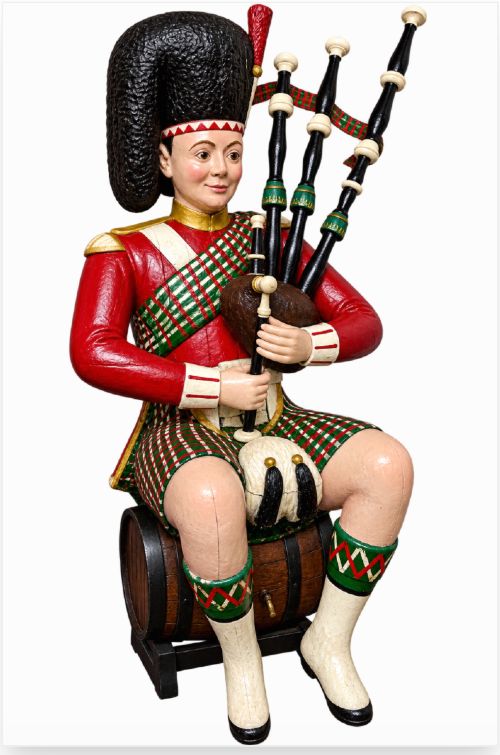
The objects on this page vary widely in form, ranging from painted trade signs and advertising displays to commercial figures, sample boards, and glazed display cabinets bearing later sign-written lettering for chocolate, tobacco, and household goods. You will frequently encounter items made for butchers, tobacconists, and grocers that rely on bold lettering and pictorial presence to command attention.
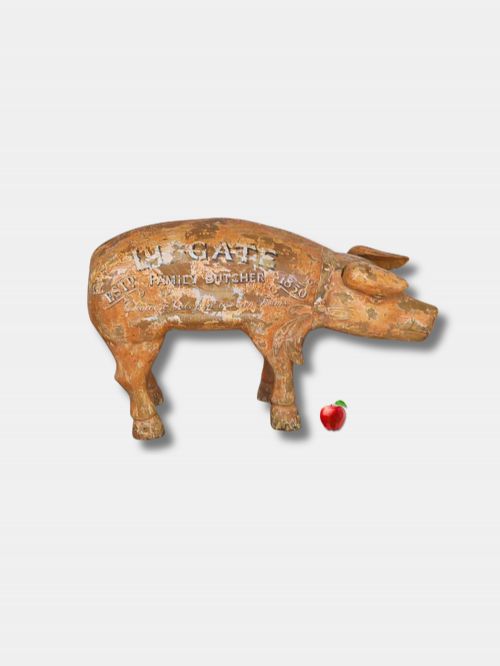
Many survivors combine functional furniture or mirrors with commercial lettering, merging everyday shop fittings with period advertising. Whether you select a carved wooden tradesman's figure, a painted iron butcher's pig, or a countertop cabinet with brand attribution, each item carries the visual language of historic retail trade.
Materials and construction
Makers utilised timber such as oak, mahogany, walnut, and assorted hardwoods to build sturdy display cabinets, frames, and carved trade figures designed to withstand daily retail traffic. Painted surfaces on wood, glass, and metal provide the primary canvas for lettering and imagery.
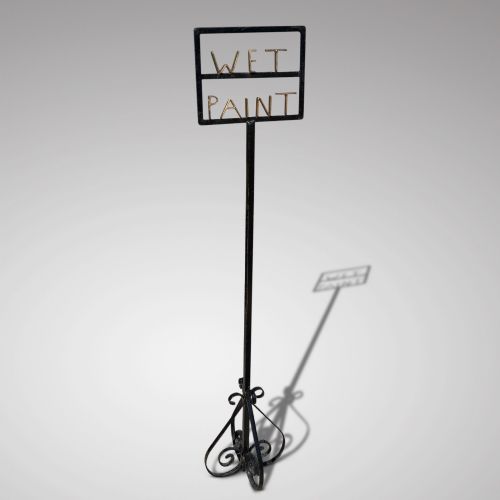
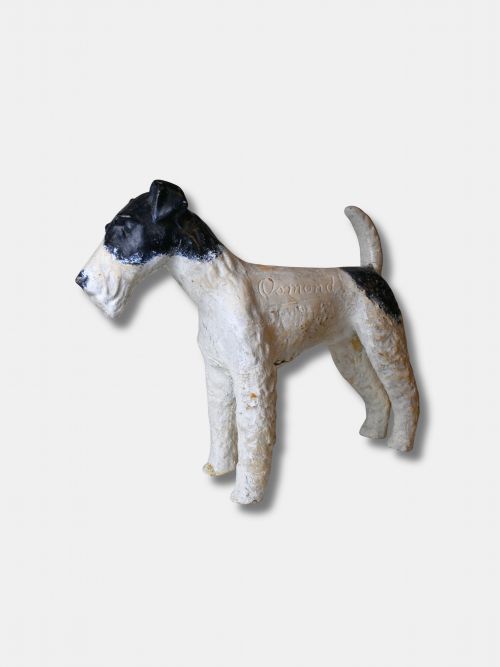
Wrought iron, brass, and painted glass appear across signs and display units, offering robust structural elements alongside delicate painted or gilded details. Composition materials and carved wood bring three-dimensional form to advertising figures and animal models.
Vintage Shop Display Sign Retail Price Guide 2026
Typical asking prices for vintage shop display sign among the pieces listed under this phrase on Sellingantiques today, from the lower quarter to the upper quarter. They describe what is for sale here now, not the wider market.
A sixteen-kilogram painted iron pig once stood in a butcher's window to catch the eye of every hungry passer-by.
Distinctions in quality
The standard of a piece rests heavily on the crispness and originality of its painted lettering and the proportional harmony of its carved or structural elements. Pieces bearing deep relief carving or clean hand sign-writing demonstrate superior artisan skill.
The integrity of the original materials, whether solid mahogany cabinetry, wrought iron framework, or untouched painted glass, separates standard commercial salvage from exceptional survivals. Surface patination accumulated through decades of use adds depth when it remains undisturbed.
Gerwin And Co Birmingham·Watsons Matchless Soap·GBD·Josef Herzog·Fry's Chocolate·Trebor·OXO·Cadburys Chocolate·Aitchison·Zambrene Weatherproof Clothing·Wilmot·A S And Sons Shore Pedic Shoes
The Vintage Shop Display Sign Glossary
- Sign-written
- Lettering applied directly to a surface by hand using paint. This technique defines much of the period lettering found on trade signs and repurposed shop cabinets.
- Trade sign
- A board or object hung or placed outside a business to indicate the trade practised within. These often took the form of oversized tools, animals, or symbolic figures.
- Sample board
- A display panel mounted with hardware or product examples for customer selection. These boards allowed merchants to showcase items compactly on walls or counters.
- Countertop display cabinet
- A glazed wooden case placed upon a shop counter to showcase goods while protecting them from handling. Many feature rear doors for staff access.
- Commercial trade figure
- A three-dimensional human or animal representation used by merchants to draw custom. Examples include carved figures and composition animals.
Vintage Shop Display Sign: Frequently Asked Questions
How were these signs used originally?
Merchants placed these items inside windows, on counters, or outside premises to identify their trade and promote specific manufacturers to passers-by.
They served as functional furniture, direct advertisements, and visual landmarks for customers navigating bustling nineteenth and early twentieth-century high streets.
Where should I place one at home?
These pieces suit kitchens, hallways, and living spaces where their bold typography and tactile materials can function as focal points.
Larger cabinets and wall signs integrate well into rooms designed with industrial or traditional commercial character.
How do I date a piece correctly?
Dating relies on identifying the underlying period of the object, such as Victorian cabinet work or Edwardian ironmongery, alongside the style of lettering.
Many functional cabinets received sign-writing later in their working lives to promote specific brands of chocolate or cocoa.
Are the painted surfaces original?
Surfaces vary between entirely original factory finishes and later hand sign-written additions applied during the working life of the object.
Both categories reflect historic retail practices where shopkeepers updated older furniture and signs to advertise contemporary goods.