




Shop Sign Enamel
These shop sign enamel pieces are durable advertising markers carrying vintage commercial history that bring industrial character to modern walls.
Shop Sign Enamel
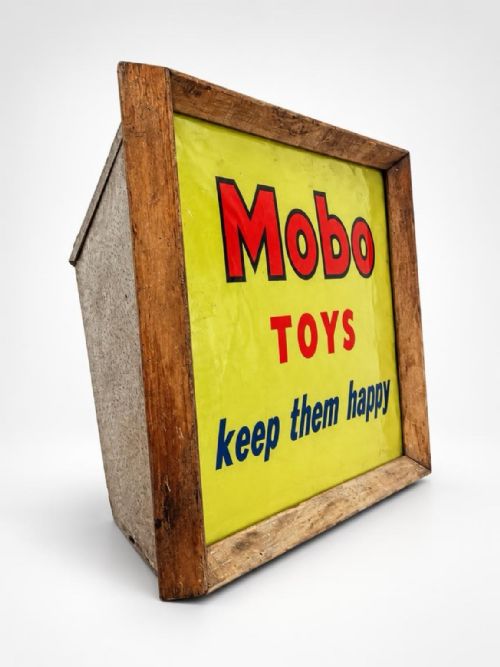
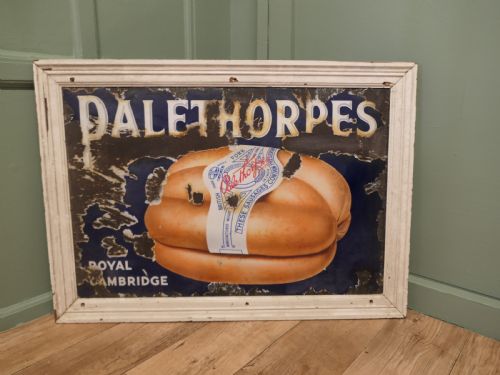
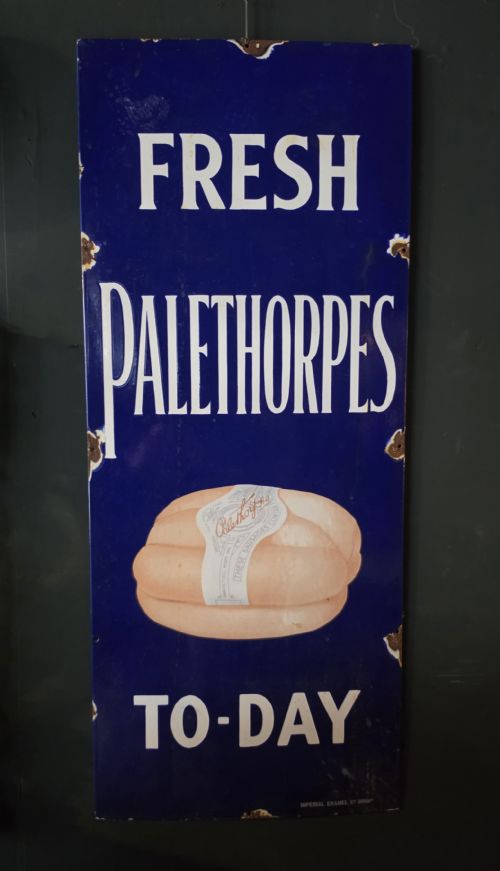
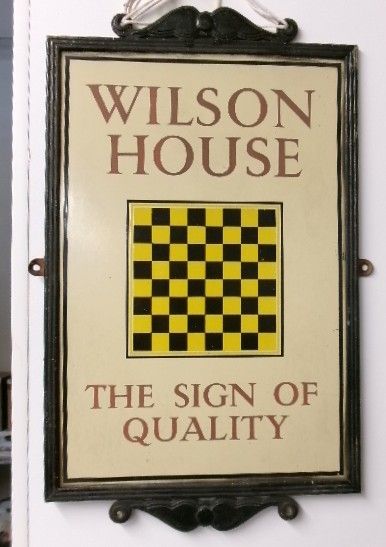
When you search for shop sign enamel, you encounter durable advertising displays produced for commercial premises throughout the early twentieth century. These pieces record historical brands, local newspapers, food products, and pharmaceutical goods on rigid metal supports.
The versions most commonly met on this page include wall-mounted panels, double-sided hanging signs, framed pieces, and occasionally trade seating bearing manufacturer names. They originate from periods spanning the Edwardian era through the nineteen-thirties.
Forms vary from small regional notices to large pictorial boards designed for outdoor mounting on shops and factories. Their survival reflects a robust manufacturing process intended to withstand outdoor weathering over decades.
Materials and construction
Makers formed these items using sheet iron or metal substrates, sometimes paired with wood frames or wrought iron hanging brackets. Enamelled steel and vitreous enamel provided a glossy, protective surface fused to the metal through high-temperature firing.
Text and pictorial details were applied in contrasting vitreous colours directly onto the enamel base before firing, ensuring the pigment bonded permanently with the metal plate. This technique created weather-resistant finishes that preserved vibrant commercial graphics outdoors.
Shop Sign Enamel Retail Price Guide 2026
Typical asking prices for shop sign enamel among the pieces listed under this phrase on Sellingantiques today, from the lower quarter to the upper quarter. They describe what is for sale here now, not the wider market.
Listings feature items spanning the Edwardian period, nineteen-ten, nineteen-twenty, and nineteen-thirty using iron, vitreous enamel, and wood.
Assessing quality in commercial signage
Quality in these signs depends upon the clarity and complexity of the lithographic or screen-applied enamel design, particularly where multi-coloured pictorial elements or detailed brand graphics are present. Simpler text-only notices contrast with elaborate pictorial representations of products.
The integrity of the fired vitreous surface and the preservation of the original metal substrate determine the visual strength of the piece. Surviving original frames or mounting brackets also elevate the completeness of the object.
The Shop Sign Enamel Glossary
- Vitreous Enamel
- A material made by fusing powdered glass to a substrate by firing, usually between seven hundred and nine hundred degrees Celsius. This process produces a smooth, durable, and chemical-resistant surface.
- Pictorial
- A term describing a sign featuring an illustration of the product or brand mascot rather than text alone. These graphical elements often enhance the visual appeal for collectors.
- Double Sided
- A sign manufactured with advertising graphics on both faces, usually projecting perpendicularly from a building wall so pedestrians could read it from either direction.
- Trade Sign
- An indicator identifying the profession, goods, or services offered by a merchant inside a commercial establishment. These range from pharmacy notices to confectioner displays.
Shop Sign Enamel: Frequently Asked Questions
How were these signs mounted originally?
Shop signs were bolted directly to exterior brickwork or suspended perpendicular to walls using metal brackets and frames.
Double-sided variants allowed pedestrians walking along the pavement to read the commercial message from multiple directions.
What periods do these pieces date from?
The available selection primarily spans the Edwardian era and the early twentieth century up to the nineteen-thirties.
Stylistic indicators and manufacturing materials align with commercial expansion during these decades.
How do I clean enamel signage?
Wipe the vitreous surface gently with a soft, damp cloth and mild soap to remove accumulated surface dust.
Avoid abrasive cleaners or metal polishes that can scratch the glossy glass coating or damage the fired pigments.
Are all these signs made of iron?
Most examples utilise sheet iron or enamelled steel as the primary metal substrate for rigidity.
Some related items incorporate wood frames or supplementary brass elements depending on the specific trade application.