

Vintage Wall Plaque
A vintage wall plaque brings immediate character to a room, offering everything from heavy iron signs to delicate carved panels.
Vintage Wall Plaque
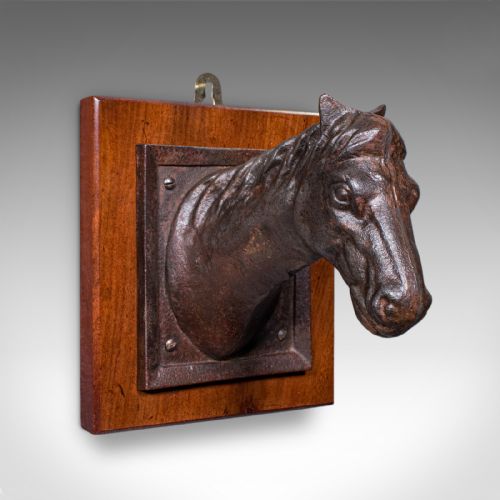
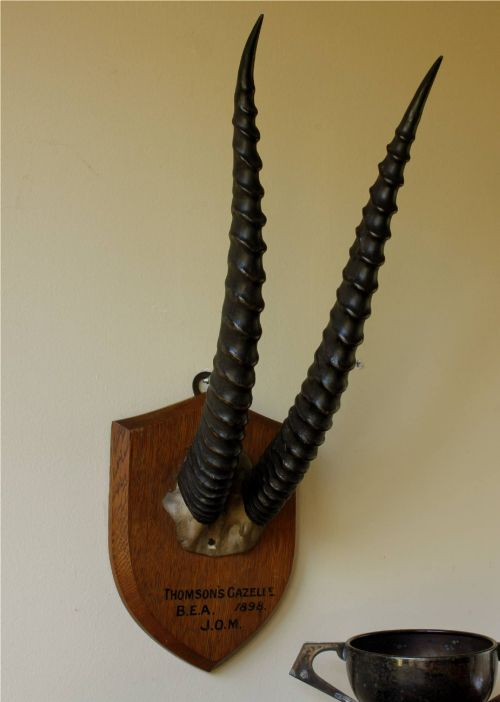
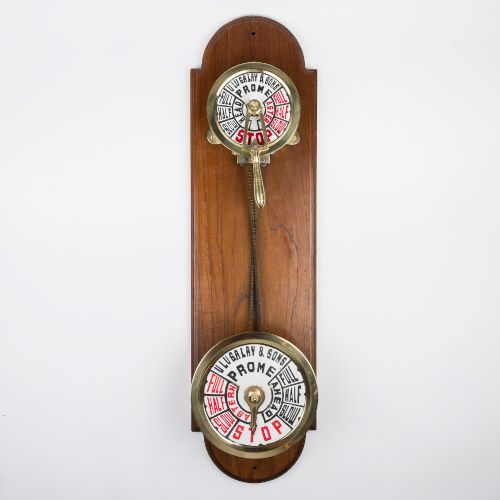
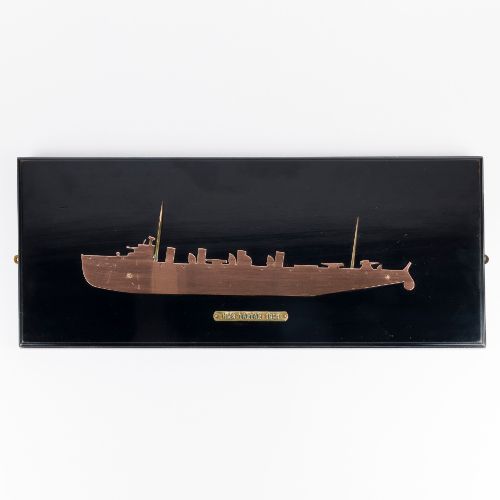
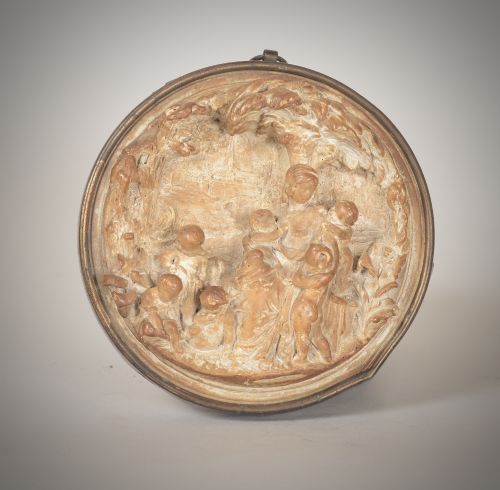
A vintage wall plaque spans a wide array of materials and functions, connecting domestic decoration directly to industrial history. Buyers searching for a vintage wall plaque encounter everything from cast iron railway signs and enamel advertising boards to carved wooden panels and taxidermy mounts.
The pieces originating from the nineteenth and early twentieth centuries dominate the selection. Everyday commerce, transport, and traditional craftsmanship all leave their mark on these surviving wall fixtures.
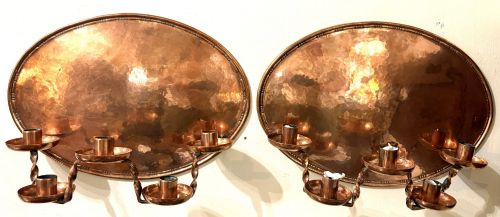
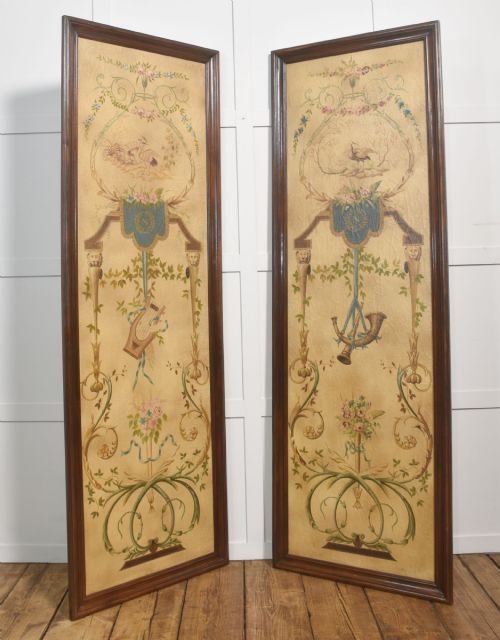
Decorative panels and architectural salvage appear frequently alongside functional items like copper wall sconces and painted timber signs. Each piece reflects the interior aesthetic and material demands of its specific decade.
Materials and construction
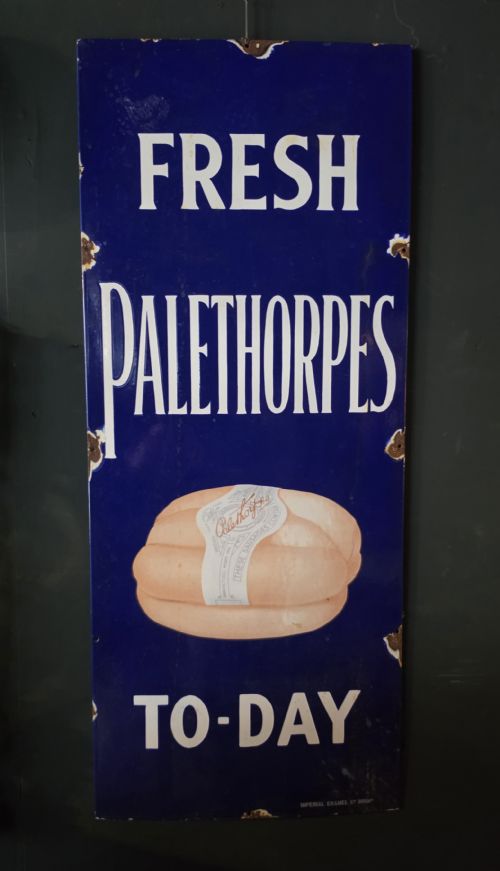
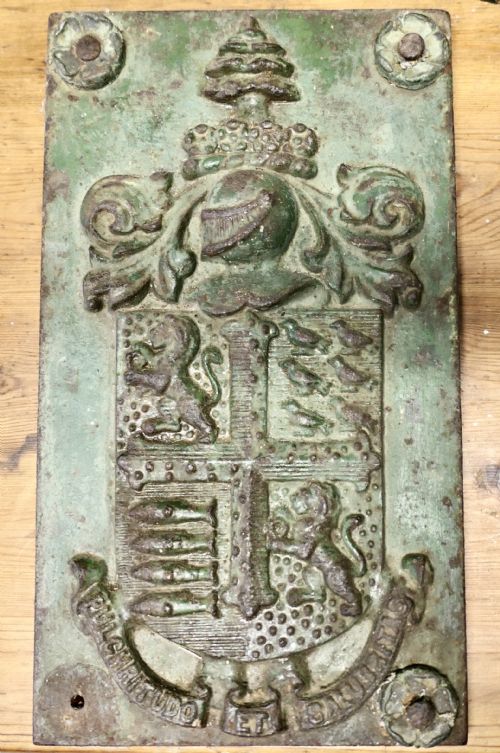
Metalwork dominates the construction of directional and advertising pieces, utilising cast iron, brass, copper, and vitreous enamel. Enamel signs rely on fused glass powder applied to metal sheets, creating a hard, glossy surface designed to withstand external weather.
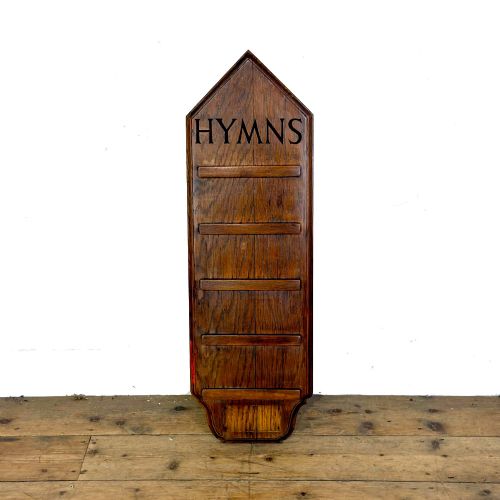
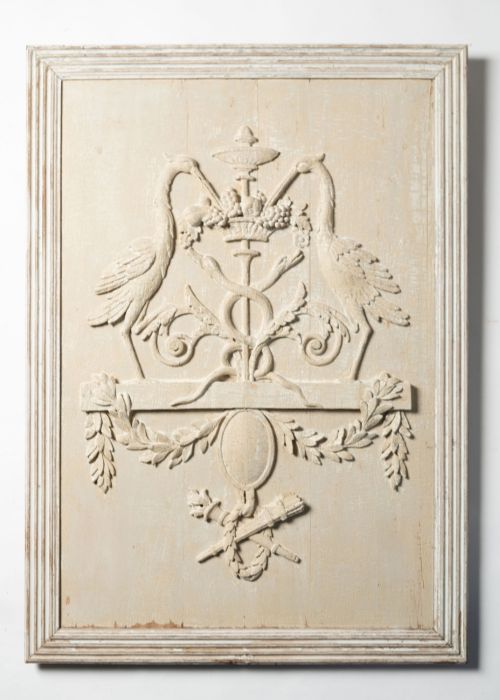
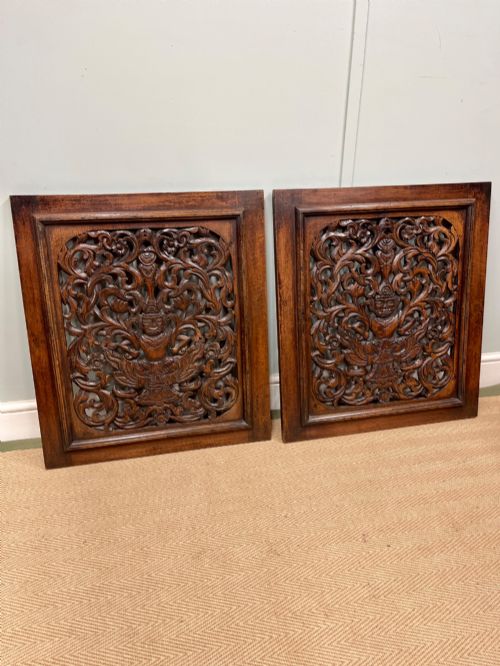
Woodworking traditions emerge through carved oak panels, hardwood armorial shields, and painted timber signs. Artisans utilised hand-carving techniques and traditional joinery, often pairing natural timber finishes with polychrome paint or gilt details.
Among the historical signage and stately animal trophies, a cheerful doggie wall plaque patiently awaits its next home.
Assessing the standard
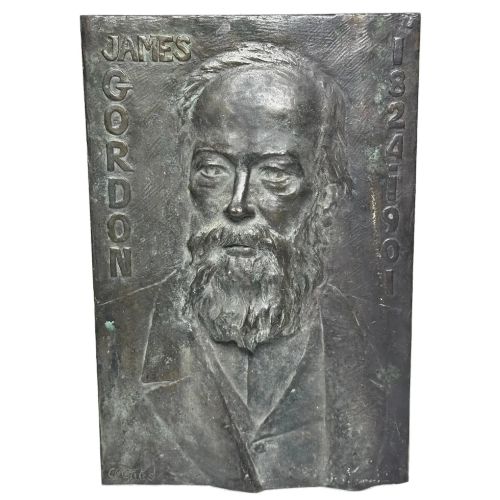
Quality rests primarily in the crispness of the casting, carving, or lettering. Superior metal plaques display deep, clean relief work and well-preserved enamel, whereas lesser examples show blurring or crude surface repairs.
Original fixings and authentic surface patination elevate a piece significantly. Retaining the original brackets, mounts, and unpainted or naturally aged surfaces indicates an object that has survived without heavy modern intervention.
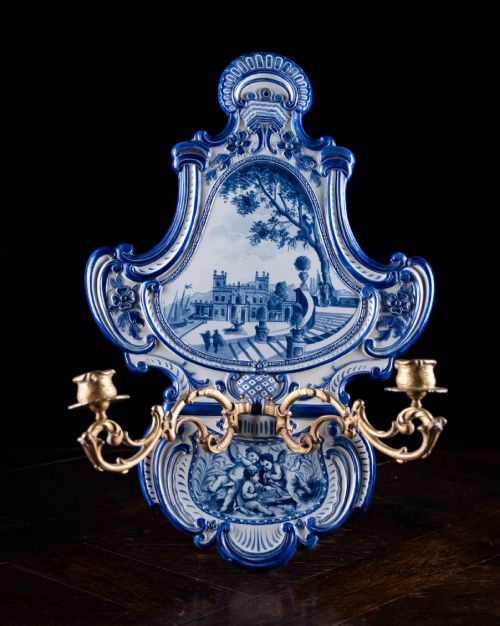
Ulugary & Sons·Alice Gates·Peter Spicer & Sons·Mintons·Villeroy & Boch
The Vintage Wall Plaque Glossary
- Repousse
- Metalworking technique where the design is hammered into relief from the reverse side. This method allows artisans to create intricate three-dimensional patterns in copper and brass.
- Pietra dura
- Pictorial inlay work utilising cut and fitted polished coloured stones. This meticulous technique produces smooth, stone-based panels with striking natural colour variations.
- Enamel
- Glass fused to a metal substrate through high-temperature firing. It provides a durable, glossy coloured finish commonly found on industrial and advertising signs.
- Armorial
- Relating to heraldry and family coats of arms. These carved or painted shields display specific genealogical symbols.
- Architectural salvage
- Building elements rescued from structures destined for demolition. Items range from decorative panels to entire doorways and relief dioramas.
Vintage Wall Plaque: Frequently Asked Questions
Can enamel signs be cleaned safely?
Enamel surfaces respond well to gentle washing with warm water and mild soap. Avoid abrasive scouring pads that can scratch the glossy vitreous surface.
Dry the metal edges thoroughly afterwards to prevent rust from forming around any chipped areas of the coating.
How do I date a wooden wall panel?
Dating wood relies on examining tool marks, timber shrinkage, and joinery methods. Hand-cut peg joints and irregular sawn surfaces usually point towards earlier manufacturing periods.
Comparing the decorative carving style to known architectural motifs from the eighteenth and nineteenth centuries provides further chronological context.
Where were advertising plaques displayed?
Advertising and railway signs originally hung outside shops, on station platforms, or inside commercial premises to attract customers and guide travellers. Enamel and cast iron endured exterior elements easily.
Today, these functional items transition indoors as striking decorative focal points in residential spaces.