

19th Century Metalwork
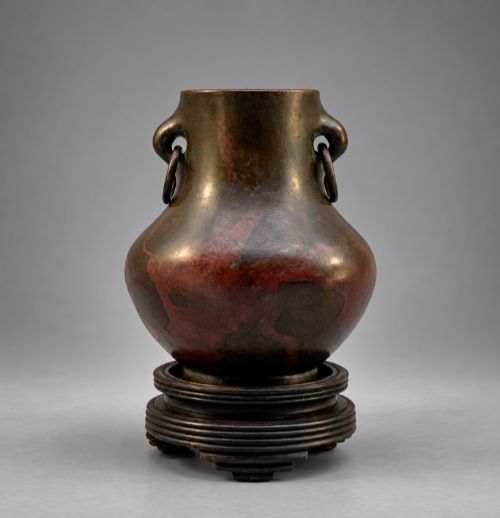
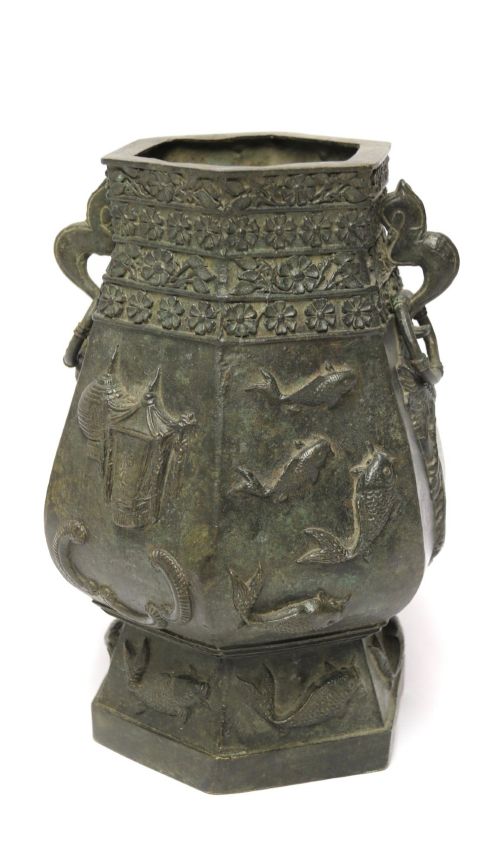
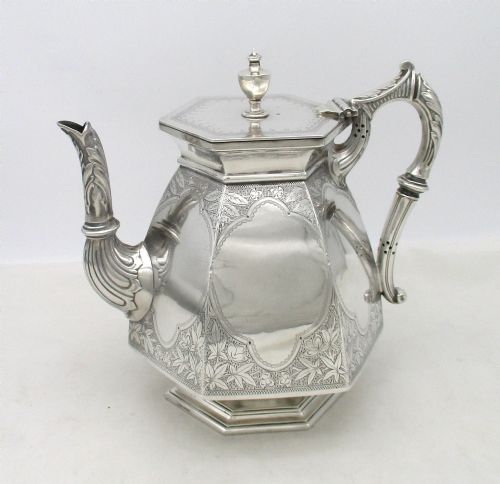
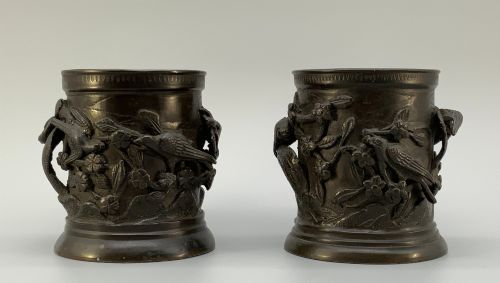
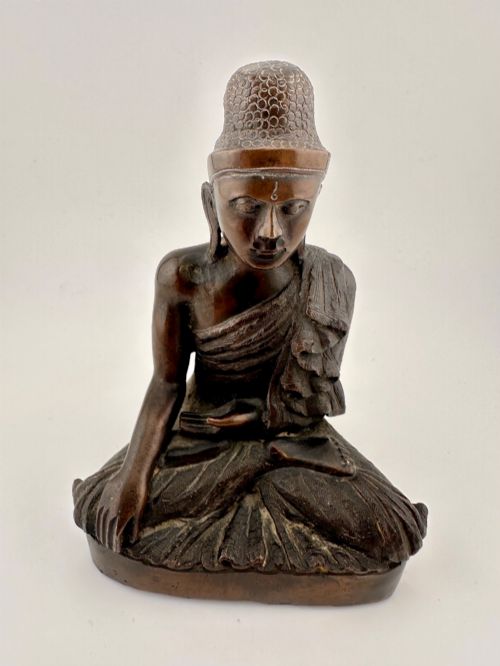
When buying 19th century metalwork, collectors secure vessels, figures, and decorative items fashioned from bronze, copper, brass, and silver across global traditions.
19th Century Metalwork
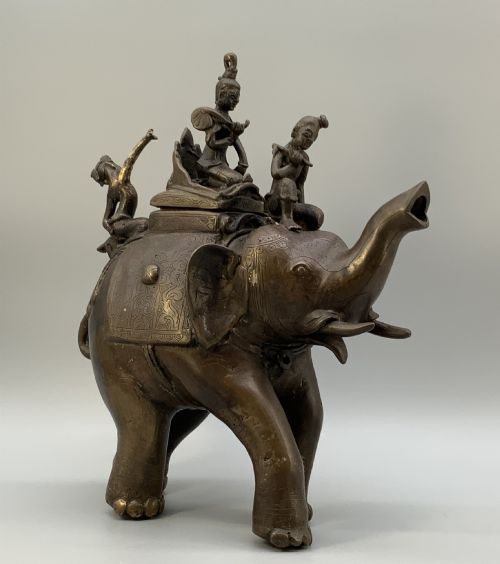
When searching for 19th century metalwork, buyers encounter a diverse array of utilitarian and ornamental objects produced across Europe, Asia, and the Middle East. These pieces range from Japanese Meiji period bronze vases and cloisonne enamel chargers to Indian engraved elephant sculptures and Middle Eastern copper coffee pots.
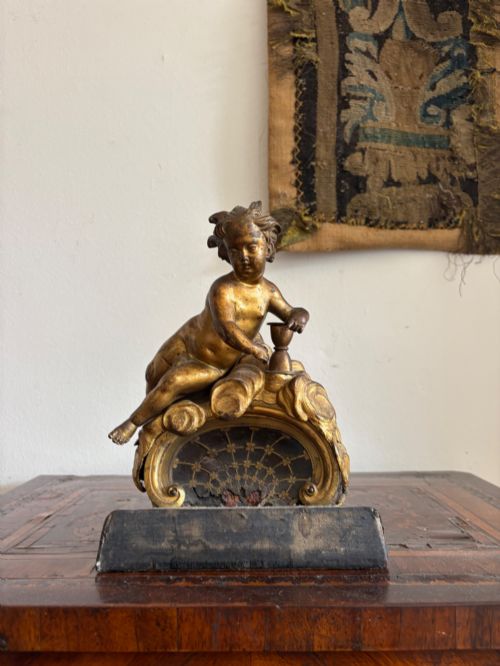
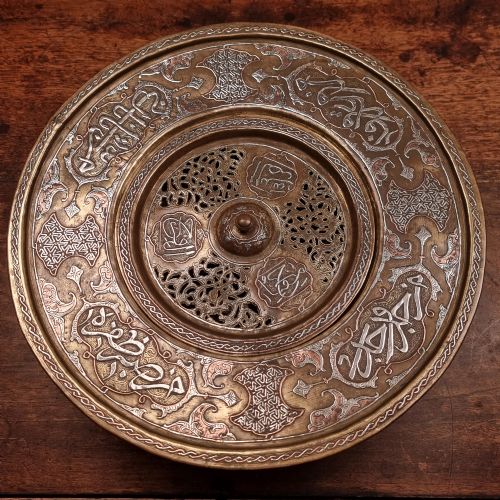
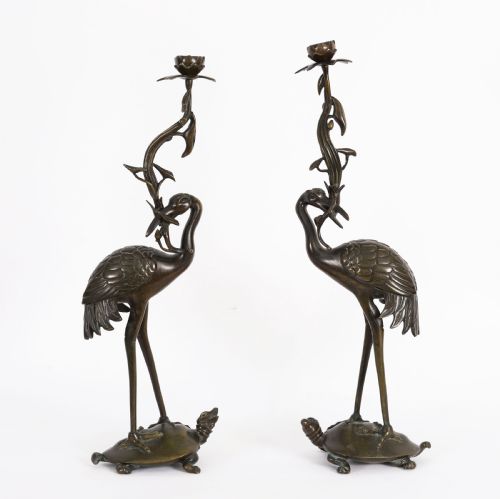
The selection on this page most frequently presents Japanese Meiji bronze figures and vessels, Chinese bronze and cloisonne items, and European gilt bronze ornaments or candlesticks. Alongside these, buyers find Islamic silver inlaid wash bowls, Indian repoussé copper, and Scottish brass or copper items from the Victorian era.
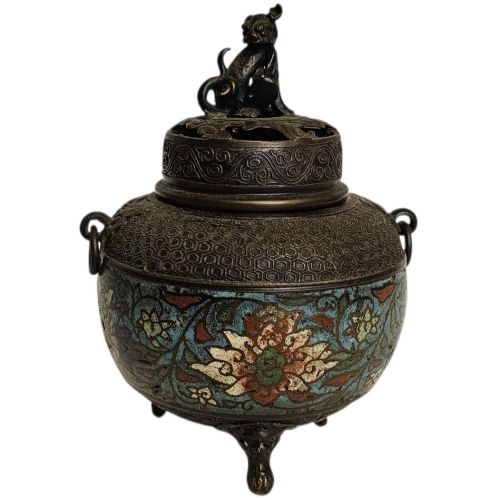
Forms span across vases, decorative bowls, chargers, sculptures, candlesticks, incense burners, and decorative boxes. Each object reflects the distinct material culture and stylistic revivals of the 19th century, incorporating influences from French ormolu to Mamluk revival designs.
How 19th century metalwork pieces were made
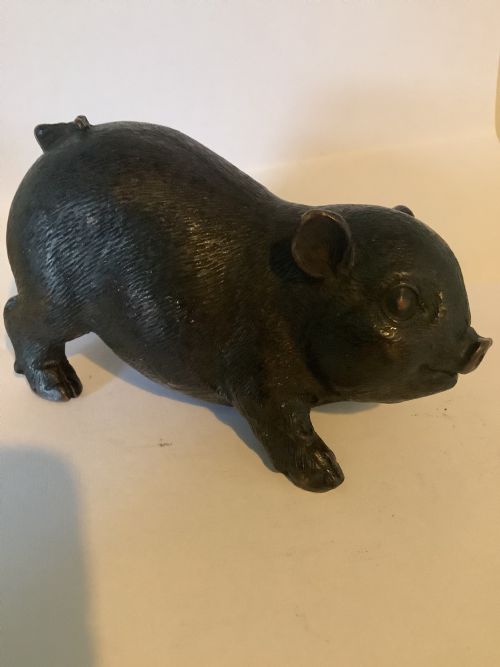
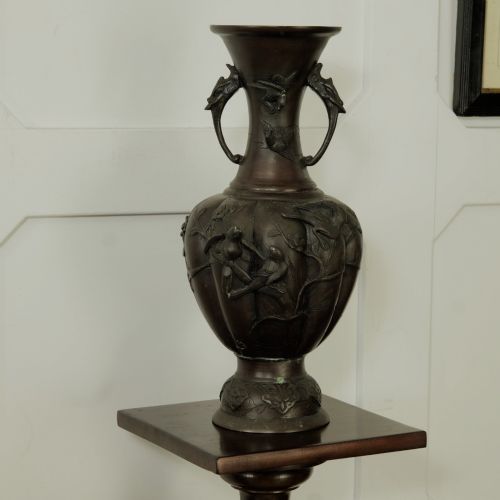
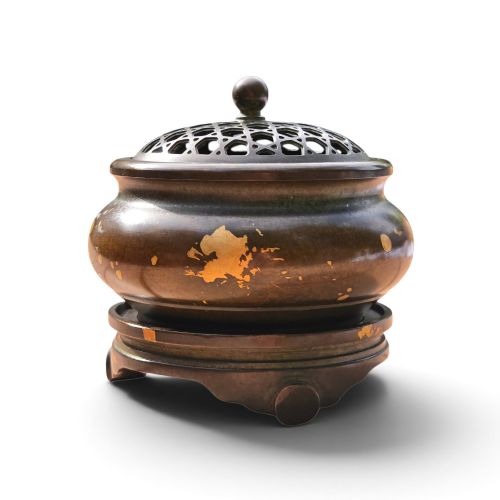
Many items utilise traditional casting techniques, particularly solid bronze and gilt bronze, often finished with patination, chasing, or gold-splashing. Bronze vessels and figures demonstrate detailed modelling, whether depicting animals, deities, or architectural finials.
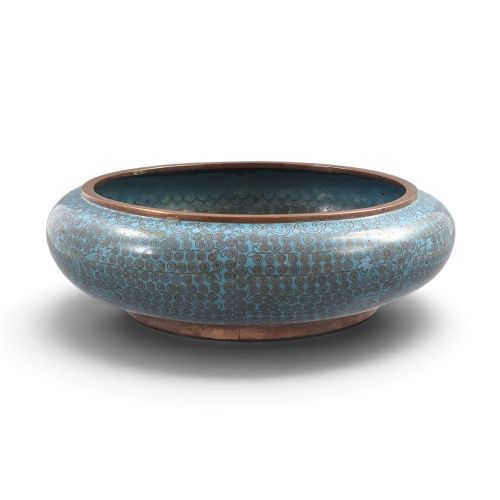
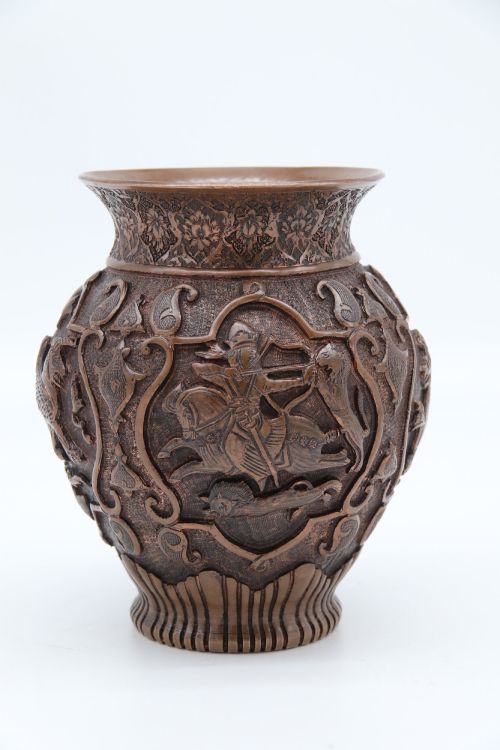
Enamelling techniques define a significant portion of the Asian pieces, with cloisonne and champleve methods fusing coloured enamels within wire or cast metal cells on copper or bronze bases. Other items employ repoussé and inlay methods, hammering copper or brass into raised relief and embedding silver or white-metal wire.
Iron and brass construction also appear in functional items such as ecclesiastical lecterns, log bins, and occasional tables, combining structural metalwork with decorative surface engraving.
Among the creatures cast in Meiji bronze, an articulated centipede stands ready to crawl across your desk.
What varies in quality in 19th century metalwork
The standard of 19th century metalwork depends heavily on the precision of the casting and the crispness of the chasing or surface detail. Masterpieces in bronze or cloisonne display clean lines, secure enamelling without pitting, and deeply articulated motifs rather than soft, mass-produced textures.
Signatures and provenance elevate certain pieces, particularly signed Japanese Meiji bronzes and cloisonne trays, or marked European ormolu mounts and bronzes. The complexity of multi-part construction, such as articulated insect forms or multi-armed deity figures with stone inlays, demonstrates advanced workshop skill.
Gustav Grohe
The 19th Century Metalwork Glossary
- Cloisonne
- An enamelling technique where thin metal wires are soldered to a metal base to form compartments filled with enamel paste before firing.
- Ormolu
- Gilded bronze, where a gold-mercury amalgam or gold leaf is applied to a bronze base, common in French decorative objects.
- Repousse
- A metalworking technique where the metal is hammered from the reverse side to form a raised design in relief on the front.
- Champleve
- An enamelling method where troughs or cells are carved directly into the metal surface to hold the coloured enamel.
- Meiji Period
- The era in Japanese history spanning from 1868 to 1912, noted for highly refined metal casting and cloisonne production.
19th Century Metalwork: Frequently Asked Questions
What is 19th century metalwork?
This category encompasses decorative and functional objects created from materials such as bronze, copper, brass, and silver during the 1800s. It spans global traditions, including Japanese Meiji bronzes, Chinese cloisonne, Middle Eastern copperware, and European ormolu.
Items range from large temple censers and chargers to delicate scholar desk accessories, animal sculptures, and household vessels.
How were bronze pieces finished?
Craftspeople used various chemical and mechanical treatments to finish bronze surfaces, including dark patination, gilding, and gold-splashing. Many pieces also feature inlaid elements like silver wire or turquoise stones.
Chasing and engraving tools added fine linear details to feathers, fur, and geometric patterns after the initial casting process.
How should I display metalwork at home?
Metal objects benefit from stable indoor environments away from direct moisture to protect patinas and enamels. Placing bronze sculptures, vases, or censers on dedicated surfaces allows their three-dimensional forms and surface textures to catch natural light.
Heavier items like architectural mounts, bowls, and trays function well as focal points on tables or desks.