



Copper Wall Plaque
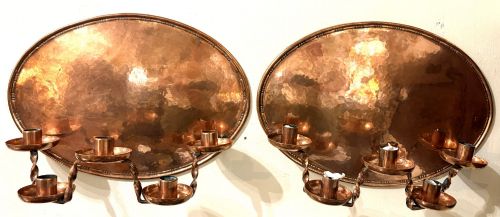
A copper wall plaque brings textured metalwork into a room, offering everything from beaten Arts and Crafts designs to Japanese cloisonné enamel.
Copper Wall Plaque
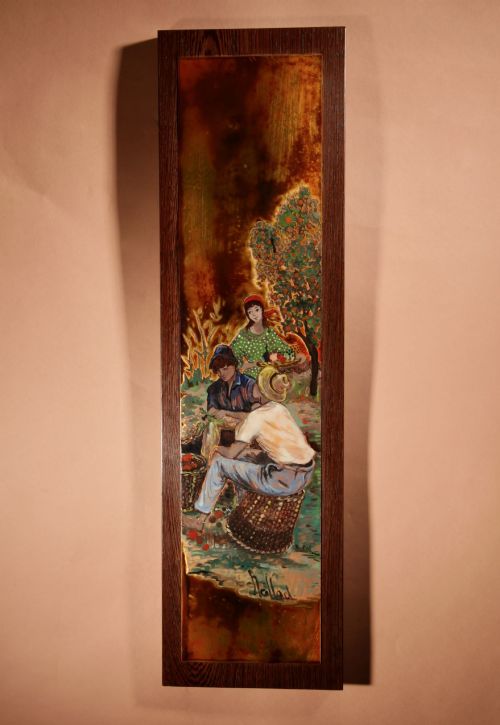
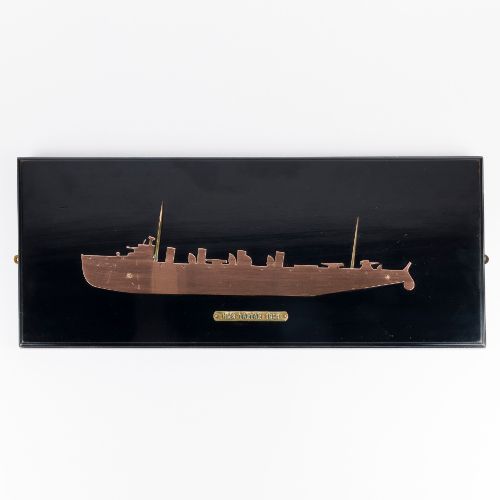
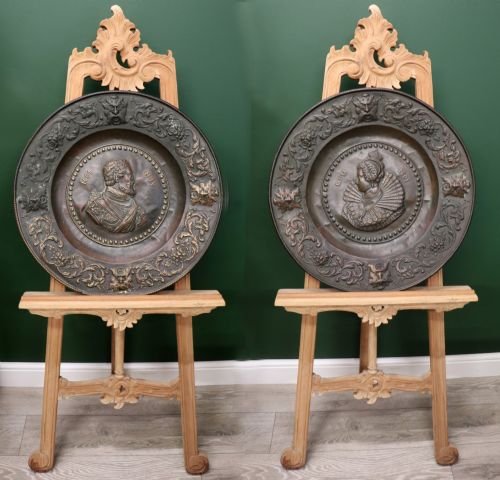
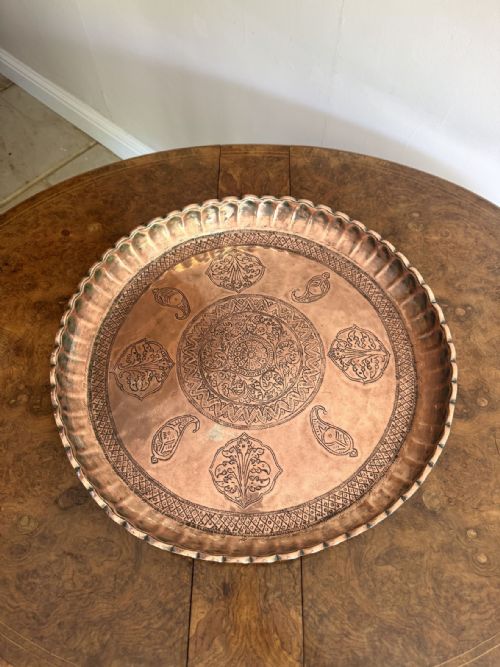
A copper wall plaque is a decorative metal panel, charger, or dish designed to be hung on a wall or displayed in an interior. The selection spans round chargers, rectangular relief panels, and armorial plates originating from Britain, Europe, Japan, and the Near East.
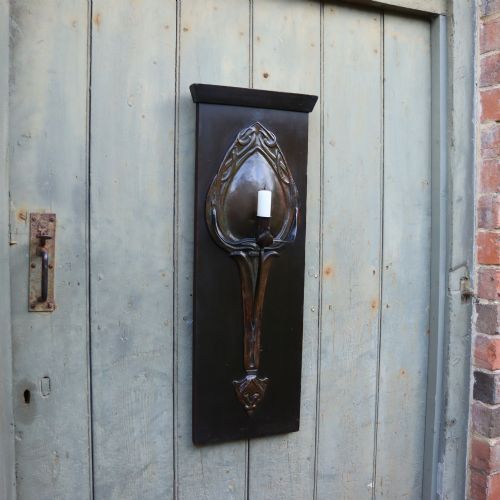
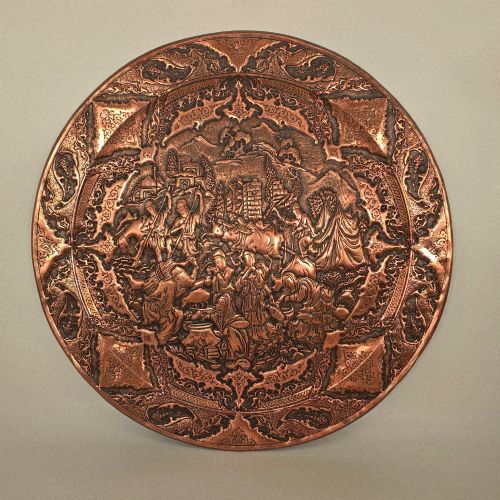
You will frequently encounter Arts and Crafts beaten copper panels, Japanese Meiji period cloisonné enamel trays, and Indian Raj period repoussé chargers alongside Victorian and Edwardian commemorative pieces.
What varies in quality
Quality rests on the crispness of the hand-worked detail, the depth and execution of the repoussé hammerwork, and the complexity of the design. Superior examples display controlled lines, secure enamel work free of major losses, and balanced proportions across the rim and centre.
Later mass-produced stampings lack the tactile individuality and precise hand-tooling found in workshop pieces produced during the nineteenth and early twentieth centuries.
Copper Wall Plaque Retail Price Guide 2026
Typical asking prices for copper wall plaque among the pieces listed under this phrase on Sellingantiques today, from the lower quarter to the upper quarter. They describe what is for sale here now, not the wider market.
Listings include items spanning the eighteenth, nineteenth, and early twentieth centuries, crossing British, European, Japanese, and Indian traditions.
Gustav Grohe·Faulkner Bronze Company·Samson
The Copper Wall Plaque Glossary
- Repoussé
- A metalworking technique where the design is hammered into relief from the reverse side. This method creates three-dimensional motifs and textures on the front surface of the metal.
- Cloisonné
- An enamel technique where thin metal wires are soldered to a base to form compartments filled with vitreous paste and fired. The resulting surface displays intricate coloured patterns separated by fine metallic lines.
- Charger
- A large decorative plate or dish intended for display on a sideboard or wall rather than for dining use. These pieces often feature elaborate pictorial or floral engraving.
- Cairo Ware
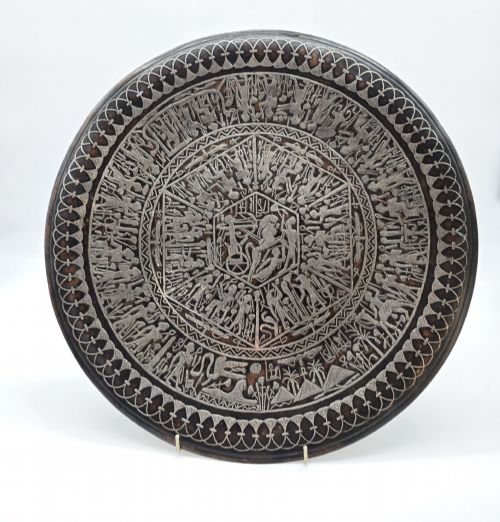
- Metalware produced in Egypt during the late nineteenth and early twentieth centuries, typically featuring brass or copper inlaid with silver and black composition. These items were collected heavily during the Grand Tour period.
- Meiji Period
- The era in Japanese history spanning from 1868 to 1912, known for exceptional metalwork, enamel precision, and export wares created for Western markets.
Copper Wall Plaque: Frequently Asked Questions
How do I hang a heavy copper charger safely?
Most large chargers and plaques require a secure picture wire attached to sturdy wall fixings or specialised spring-loaded wall hangers designed to grip the rim without damaging the metal.
Ensure the weight is distributed evenly across the hanging hardware and mounted directly into wall studs or proper masonry anchors.
How should I clean antique copper wall art?
Dust gently with a soft, dry cloth and avoid harsh chemical dips or abrasive metal polishes that strip away age-appropriate patination and protective finishes.
Enamelled and silver-plated surfaces require particular care to prevent scratching the delicate glass or thin plating layers.
What is the difference between an Arts and Crafts plaque and a Victorian piece?
Arts and Crafts copper plaques emphasise hand-beaten surfaces, stylised natural motifs like pomegranates, and visible hammer marks celebrating individual craftsmanship. Victorian pieces frequently lean towards academic relief portraits, historical revivals, and precise commemorative detailing.
Both styles often share the same foundational metalworking techniques but express distinctly different design philosophies.
Are Japanese Meiji pieces made of pure copper?
Japanese Meiji period items often utilise brass, bronze, and mixed-metal alloys as the foundation for cloisonné enamel and applied decorative elements rather than soft commercial copper. The metal body serves primarily as a stable canvas for the intricate wirework and vitreous enamels.
Examining the reverse and unglazed edges reveals the underlying metal composition.